
By Paul Effiong Abuja
House of Representatives has pledged its readiness to delibrate on a bill seeking to amend the Armed Forces Act, Cap. A20, Laws of the Federation of Nigeria, 2004 for the purpose of strengthening the structure along with operational efficiency across the country.
The bill titled “A Bill for an Act to Amend the Armed Forces Act, Cap. A20, Laws of the Federation of Nigeria, 2004; and for Related Matters,” was sponsored by Aminu Balele, Midala Usman and Daniel Asama.
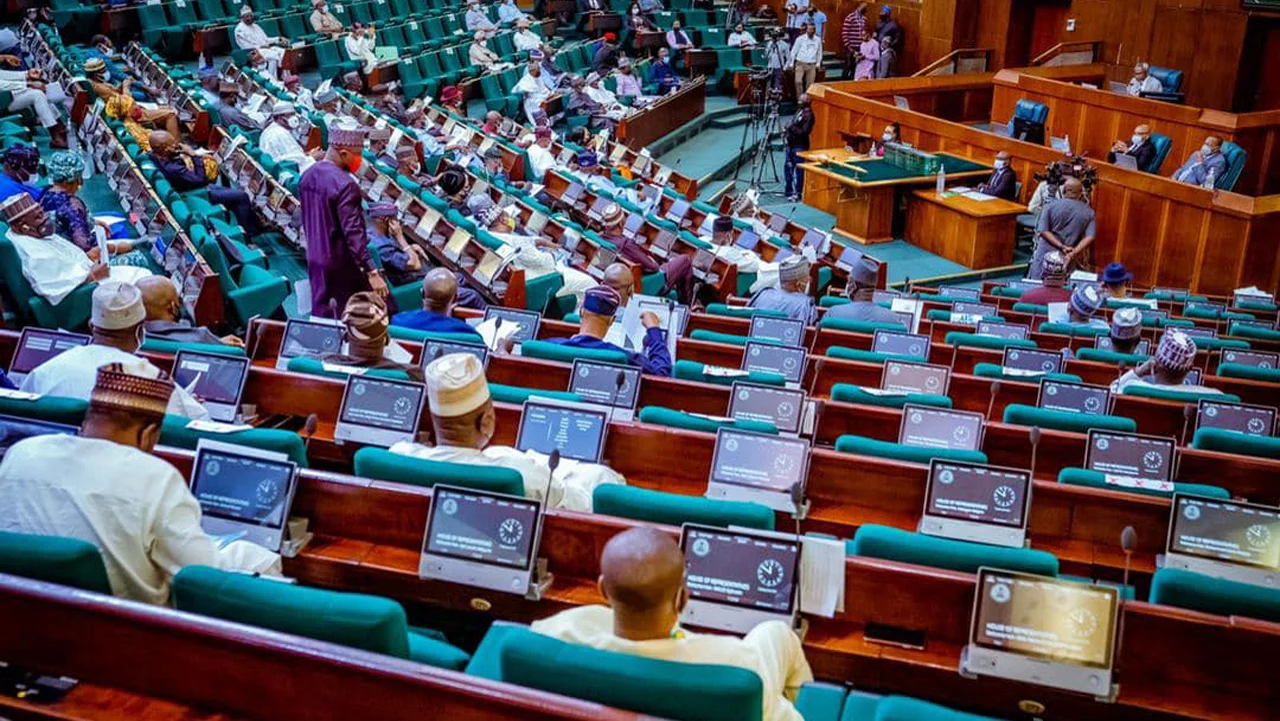
This was part of the resolutions reached by lawmakers yesterday in a motion moved during plenary by Usman
In his lead defence, Usman noted that the proposed legislation aims to “clarify the roles, responsibilities, and command structure of the Armed Forces of Nigeria to ensuring effective coordination, discipline, and operational efficiency.”
He reminded his colleagues that the bill was first read on Wednesday, October 15, emphasising that its passage is crucial to modernising Nigeria’s military laws in line with constitutional provisions and global best practices.
According to him, “The primary objectives of this Bill are to clarify the composition, command, and operational responsibilities of the Armed Forces; delineate the functions of the Forces Council, the Minister of Defence, and the Service Chiefs; reinforce the command authority of the Chief of Defence Staff and the Service Chiefs; and ensure effective civilian oversight while maintaining the constitutional command structure.”
Explaining the rationale behind the amendment, the lawmaker stated that the proposed changes will promote operational efficiency, constitutional compliance, civilian oversight, and enhanced accountability in the military.
“The proposed amendments will enhance the operational efficiency of the Armed Forces by clarifying roles and responsibilities,” he said. “It also ensures that the Armed Forces Act aligns with the Constitution of the Federal Republic of Nigeria, 1999, while maintaining the distinction between civilian and military roles.”
On the synopsis of the Bill, he expalined that proposed amendment seeks to reaffirm the President’s role as the Commander-in-Chief of the Armed Forces, with the Chief of Defence Staff exercising “general superintendence” over the military’s command and coordination.
“The Bill delineates the roles and responsibilities of the Forces Council, the Minister of Defence, and the Service Chiefs, while clarifying the delegation of operational use of the Armed Forces, ensuring that the President’s authority is maintained,” he explained.