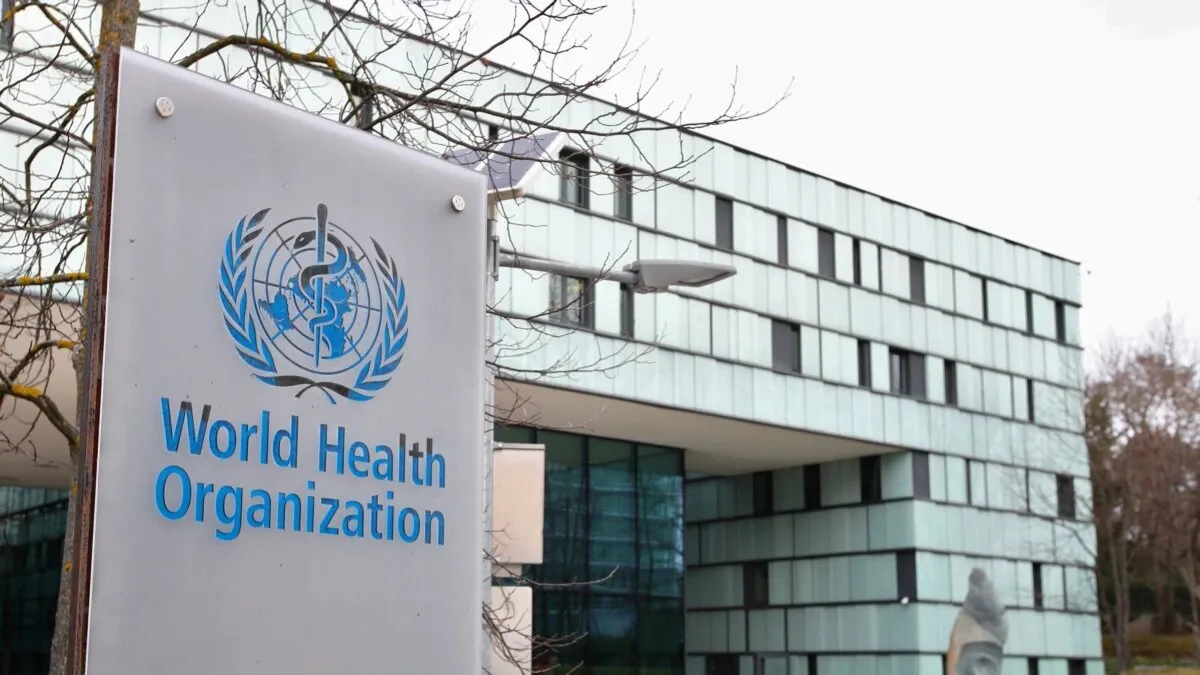
A fresh cholera outbreak in Sudan has claimed 120 lives and left 1,102 people with suspected infections since May, the World Health Organization (WHO) has disclosed, raising fresh concerns over the humanitarian situation in conflict-ridden parts of the country.
The latest outbreak is unfolding in areas severely affected by Sudan’s prolonged civil war, where access to healthcare and humanitarian assistance remains extremely limited.
More than three years of fighting between the Sudanese Armed Forces and the paramilitary Rapid Support Forces (RSF) have devastated the country’s health system, making it increasingly difficult to contain infectious diseases.
According to the WHO, this is the third cholera outbreak Sudan has experienced within the past three years, beginning barely two months after authorities declared the previous outbreak over in March.
Government records show that between July 2024 and March 2026, more than 124,400 cholera infections were recorded, with approximately 3,500 deaths.
Speaking to journalists on Wednesday, the WHO Representative in Sudan, Dr. Shible Sahbani, explained that cholera had previously appeared in predictable three-year cycles but said the ongoing conflict has dramatically altered that pattern.
Endemic to the northeast African nation, cholera previously occurred “in a cyclic manner every three years,” Sahbani noted.
However, he said the country is now witnessing almost continuous outbreaks because of insecurity, restricted humanitarian access and shortages of essential medical supplies.
Sudan is also approaching its annual rainy season, a period traditionally associated with a sharp rise in cholera cases as flooding contaminates water sources and restricts access to vulnerable communities.
Millions of people remain without reliable access to clean drinking water, increasing the risk of widespread transmission.
The Sudanese government officially declared the current outbreak earlier this week in West Kordofan State, an area located along the frontline separating territories controlled by the army and the RSF.
The WHO warned that the disease appears to be spreading beyond the initial outbreak zone following reports of nearly 300 suspected cases and three deaths in neighbouring North Kordofan State.
The development comes amid growing fears that the RSF is preparing a major ground offensive against El-Obeid, the capital of North Kordofan.
The United Nations has also raised concerns over repeated drone strikes targeting critical infrastructure in the city.
UN humanitarian chief Tom Fletcher warned on Tuesday that attacks on power facilities have severely disrupted access to electricity and clean water, further increasing the risk of disease outbreaks and potential mass atrocities.
Three years into the conflict, aid organisations estimate that more than 200,000 people may have lost their lives.
According to the WHO, the war has crippled Sudan’s healthcare sector, leaving many communities without access to essential medical services.
“Forty percent of health facilities are non-functional at all, and the remaining almost 60 percent are only partially functioning, meaning they are providing only a few services, or not enough to patients in the area,” Sahbani said.
Health authorities and humanitarian agencies continue to appeal for greater access to affected regions to prevent the outbreak from escalating further.