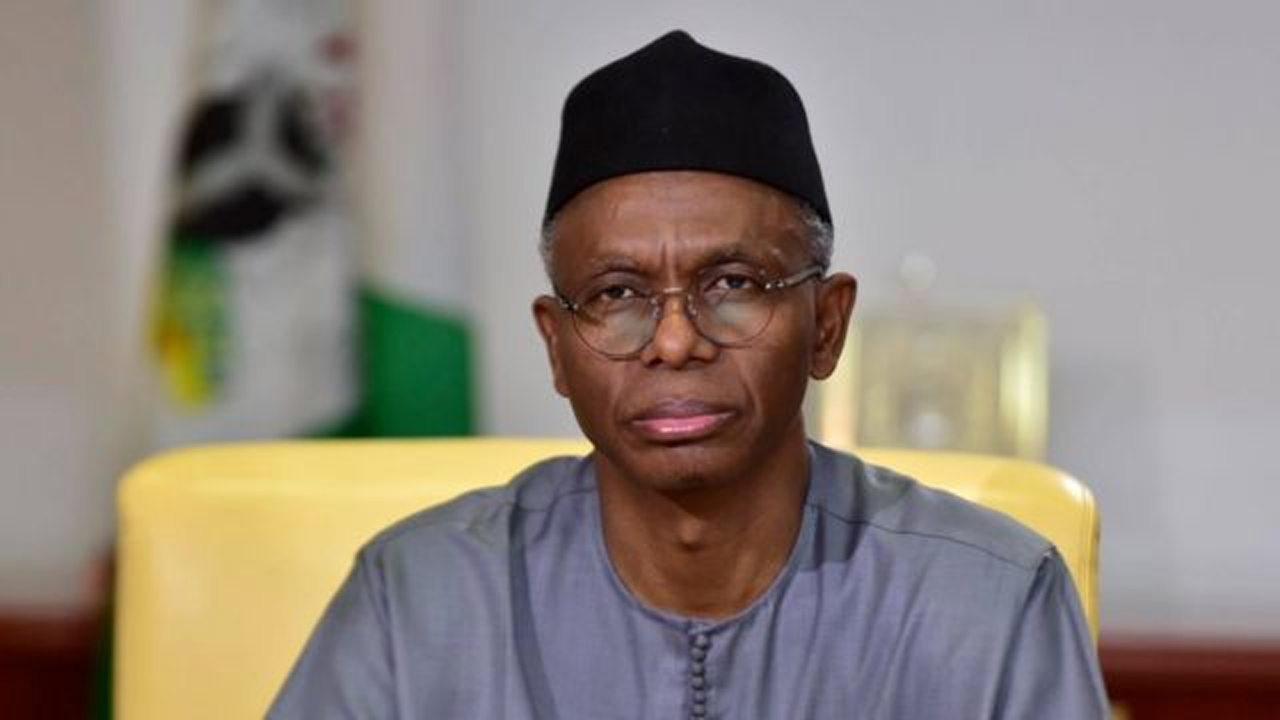
Former Kaduna State Governor, Nasir El-Rufai, appeared before the Federal High Court in Kaduna on Monday for the continuation of proceedings in his ongoing corruption case.
El-Rufai arrived at the court premises at approximately 9:30 a.m. under the escort of officials from the Independent Corrupt Practices and Other Related Offences Commission (ICPC), alongside personnel of the Department of State Services (DSS) and the Nigeria Police Force.
The former governor is facing charges filed by the ICPC bordering on alleged abuse of office, fraud, and financial impropriety linked to his period in office as governor of Kaduna State.
According to the prosecution, public funds were allegedly disbursed for projects that were either not carried out or were managed in a manner that violated established procedures. The anti-corruption agency maintains that the transactions under investigation raise serious concerns regarding the handling of government resources during the administration.
El-Rufai, however, has consistently rejected the allegations and insists that he committed no wrongdoing while serving as governor.
At the current hearing, the court is expected to entertain additional motions and legal submissions from both the prosecution and defence teams as the trial advances.
Records from the case show that on April 14, 2026, Justice Rilwan Aikawa granted the former governor bail in the sum of ₦200 million. The bail conditions required him to provide two sureties, including a serving or retired civil servant not below Grade Level 15 and a recognised traditional ruler.
Although El-Rufai’s legal team later sought a review of the bail requirements, a separate Kaduna State High Court presided over by Justice Darius Khobo had previously declined several bail applications. The court cited concerns that the former governor’s influence could potentially affect ongoing investigations into the corruption allegations being pursued by the ICPC.
The matter remains before the court as both parties continue to present their arguments.