Israel and Iran exchanged fresh attacks on Monday, placing a fragile ceasefire under severe strain and raising concerns about the prospects of a broader peace agreement in the Middle East.
The latest escalation came despite calls for restraint from Donald Trump, who reportedly urged Israeli Prime Minister Benjamin Netanyahu not to retaliate against recent Iranian missile launches. Reports indicate that Trump sought to prevent further escalation in order to preserve ongoing diplomatic efforts between Washington and Tehran.
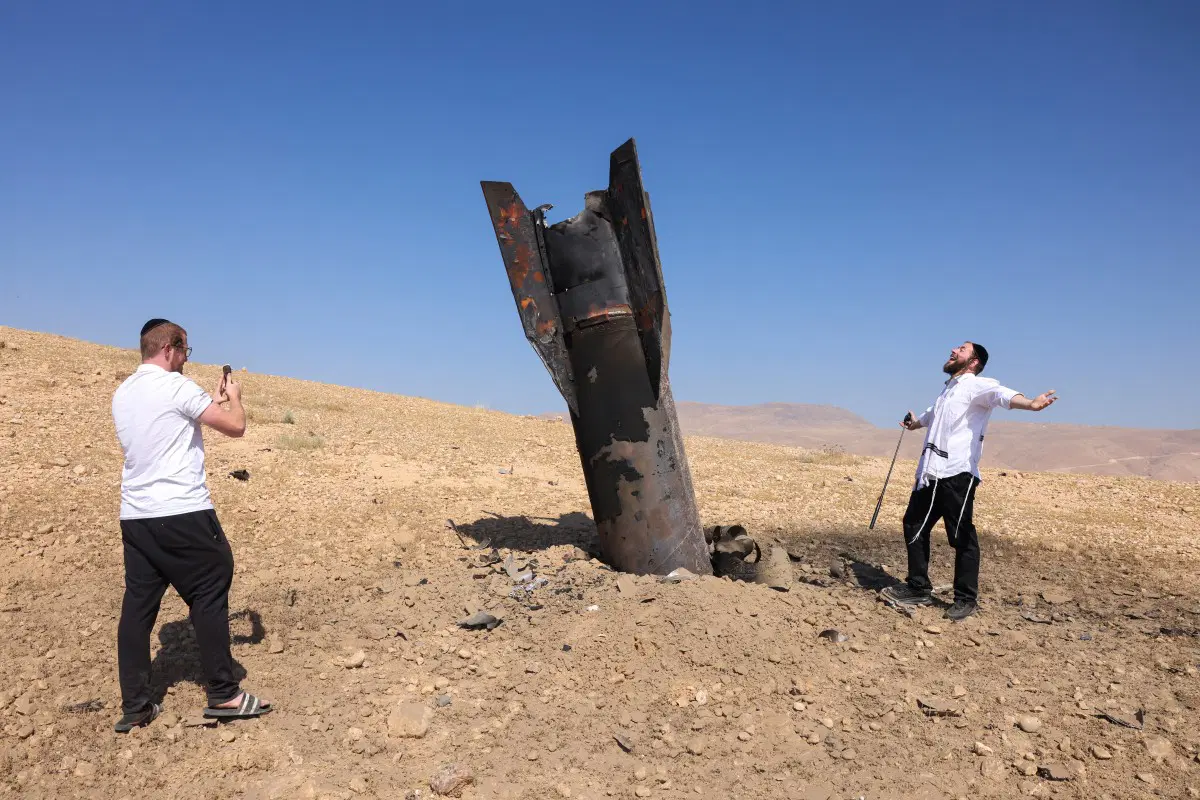
According to reports, Israeli forces carried out strikes on targets in western and central Iran, including a petrochemical facility in Mahshahr, while Iranian missiles were launched toward Israel in response. Israeli air defense systems were activated to intercept incoming projectiles, and explosions were reported in several areas.
The renewed hostilities followed Iran’s missile attack on Sunday, which Tehran described as retaliation for Israeli strikes in Lebanon. Israeli authorities accused Iran of making a “grave mistake,” while Iran maintained that its actions were a response to continued Israeli military operations in the region.
Trump reportedly emphasized that both sides had already exchanged blows and should avoid further military action.
“I am going to call Bibi right now and tell him not to retaliate,” Trump reportedly said, according to media reports. He also urged Iran to return to negotiations, arguing that continued attacks would only complicate efforts to reach a broader agreement.
Despite these appeals, the exchange of strikes continued, casting doubt on efforts to maintain the ceasefire and advance diplomatic negotiations.
Iran has repeatedly stated that any lasting agreement must also address the conflict in Lebanon, where Israel has continued operations against Hezbollah. The latest cycle of violence was triggered in part by Israeli strikes in Beirut’s southern suburbs and subsequent retaliatory attacks by Hezbollah and Iran-backed groups.
Meanwhile, Israel also reported intercepting a missile launched from Yemen by Iran-aligned Houthi forces, highlighting the growing regional dimension of the conflict.
Iranian officials warned that any further attacks could prompt broader retaliation against Israeli and U.S. interests in the region.
The renewed confrontation has rattled global markets, with oil prices rising sharply amid fears that instability could further disrupt energy supplies and maritime traffic in the region. Analysts have pointed to concerns surrounding the strategically important Strait of Hormuz, a key route for global oil shipments.