By Paul Effiong, Abuja
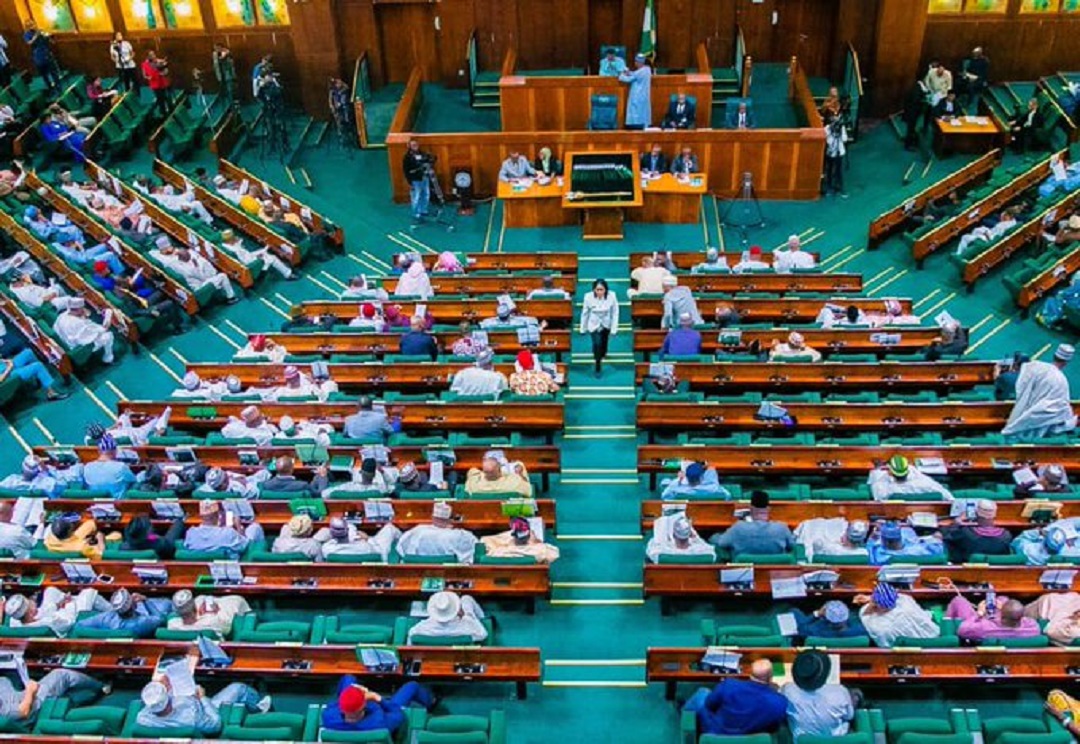
The House of Representatives’ Ad-hoc Committee on the Implementation and Oversight of the Naira-for-Crude-Oil Policy yesterday demanded that the Economic and Financial Crimes Commission, EFCC, provide comprehensive details on crude oil seizures, sales, and disposal under its watch.
Chairman of the committee, Emerengwa Boniface Sunday, gave the directive during the resumption of the investigative hearing on the Naira-for-Crude-Oil policy with stakeholders in Abuja on Wednesday.
The Naira-for-Crude policy, launched in 2024 aims to stabilize the naira, support local refineries, and reduce pressure on foreign currency reserves.
During the hearing, Special Adviser to the EFCC Chairman on Regulatory Compliance,
Francis Usani, explained that the Commission’s submissions to the committee were limited to information on referrals made to it from 2003 to date, including crude oil seizures handled by the EFCC.
He admitted that no direct investigations had been conducted by the anti-graft agency specifically under the Naira-for-Crude policy.
He said: “The objective or the main crux of this invitation was investigations done under the Naira-for-crude policy of the Federal Republic of Nigeria that took effect, or was initiated sometime in 2024, but took effect this year.
“We have not had any direct investigation or issue involving specifically Naira for crude policy or obstructions or infractions under that particular initiative.
“But because we also received information on referrals made to the Economic and Financial Crimes Commission, we had tabulated some transactions which the EFCC had done and contained in the document forwarded to you. We did a kind of holistic submission, not necessarily restricting ourselves to transactions which I had said earlier”
.
But the committee members challenged the EFCC on the completeness of its submissions.
Hon Muhammed Bello Shehu noted that tabular documents provided by the Commission contained blank entries for the volume and grade of crude seized.
He also questioned why the EFCC had not proactively investigated the Naira-for-Crude transactions, stressing that the policy was meant to ease pressure on local refineries and the naira.
The lawmaker said: “In the tabular document you submitted, including the evidence of payment attached, we need clarity on how you arrived at the amounts remitted to the EFCC. In the same table, the column for the volume and grade of crude seized shows ‘nil, nil’. Yet there should be a section that states the value of whatever was seized.