By Yahaya Umar, Abuja
Inflation rate dropped to 20.12% in August, according to the latest Consumer Price Index, CPI, report released by the National Bureau of Statistics, NBS, yesterday, signifying 5th consecutive drop.
The latest figure represents 1.76% downward movement from 21.88% recorded in July 2025 on a month-on-month basis and marks a sharp reversal from the 32.15% inflation level seen in August 2024.
According to the report “The Consumer Price Index rose to 126.8 in August 2025, reflecting a 0.9-point increase from 125.9 recorded in July”.
Urban areas experienced reduction with year-on-year inflation falling to 19.75% compared to 34.58% in August 2024. Rural inflation, while slightly higher, eased to 20.28%, down from 29.95% last year.
Inflation in cities slowed to 0.49% from 1.86% on a monthly basis, in July, while rural areas recorded 1.38%, reflecting persistent supply chain and transportation challenges that continue to push up rural prices.
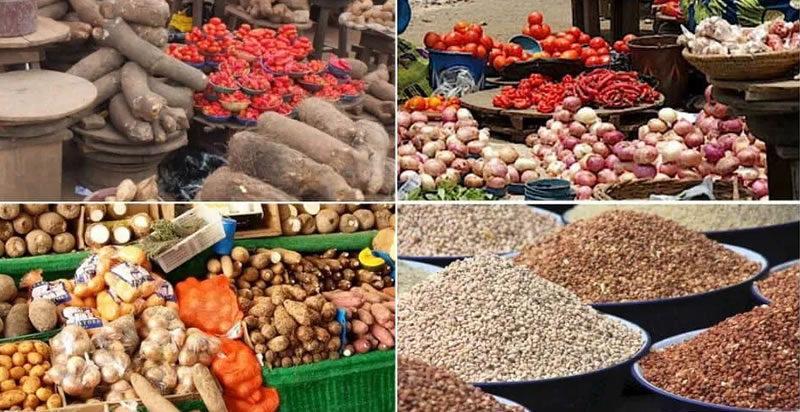
The CPI further revealed that food prices, which make up the largest share of Nigeria’s inflation basket also showed relief. Food inflation declined to 21.87% year-on-year, down from a staggering 37.52% a year ago.
Month-on-month food inflation slowed to 1.65% , compared to 3.12% in July, driven by falling prices of key staples such as rice, maize flour, millet, semolina, guinea corn flour, and soya milk.
The NBS cautioned that food costs remain high, especially in northern states where insecurity, poor infrastructure, and logistics bottlenecks continue to disrupt supplies.
Core inflation , which excludes volatile agricultural products and energy was recorded at 20.33% year-on-year, lower than the 27.58% recorded in August 2024.
However, on a monthly basis, it rose to 1.43% from 0.97% , driven by higher costs in housing, utilities, transportation, education, and healthcare , a signal that structural price pressures remain.
Highest headline inflation: Ekiti , 28.17%; Kano ,27.27%, and Oyo ,26.58%.
Lowest headline inflation: Zamfara ,11.82%; Anambra ,14.16%; and Enugu ,14.20%.
Food inflation was highest in Borno ,36.67%; Kano ,30.44%; and Akwa Ibom ,29.85%; while Zamfara ,3.30%; Yobe ,3.60%; and Sokoto ,6.34%; recorded the lowest levels.
Month-on-month, inflation rose fastest in Yobe ,9.20%; Katsina ,8.59%; and Sokoto ,6.57%; but actually declined in Enugu ,-5.32%; Taraba ,-3.64%; and Nasarawa ,-3.56%.
The NBS report comes just weeks before the Central Bank of Nigeria’s Monetary Policy Committee ,MPC, meeting scheduled for September 22–23.
AljazirahNigeria reports that the latest CPI came amid falling food prices.