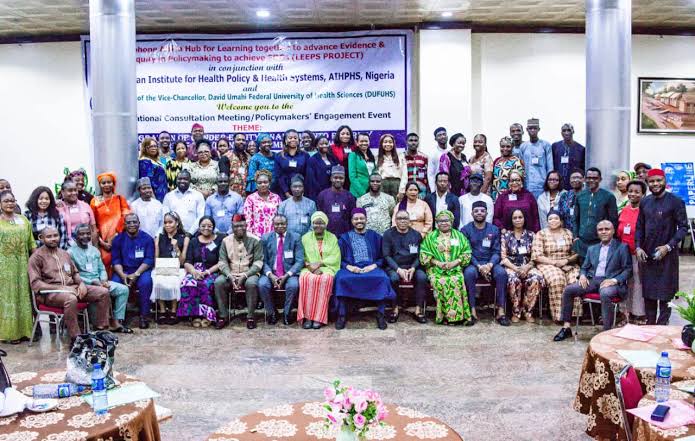
Stakeholders from critical sectors of the economy, including ministries, agencies, gender equality experts and NGOs have brainstormed on integrating gender equality into priority policy areas for the overall development of the country.
At the fourth National Consultation Meeting/Policymakers Engagement programme held in Abuja, a gender expert from Makerere University Uganda, Dr Anna Ninsiima, emphasized that gender equality is critical in achieving development and sustainable development goals.
She noted that UNDP recognises that sustainable human development will not be fully achieved unless women, men, boys and girls can contribute to their societies on an equal basis.
She highlighted the impact of gender inequality on females, including low self-esteem, low level of aspiration, dependency, low level of education and inability to exploit one’s potential.
Regarding masculinity, Dr Ninsiima stated that when men resist gender equality, they prefer to maintain the status quo, which is not only dangerous to women’s well-beingz but also detrimental to men, leading to more sexual partners, stress, poor health-seeking behavior, violence and death.
Speaking at the event, the Vice Chancellor of David Umahi Federal University of Health Sciences, Uburu Ebonyi State and Founder of the African Institute for Health Policy and Health Systems Nigeria, Professor Jesse Uneke, in his lecture on “Gender Mainstreaming and Equality Analysis in Priority Policy Areas for the Development of the Policy Brief,” explained that gender analysis is the study of differences in assigned gender roles, conditions, needs, participation rates, access to resources and development.
Professor Uneke emphasized that gender analysis is critical not only at the onset of policy design, but also throughout the policy-making and implementation process.
On gender-responsive policy, he noted that it takes into account women and men’s interests and needs, making it an inclusive policy that considers the unique needs of sub-groups within the dominant framework of gender.
He also explained that institutionalising gender mainstreaming means integrating a gender equality perspective at all stages and levels of policies, programmes and projects.
The vice chancellor highlighted the aim of gender mainstreaming, including institutionalising gender equality and mainstreaming gender-sensitive practices and policies, and solving hidden gender inequalities.
He emphasised that integrating gender and equality in the policy-making process includes problem identification, policy design, policy adoption, policy implementation and oversight.
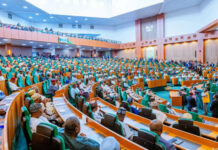
In an interview after the event, participants, including Mrs Rosemary Nduoma from the National Assembly and Ernest Agwu from the National Health Insurance Authority, expressed satisfaction with the workshop, describing it as timely, educative, informative and strategic.
The event featured group work that focused on the priority areas of various participating ministries and the National Assembly as follows: National Assembly (educational reforms, restructuring to regional system of government); Federal Ministry of Power (clean energy technology, metering); Federal Ministry of Health and Social Welfare (increase utilisation of primary health care services, increase routine immunisation coverage, out of stock of drugs and vaccines); Federal Ministry of Environment (workforce development, health emergency preparedness, clean air initiative).
The event was organized by the LEEPS Project in conjunction with the African Institute for Health Policy and Health Systems Nigeria and African Institute for Development Policy, AFIDEP, Kenya, with support from the International Development Research Centre, IDRC, of Canada.