

By Blessing Otobong-Gabriel
Africa Centre for Disease Control and Prevention, Africa CDC, has reported a significant drop in mpox cases across the continent, marking a 58 percent decline between epidemiological weeks 19 and 30 of 2025.
Africa CDC, however, raised concern over new outbreaks in Gambia, Cameroon and Mozambique, calling for sustained vigilance.
Speaking during the agency’s weekly webinar briefing yesterday, its Director-General, Dr Jean Kaseya, credited the progress to stronger national leadership, enhanced community engagement and improved health systems, supported by Africa CDC and its partners.
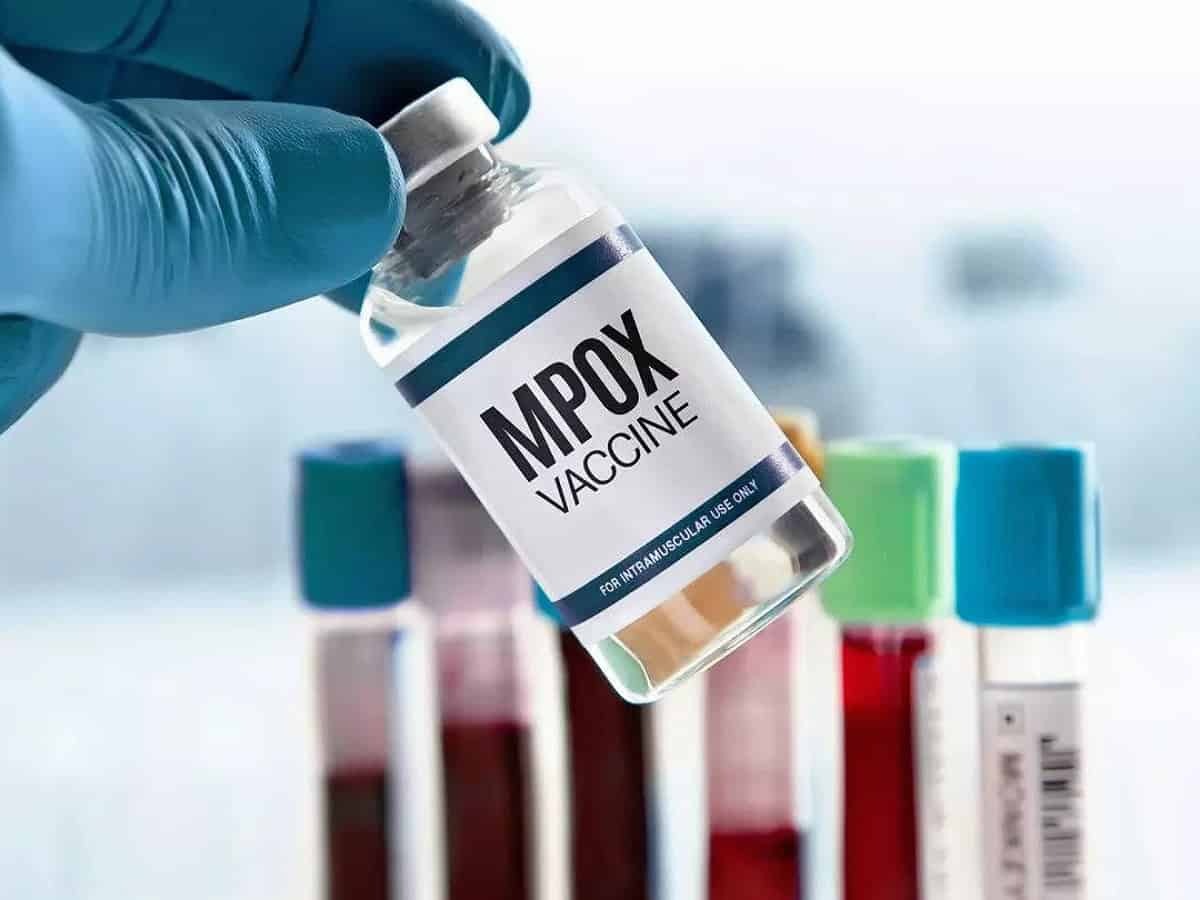
He noted that more than 3.1 million mpox vaccine doses had been distributed across 12 African countries, with more than 886,000 people vaccinated so far.
He said the Democratic Republic of Congo, DRC, alone accounted for 69 percent of those vaccinated.
In spite of the positive trend, Kaseya warned of emerging risks, particularly the detection of multiple mpox clades, including the high-risk Clade IIb, in Kinshasa.
He emphasised the need for intensified surveillance and targeted vaccination campaigns, especially among vulnerable populations.
On cholera, Kaseya said outbreaks had now spread to 23 African Union member states, with new cases confirmed in Chad and the Republic of Congo.
He said DRC and South Sudan remain the most affected, although there is a slow decline in both cases and deaths.
Kaseya identified poor Water, Sanitation and Hygiene, WASH, infrastructure as a key driver of the disease and called for coordinated and multisectoral action to curb its spread.
He said Africa CDC, in collaboration with the World Health Organisation, WHO, and other partners, is expanding its Incident Management Support Team’s role to include cholera response efforts.
According to him, this expanded initiative will operate under the leadership of the Zambian presidency.
Kaseya urged member states to bolster community-led surveillance, prioritise vaccinations in high-risk areas and enhance integrated case management, particularly for patients with co-morbid conditions.
Cholera is a bacterial infection spread through contaminated food and water, especially in areas with poor sanitation.
It can be fatal if not treated quickly, but is preventable through access to clean water, good hygiene practices and oral vaccines.
Mpox, formerly known as monkeypox, is a viral disease resembling smallpox, causing fever, rash and swollen lymph nodes.
It spreads through close physical contact and contaminated materials, but can be prevented through early detection, vaccination and hygiene measures.