By Paul Effiong, Abuja
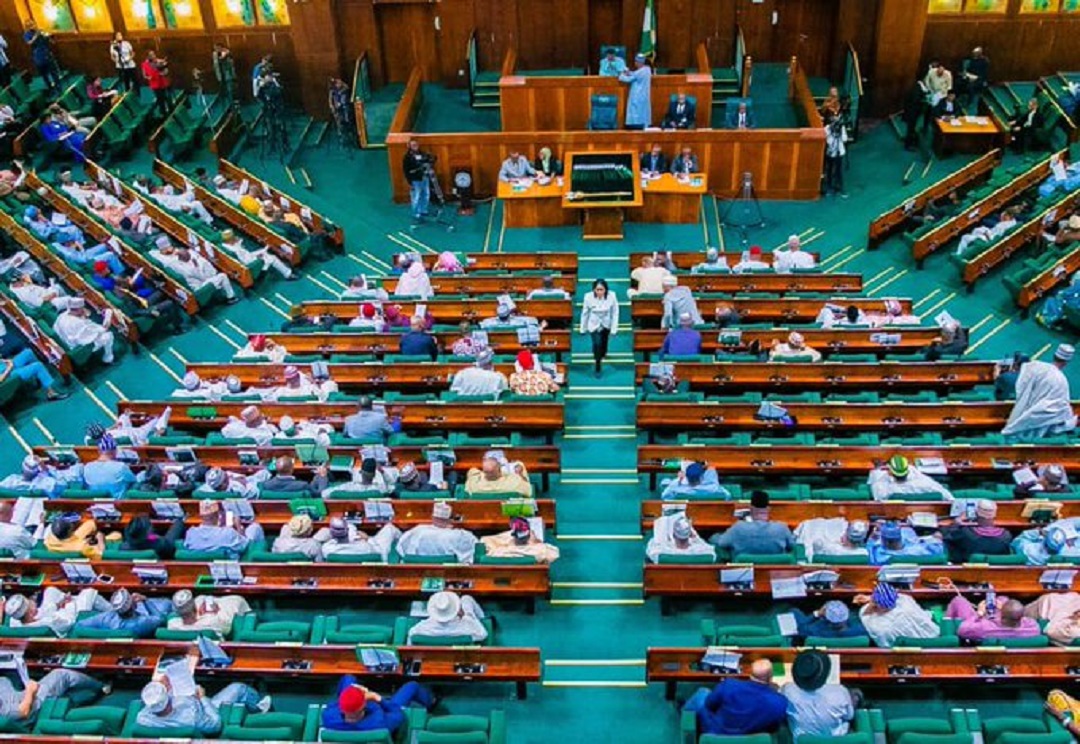
House of Representatives Committee on the Federal Capital Territory, FCT, Judiciary has declared its commitment to ensure swift and affordable justice to residents.
Chairman of the committee, Adamu Gamawa stated this on Wednesday during a public hearing organised by the committee at the National Assembly Complex, Abuja.
Gamawa explained that out of the two Bills, the first is seeking to amend the constitution to increase the number of judges in the FCT, while the other proposes a legislation for the establishment of lower courts with jurisdiction over civil and criminal matters.
According to the lawmaker, these are some of the measures put in place by his committee not just to speed up judicial processes, but also ease the burden on the existing courts.
He explained: “The vision of Speaker Tajudeen Abbas is to ensure access to justice for all and sundry, so that no one will have any reason to take the law into their hands.”
The chairman emphasised that a functional judiciary is the bedrock of public trust, while calling on key stakeholders to contribute to the shaping of the bills into robust legal instruments.
“This public hearing provides the opportunity to cross-fertilize ideas and ensure that we achieve the best outcomes, adding that the ultimate goal is a simpler, faster and more effective justice system for all FCT residents,” the chairman said.
In his address, Speaker Abbas, who was represented by the Deputy Minority Leader, Aliyu Madaki, described the hearing as “critical to the broader judicial reforms urgently needed in the country.”
He also reaffirmed the House unwavering commitment to uphold the rule of law and ensure fair justice delivery.
In a significant endorsement, President of the Nigerian Bar Association, NBA, Mazi Afam Osigwe (SAN) threw the weight of the association behind the two bills, but urged lawmakers to review customary law provisions, specifically calling for the removal of Section 16 of the Principal Act.
His position added momentum to what is shaping up to be one of the most consequential judicial reforms in the FCT in recent years.