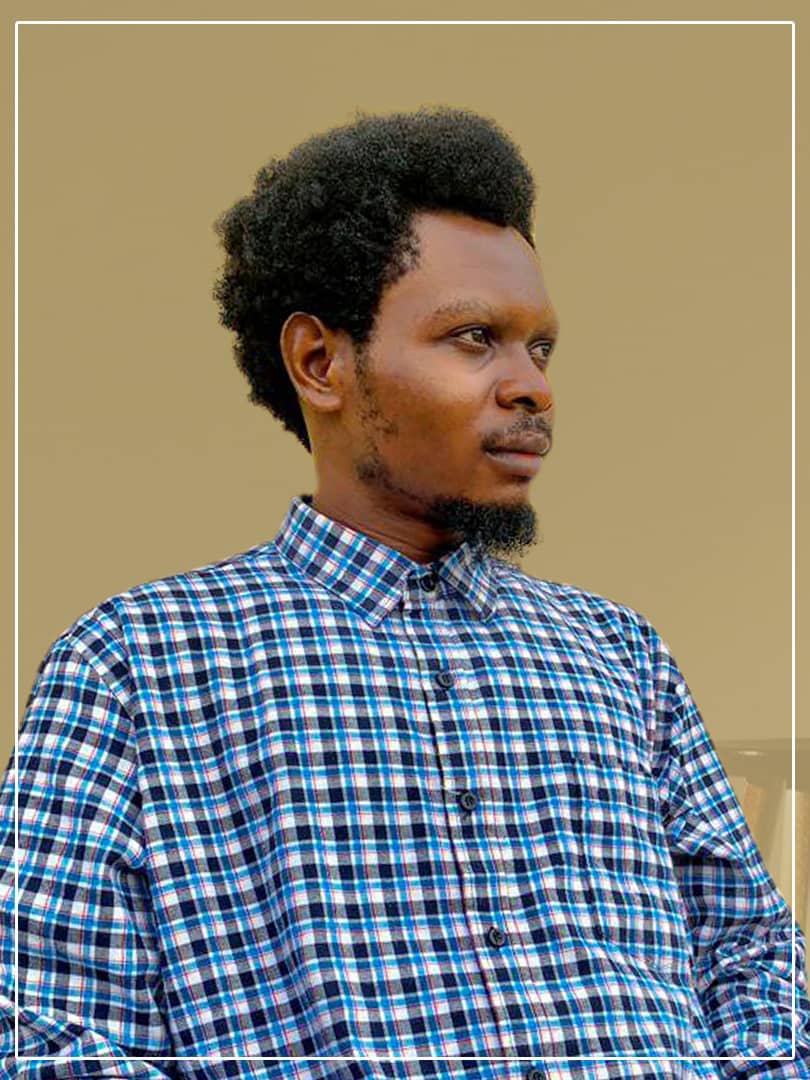
Idegu Ojonugwa Shadrach is a Nigerian author, activist and journalist. He is the Kogi State Coordinator of Fix Nigeria Group. In this interview he speaks on the state of nation.
How would you rate President Bola Tinubu’s administration so far?
Yes. I can’t boldly say anything about the government at the moment, because, I perceive something is happening elsewhere. It is taking too long to understand the approaches put in place by the administration. Therefore, I urge President Tinubu to highlight his economic policies and design approaches to curb the current hardship that has enveloped the nation. I plead with him to caution his special advisers on how to respond to constructive criticism from Nigerians, as this is one of the things that have plunged the administration into problems.
So, his media team must be friendly. I have seen that the promises made are not fully represented at the moment.
What advice do you have for the Tinubu administration to overcome these challenges?
Tinubu must hasten to address the challenges confronting the nation. A lot of Nigerians are currently suffering. So, he must address human infrastructure before other things. Note, if Nigerians should die of hunger, who are those left to be governed? I would love if the president can address the people’s plight. This would help a lot. I urge this government to listen to our intellectuals by reading newspapers and watching television programmes where economic issues are discussed.
Do you think the planned protest by youths is wise and timely?
The planned protest is not bad if managed well. I do know that our youths are frontiers of the planned protest and they should be allowed to exercise their rights peacefully. They must deviate from any form of illegalities before, during and after the planned protest. Tinubu’s administration should positively respond to the issues presented. The hunger and the suffering is too much. So, the only way to voice our anger and pain is a peaceful protest that can give heat to the incumbent government since citizens have not seen any tangible approach to eradicate this suffering.
Efforts made by our intellectuals are not put to practice.
What advice do you have for Nigerian politicians?
I think this is a very good time for our leaders to come together irrespective of political parties, tribe and religion – to proffer solutions on how to improve the economy. Building a nation demands collective efforts. We must hold conferences, workshops and seminars on how to tackle this issue on time. This is not a time for our political leaders to fight one another. There must be connectivity so as to save the nation. The Senate needs constitutional defenders and the judiciary constitutional clarifiers.
What advice do you have for Nigerians in this hardship?
The only thing I can tell Nigerians is to be their brothers keeper. Sincerely, if common citizens can help one another, the suffering will reduce. Even in the middle of these sufferings, others are doing well. So, if those people can help others who don’t have anything around them, it would help a lot. The federal government cannot oversee everything going on with common citizens.
In some occasions, some of the palliatives and grants spearheaded for poor citizens are highjacked by well-meaning or middle class citizens. Again, the manner in which traders increase prices of goods at the moment is not in tandem to how manufacturers sell to them.
What are your plans for Nigeria?
My plans for Nigeria at the moment is rights advocacy. There is a lot of oppression from political leaders. This is one of the reasons I must continue to advocate for good governance. I have written a lot of articles on how to manage government for benefit of poor citizens. So, I would continue in that regard. Hopefully, I would make myself available for peaceful and constructive protests, conferences and workshops to discuss the way forward for Nigeria. Most importantly, I would never cease from advocating for youth inclusion in Nigeria’s political corridor.