…Unveil ‘Workers’ Charter of Demand’
By Joel Ajayi
In a bid to strengthen labour laws and safeguard Nigerian workers from job losses amid the country’s transition to a low-carbon economy, stakeholders have called for equitable policies that protect employment and workers’ rights.
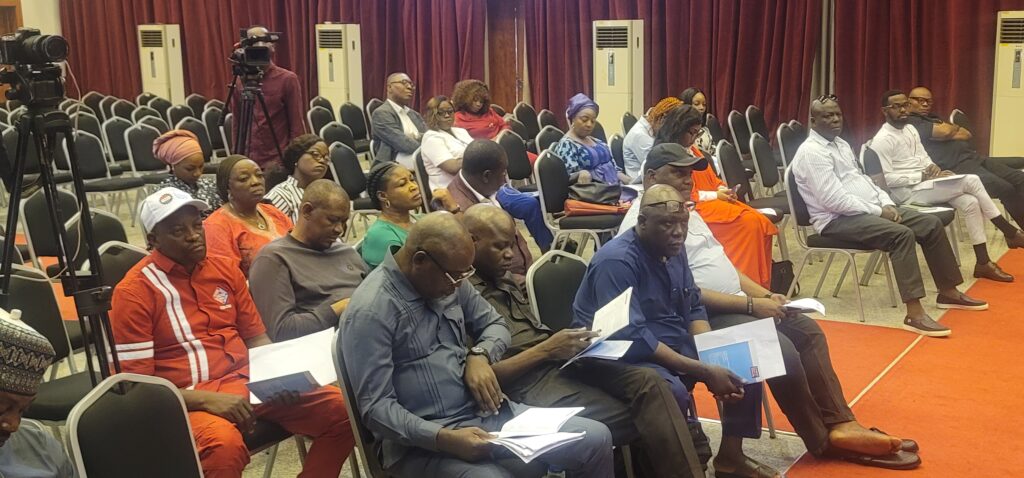
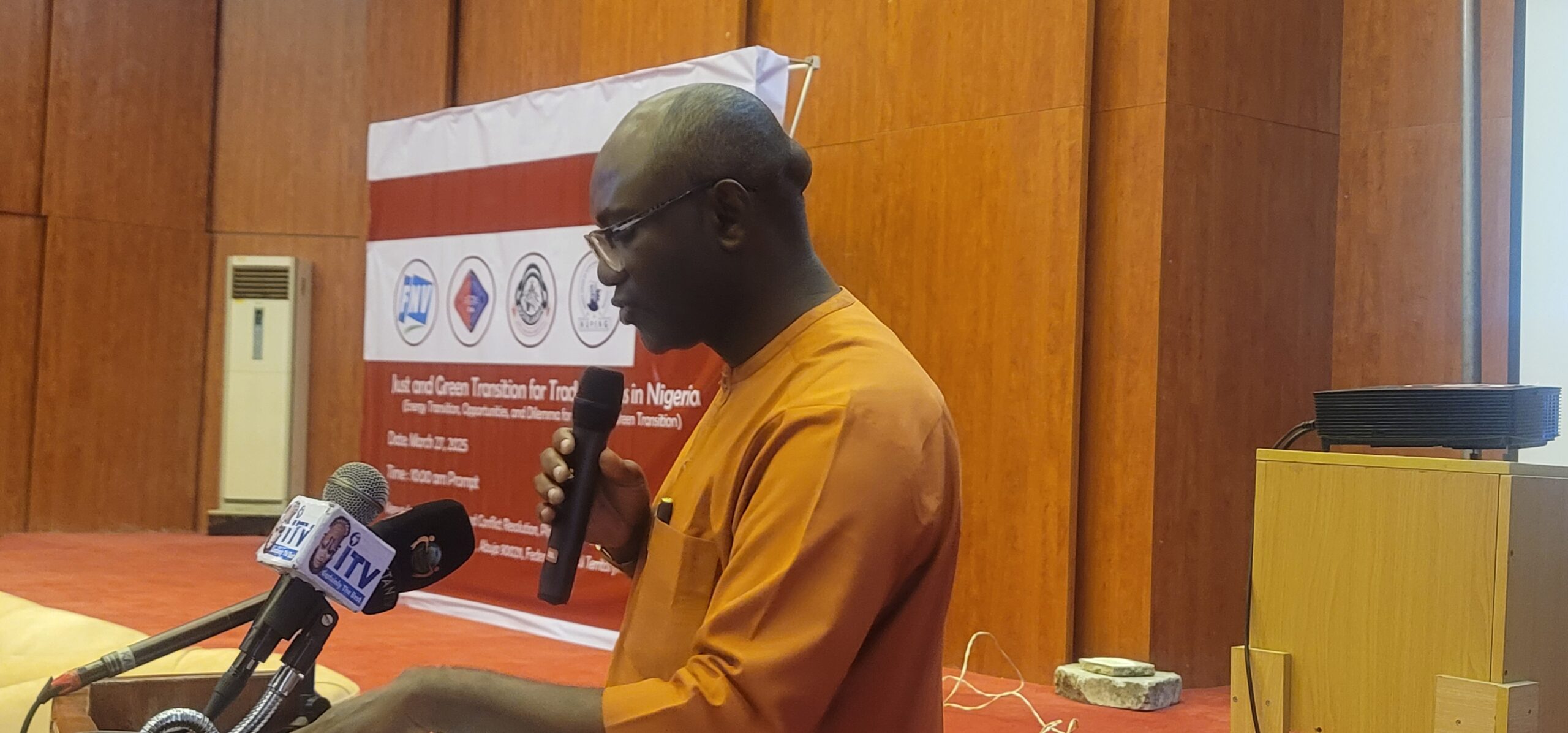
The call was made at the public presentation of the Workers’ Charter of Demand and Stakeholders’ Engagement held on Thursday in Abuja.
The event, organized by the Institute for Peace and Conflict Resolution (IPCR) in collaboration with Friedrich-Ebert-Stiftung (FES) Nigeria, also marked the launch of the Justice Department Transition Project, aimed at ensuring a just and sustainable shift to renewable energy.
In his remarks, Lennart Oestergaard, Resident Representative of Friedrich-Ebert-Stiftung FES Nigeria, emphasized the need for stronger collaboration between trade unions, the private sector, and the government to develop policies that protect jobs and equip workers for employment in the renewable energy sector.
“As Nigeria moves towards cleaner energy sources, we must ensure that workers are not displaced or exploited,” he stated. “A just transition means that no one is left behind. This requires deliberate policies that promote job security, social dialogue, and economic fairness.”
Presenting the Workers’ Charter of Demand, Tunde Selman, Researcher and Team Lead at GGT-Nigeria, outlined key labour concerns in Nigeria’s evolving energy landscape.
“The charter is a call to action, advocating for fair labour practices and worker protections,” Selman said.
Some of the key demands highlighted in the charter include: Job Security: Preventing mass redundancies in the energy sector.
Social Protection Measures to Ensuring access to pension schemes and health insurance for workers transitioning from fossil fuel jobs; Fair Wages and Improved Working Conditions to Address labour rights in both traditional and renewable energy sector.
Also, Equipping workers with skills in clean energy technologies, Stronger Labor Union Involvement: Ensuring labor unions play a role in policymaking related to energy transition amongst other.
In her goodwill message, Executive Secretary of the Renewable Energy Association of Nigeria (REAN), Dr. Tosin Akande, thumbed FES and its partners for their advocacy efforts in protecting labor rights during the energy transition.
However, She stressed the need for stronger policies to prevent unemployment and low wages. “Without strong policies, many workers could face job losses or poor working conditions,” Dr. Akande warned.
Meanwhile, the event also featured a panel discussion on “Just and Clean Transition for Trade Unions in Nigeria,” where experts examined challenges and opportunities in the energy transition. Discussions focused on: Expanding the renewable energy sector while protecting workers’ rights; The role of government and private sector investment in job creation and Vocational training for green economy jobs.
Stakeholders therefore reaffirmed their commitment to advocating for policies that ensure a fair transition for Nigerian workers, ensuring that no one is left behind as the country moves toward a greener future.