Joel Ajayi
A Nigerian academic is making promising strides in global nutrition research, bringing hope for improved dietary care for elderly patients with high cholesterol.
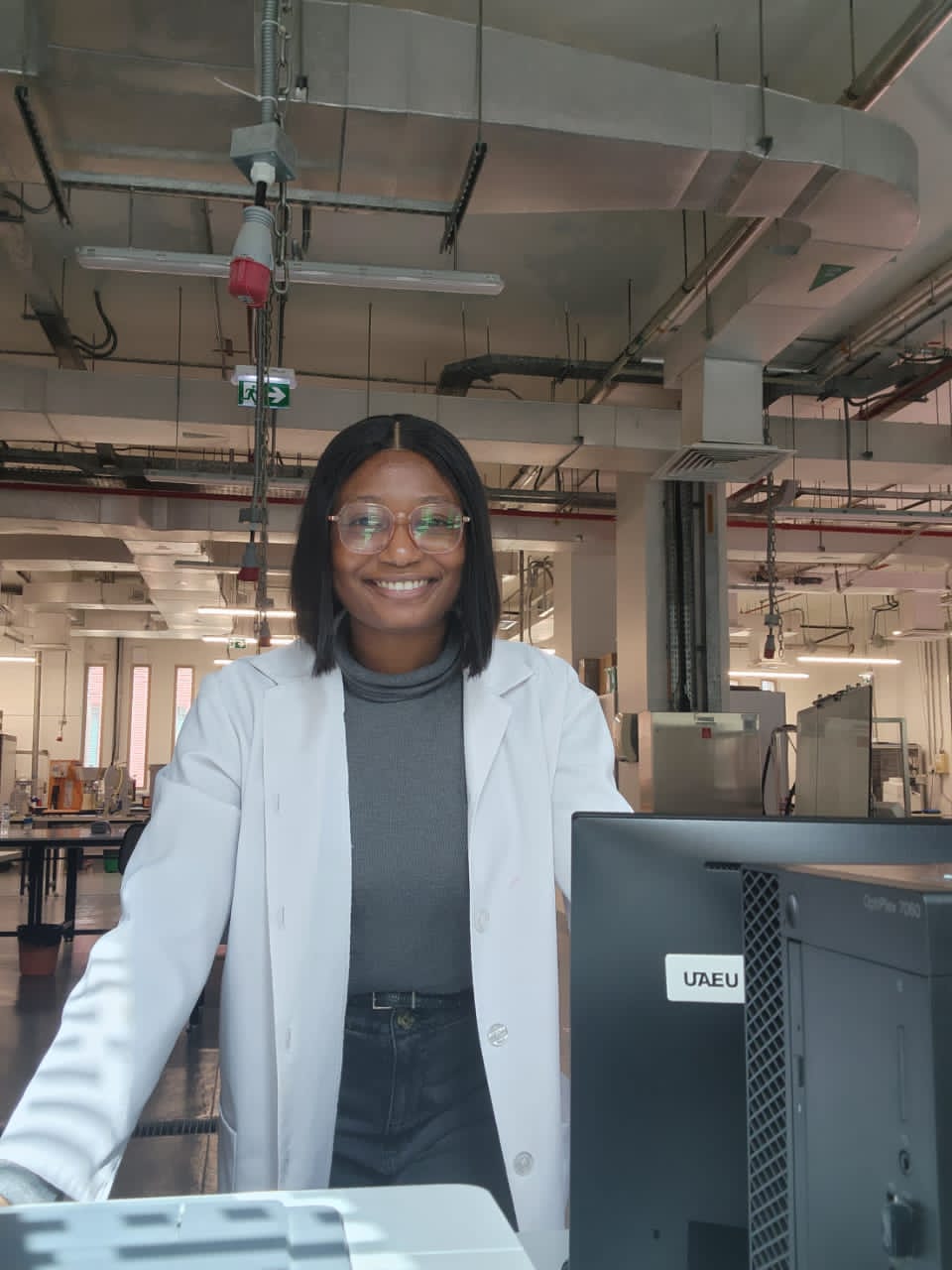
Feyisola Fisayo Ajayi, a lecturer at the Federal University Gashua in Yobe State and a PhD student at the United Arab Emirates University (UAEU), recently completed a research visit to the Department of Food Science at Purdue University in the United States. Her work focuses on developing innovative, plant-based nutritional solutions tailored to the needs of older adults living with hypercholesterolemia.
During her time at Purdue, Ajayi investigated the development of a novel plant protein–derived nutritional hydrogel designed to make cholesterol-lowering nutrients easier and more appealing for elderly patients to consume. Research has shown that many older adults struggle with powdered nutraceuticals due to reduced appetite, diminished taste sensitivity, and a weakened sense of smell. Ajayi’s work offers a practical alternative.
The plant-based hydrogel she is developing has a unique thermo-reversible property: it remains solid at room temperature but melts when exposed to higher temperatures. This makes it an effective and user-friendly vehicle for delivering cholesterol-lowering bioactive compounds.
“This hydrogel is unique because it combines functionality with acceptability,” Ajayi explained. “By incorporating plant proteins into a thermo-reversible structure, we can create a product that is both effective and appealing for elderly patients who need reliable dietary interventions.”
Her research at Purdue includes detailed analyses of the hydrogel’s physicochemical characteristics, stability, and rheological behavior. In addition, in-vitro digestion studies are being conducted to assess how effectively the hydrogel can deliver essential bioactive compounds during digestion.
Ajayi’s work aligns with global efforts to promote sustainable, plant-based, and functional food solutions, particularly for vulnerable populations. Her research contributes to the growing field of functional foods and protein chemistry, with potential applications in clinical nutrition and long-term dietary management.
Beyond the scientific impact, her visit to Purdue University highlights the value of international academic collaboration in addressing complex health and nutrition challenges. As she continues her doctoral research at UAEU, Ajayi hopes to translate her findings into practical nutritional products that can benefit elderly populations in Nigeria, the UAE, and beyond.
Her achievements underscore the power of cross-border research and academic exchange programs in driving innovation. With scholars like Ajayi leading the way, the future of functional, plant-based nutrition solutions looks increasingly bright.