By Blessing Otobong-Gabriel
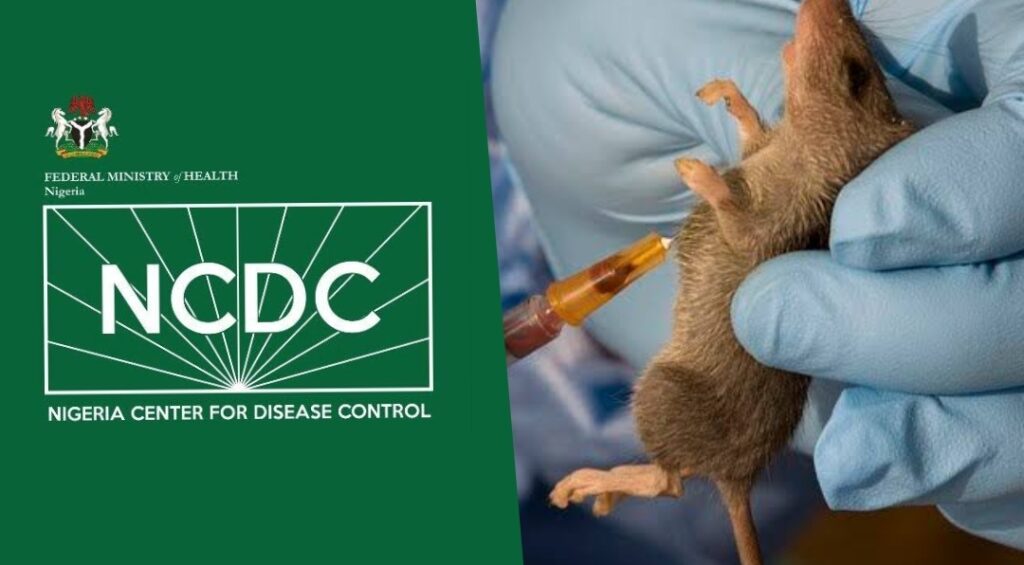
Nigeria has recorded 145 deaths from Lassa fever in 2025, the Nigeria Centre for Disease Control and Prevention, NCDC, has confirmed.
This is even as the country continues to battle the viral hemorrhagic disease across 18 states.
According to the latest situation report released yesterday by NCDC for epidemiological week 24 (June 9–15), the country recorded 766 confirmed cases from 5,678 suspected infections.
The case fatality rate stood at 18.9 percent, up from 17.6 percent during the same period in 2024.
The agency said the states most affected are Ondo, Bauchi, Edo, Taraba and Ebonyi, which accounted for 91 percent of the confirmed cases.
It said Ondo alone contributed 31 per cent, making it the epicentre of the outbreak.
Inspite of a decline in new confirmed cases — down to eight from 11 the previous week — the public health agency said health authorities remain concerned about the high fatality rate.
The agency noted that this was driven by late presentation of cases, poor health-seeking behaviour and unsanitary living conditions in high-burden communities.
According to it, efforts to contain the outbreak include the deployment of Rapid Response Teams to 10 states, risk communication, environmental sanitation campaigns and training of health workers in high-risk areas.
NCDC also de-escalated its Incident Management System to alert mode, while integrating Lassa fever messages into wider disease awareness campaigns.
The agency has appealed to the public to avoid contact with rodents and seek prompt medical care at designated treatment centres at the first sign of symptoms such as fever, headache or bleeding.
The agency urged Nigerians to maintain hygiene, report symptoms early and avoid contact with rodents and their secretions.
“The public is also encouraged to follow NCDC’s advisories and utilise the toll-free line 6232 for inquiries,” it said.
It would be recalled that Lassa fever is a viral hemorrhagic disease transmitted primarily through contact with the urine or faeces of infected rats.
It can also spread from person to person through bodily fluids, contaminated objects or infected medical equipment.
Symptoms include fever, sore throat, headache, vomiting, muscle pain and in severe cases, bleeding from the body openings.