Joel Ajayi
A sports lawyer, Pius C. Ndubuokwu, has revealed that Nigerian football clubs have collectively lost over $2 billion due to poor contractual knowledge and weak understanding of international transfer regulations.
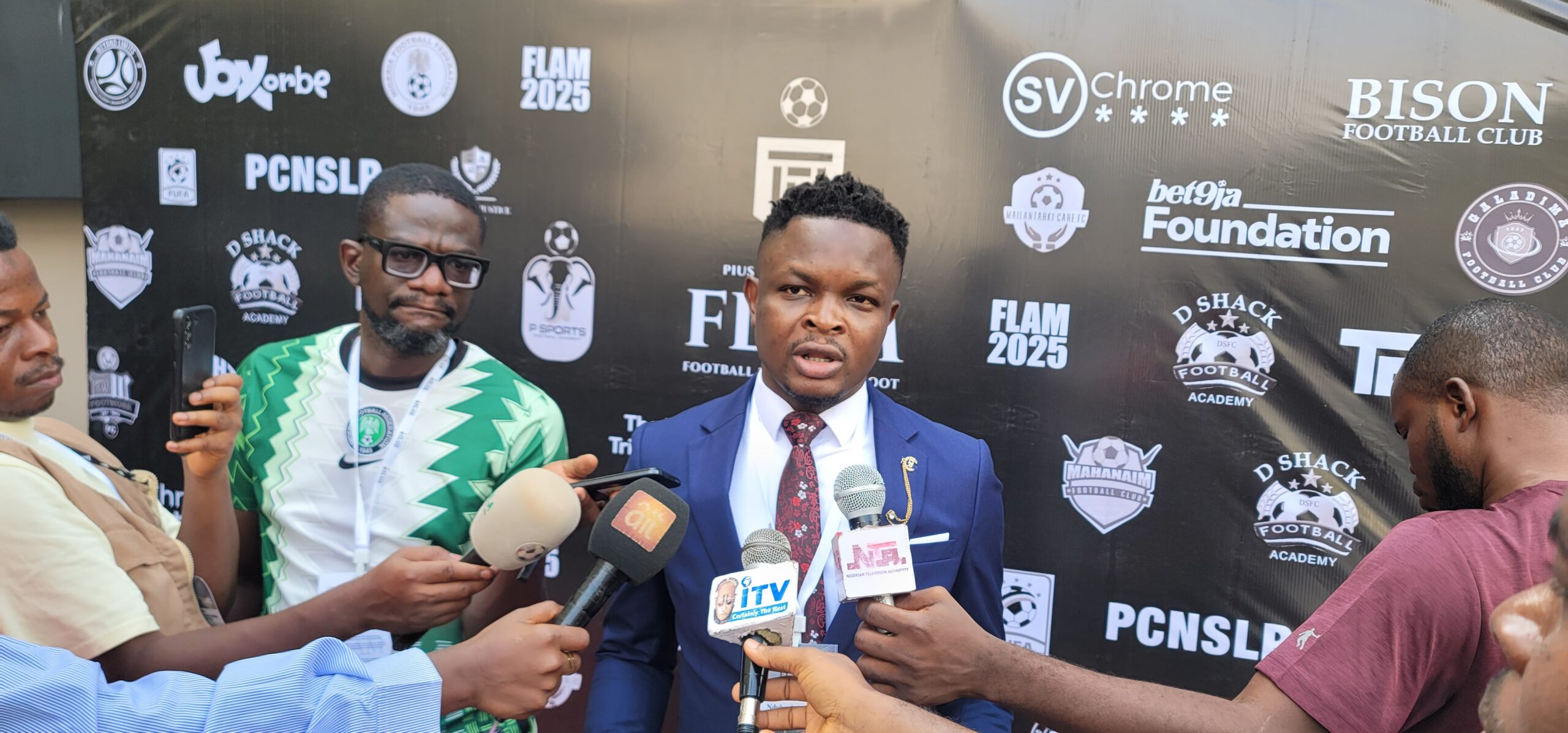
Ndubuokwu made the revelation on Saturday in Abuja at the second edition of the International Sport Solicitors’ Football Law Annual Moot (FLAM), themed: “The Role of International Arbitral Tribunals in Maintaining Contractual Stability in Football.”
The two-day event featured discussions, simulations and capacity-building sessions led by global sports-law experts—all aimed at strengthening Nigeria’s ability to manage football-related disputes and navigate international regulations.
Ndubuokwu explained that contractual ignorance remains one of the biggest threats to the growth of football in Nigeria. Citing data from a global expert, Nasseri, he noted that 17,200 Nigerian players were transferred abroad in the last decade, yet over 30% experienced contractual violations. Alarmingly, up to 90% of affected players did not even know their rights had been breached.
He stressed that FLAM serves as an educational foundation for players, clubs, agents and administrators:
“This year’s edition focuses on contractual stability—the core of football business. When players are unaware of their rights, the entire football economy suffers. Clubs lose money, lawyers lose money, and agents lose money.”
Ndubuokwu also highlighted the financial implications of inadequate knowledge of FIFA’s Regulations on the Status and Transfer of Players (RSTP) and the FIFA Clearing House introduced in 2022.
According to him, the NFF currently has over 4,100 Eligibility Processing Payments (EPPs) to review, yet many clubs still operate under outdated assumptions.
He emphasized that grassroots academies are the hardest hit: “Grassroots clubs invest heavily in talent development but lose out on thousands and millions of dollars because they don’t understand FIFA’s current regulations. In the last two to three years alone, Nigerian grassroots teams have lost over $2 million due to ignorance.”
Ndubuokwu gave an example of a recently transferred Nigerian player whose former club was entitled to over €1 million under solidarity and training compensation rules—money the club might have completely missed if they lacked awareness.
Also speaking at the event, Sports Lawyer Ajakaiye Oluwatosin reiterated that the FLAM initiative is designed to empower young lawyers and students across Africa with the skills needed to participate in global sports arbitration.
He noted that many athletes worldwide, not just in Africa, suffer because they lack knowledge of their rights and have little legal support in their home countries. But initiatives like FLAM, he said, will help local lawyers build capacity to assist both players and clubs in international matters.
To young and aspiring sports-law practitioners, Ajakaiye offered this advice:
“Sports law today requires deep specialization. In the past, it was impossible to practice only sports law, but now it is.
Young lawyers must study extensively, understand international issues, and attend events like this to grow.”