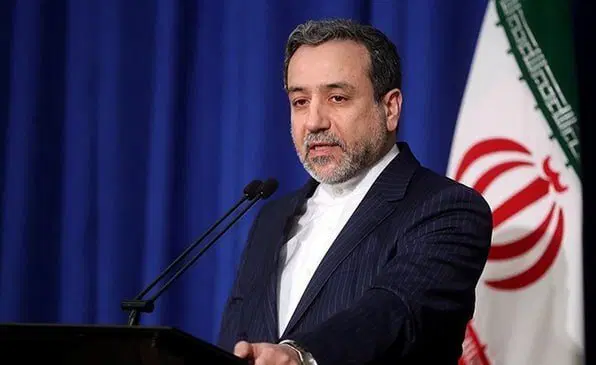
Iranian Foreign Minister Abbas Araghchi travelled to Qatar on Wednesday to offer condolences following the death of the country’s former ruler, Sheikh Hamad bin Khalifa Al Thani, only days after Iran launched missile attacks that struck the Gulf nation.
The visit marks one of the first high-level diplomatic engagements between Tehran and Doha since tensions in the region escalated again amid renewed fighting involving Iran, the United States and Israel.
In a statement, Iran’s Ministry of Foreign Affairs confirmed that Araghchi’s trip was intended to honour the late former emir and express sympathy to the Qatari leadership.
According to the ministry, the foreign minister is expected to hold meetings with senior Qatari officials during the visit.
Araghchi is scheduled to “meet with Qatari authorities and offer his condolences”, the foreign ministry said in a statement, following the death on Sunday of Sheikh Hamad bin Khalifa Al Thani, who ruled the Gulf state from 1995 to 2013.
Sheikh Hamad, who governed Qatar between 1995 and 2013, played a significant role in transforming the Gulf state into a major regional and international player before handing power to his son.
The diplomatic visit comes against the backdrop of escalating military confrontation between Iran and the United States, which has intensified despite an earlier ceasefire agreement.
Regional tensions have surged to levels not witnessed since the ceasefire reached in April.
The latest conflict erupted in late February after coordinated strikes by the United States and Israel targeted Iran.
Tehran responded by launching retaliatory attacks against Israeli territory and American military interests across the Gulf region.
The renewed violence has placed significant strain on diplomatic efforts aimed at restoring stability in the Middle East.
A memorandum of understanding brokered last month through mediation by Qatar and Pakistan had sought to establish a framework for ending hostilities.
However, the agreement has come under increasing pressure following the resumption of military activities earlier this month.
The latest escalation followed attacks on commercial vessels operating in Gulf waters, incidents that Washington has attributed to Iran.
The United States subsequently intensified military operations, focusing largely on coastal areas where Tehran claims strategic control over the Strait of Hormuz, one of the world’s most important shipping routes for global energy supplies.
Qatar, which hosts the largest United States military installation in the Middle East, confirmed that it was struck by an Iranian attack on Sunday.
Despite the recent hostilities, diplomatic engagement between both countries appears to be continuing, with Iran dispatching its top diplomat to participate in official mourning activities while maintaining dialogue with the Qatari leadership.
Analysts say the visit highlights Qatar’s continuing role as a key diplomatic intermediary in regional conflicts, even as security challenges across the Gulf continue to intensify.