Joel Ajayi
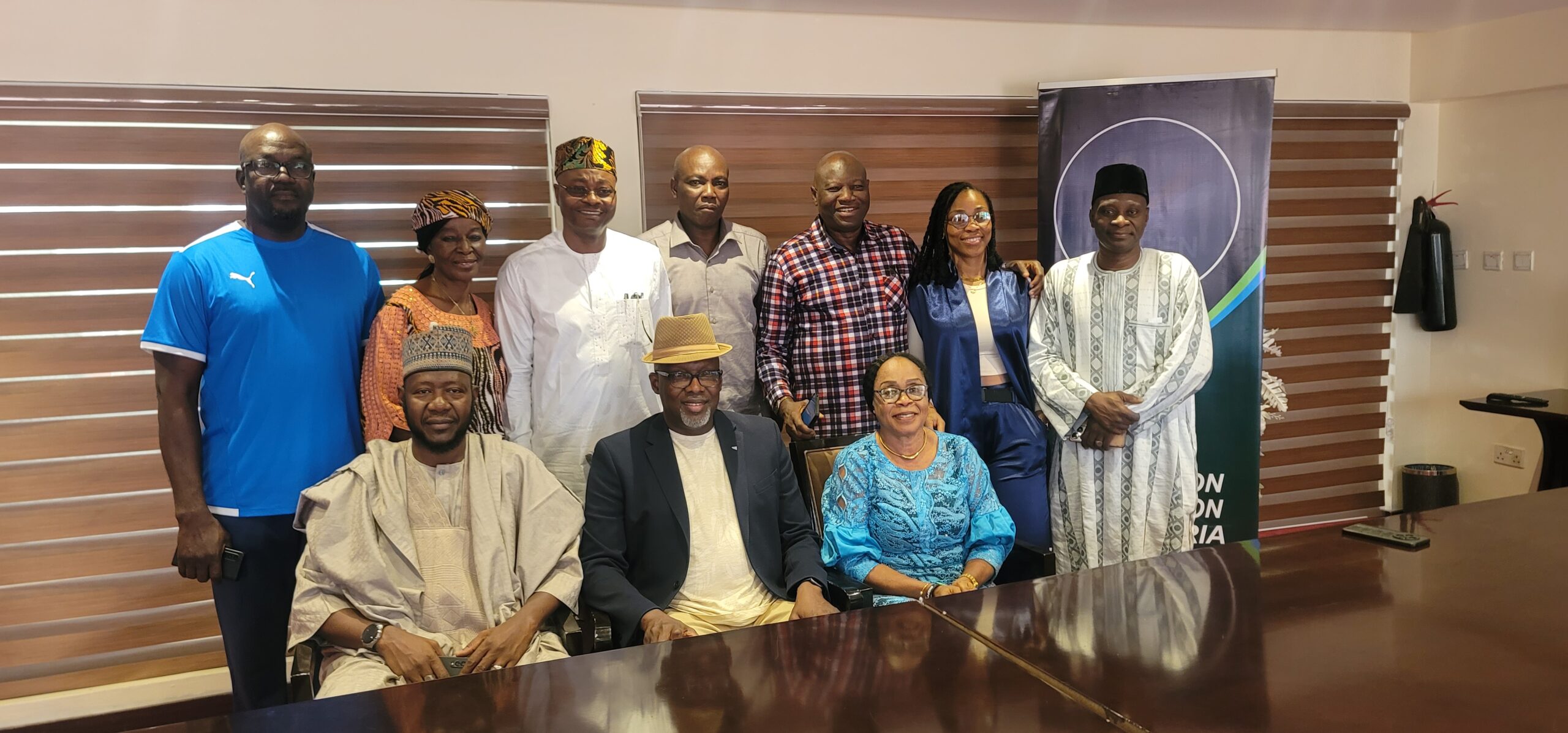
The President of the Badminton Federation Francis Orbih has described the last four years of leadership as a period of “remarkable progress, learning and collective achievement,” crediting teamwork, institutional support and strategic partnerships for the federation’s growth.
Speaking on Thursday in Abuja during a reflective board meeting engagement session, the federation boss said the journey from 2022 to 2026 was filled with challenges but also significant breakthroughs, stressing that success was not built on individual effort, but on the strength of collaboration.
“With all sense of modesty, I would say the journey has been quite successful. But I will not claim personal credit for it. This was teamwork. I had a very strong support team working closely with me, and that is how we were able to achieve what we achieved,” he said.
He acknowledged that the period was not without difficulties, noting that challenges are a natural part of leadership and progress.
“Success is not the absence of challenges; it is how you respond to them. We faced obstacles, but we pushed through them. That is what defined our growth,” he added..
Speaking on the Road to LA 2028 and Athlete Development, Badminton President said the board working hard to ensure athlete development and international competitiveness, particularly towards the LA 2028 Olympic Games.
He highlighted Nigeria’s early launch of the LA 2028 Olympic Roadmap as a landmark step, noting that the country became the first in Africa to do so — a move that positioned Nigerian badminton as a continental leader.
Special attention is being given to elite athletes, especially top-ranked players currently on the global circuit, who are being prepared through structured international exposure, sponsorship support and training grants.
He revealed that key players are already on the road to major international competitions, including the World Championships and continental qualifiers, with backing from:
National Sports Commission (NSC)
GIG Logistics and other private sector partners.
“With the level of support now available, our athletes have no excuses. They are getting exposure, sponsorship and institutional backing. The structure is now there for performance,” he stated.
Building the Next Generation
Beyond elite athletes, the federation is also investing in young talents, creating a new generation of players through exposure, scholarships, and international opportunities.
Some players are already on sports scholarships in the United States, while a new crop of young athletes is being prepared for continental competitions, including upcoming African Championships and international tournaments.
“We are rebuilding. We are developing young players, exposing them, building their confidence, and preparing them for the future. This is a long-term process, but it is a necessary one,” he explained
Orbih also praised the National Sports Commission for its consistent support, describing it as critical to the federation’s recent successes, especially in international engagements and athlete development programmes.
He also emphasized the importance of private sector involvement.
“Government alone cannot do everything. The Commission is doing its best, but private sector support is essential. With more corporate partnerships, we will achieve even greater progress,” he said.
Looking ahead, he reaffirmed the federation’s commitment to structured planning, youth development, international competitiveness, and sustainable growth.
“As much support as we get, we will always prioritize competitions, exposure, and opportunities for our players. The goal is to build a system that continues to grow beyond individuals and leadership tenures,” he concluded.