….Calls for Urgent National Census Exercise
Joel Ajayi
Chairman of the Senate Committee on National Identity and Population, Senator Victor Umeh, has warned that the failure of government to adequately plan for Nigeria’s youthful population is an invitation to national failure.
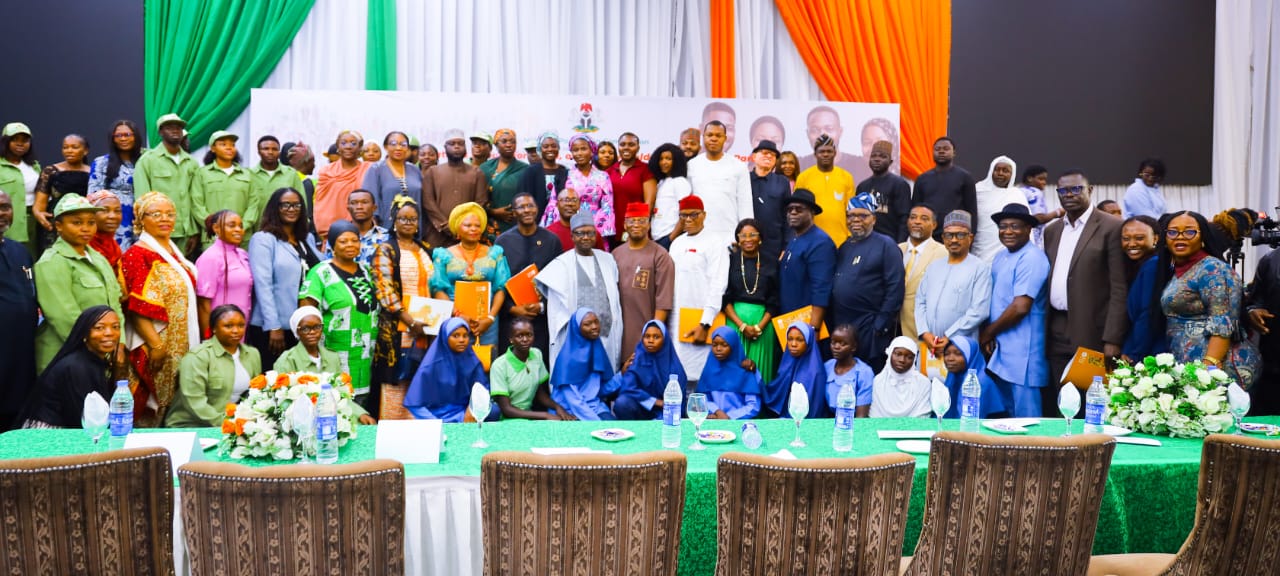
Speaking on Tuesday in Abuja during the 2025 World Population Day commemoration organised by the National Population Commission (NPC) in collaboration with the United Nations Population Fund (UNFPA), Umeh emphasized the urgent need for the country to invest in its youth and conduct a credible population and housing census.
With over half of Nigeria’s population under the age of 30, the senator stressed that the nation’s future depends on how well it prepares and empowers its young people.
“It is a privilege to join in commemorating the 2025 World Population Day under the timely theme: ‘Empowering Young People to Create the Families They Want in a Fair and Hopeful World.’ This calls attention to the urgent need to invest in the rights, agency, and access for young people to opportunities that enable them to make informed decisions about their futures,” Umeh said.
He lamented that Nigeria continues to operate without accurate demographic data, noting that various population estimates ranging from 200 to 300 million make planning highly unreliable.
“We don’t have exact figures. Some say we are 200 million, others say 230 or 300 million. Without credible data, how can we plan for the future? Our last census was in 2006—19 years ago. We are simply guessing, and that is a recipe for disaster,” he warned.
Umeh stressed that a reliable and up-to-date census is crucial for inclusive development, equitable resource distribution, and youth-responsive policy. He assured that the National Assembly will provide the necessary legislative and funding support to the NPC to ensure the successful conduct of the next census.
“The Senate is committed to providing the legislative framework to ensure Nigeria’s population data is accurate, timely, and inclusive. Youth empowerment must remain central to our national development agenda,” he added.
He also commended the NPC for its preparedness and dedication toward the forthcoming census and praised the UNFPA for its continued support, particularly in areas of technical expertise, youth engagement, and strengthening reproductive health systems.
Earlier in his remarks, the Chairman of the National Population Commission, Hon. Nasir Isa Kwarra, described Nigeria’s population growth as a major challenge to sustainable development.
He noted that while global fertility rates are declining in many regions, Nigeria’s demographic trajectory presents unique opportunities and challenges.
According to Kwarra, more than 60% of Nigeria’s estimated 216.8 million people (as of 2022) are under the age of 30—a statistic that highlights both the potential and the responsibility the country must shoulder in planning for the future.
“These young people are not just statistics—they are our students, workers, and leaders in waiting,” Kwarra said. “If properly harnessed, this demographic structure can drive innovation, productivity, and inclusive growth. But this requires deliberate investment in education, skills development, sexual and reproductive health, employment, and good governance.”
He called for sustained investment in youth and regular census exercises every ten years to provide accurate data for national planning and to track progress on both national and international development goals.
Kwarra further emphasized that empowering young people is not an act of charity but a smart development strategy. “We must continue to address the barriers they face—economic uncertainty, limited access to services, and underemployment—with empathy, innovation, and evidence-based policies,” he said.
The 2025 World Population Day celebration, themed “Empowering Young People to Create the Families They Want in a Fair and Hopeful World,” served as a platform for dialogue and renewed commitment from stakeholders across government, civil society, development agencies, and the private sector.
However, the event highlighted the need to count everyone, invest in every young person, and build a fair and hopeful Nigeria where no one is left behind.