

By Joel Ajayi
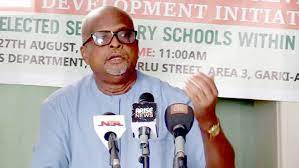
As the build-up to Saturday’s Nigeria Cricket Federation (NCF) elections intensifies, former NCF President and current chairman of the FCT Cricket Association, Emeka Onyeama, has outlined a seven-point agenda he believes will transform cricket in the country.
Onyeama, who is seeking to return to the board as North Central representative, said his ambition is not driven by titles but by a desire to contribute meaningfully to the sport’s growth. “I can’t help the game if I’m outside. I need to be on the board to effect change, and that’s what I’m working toward,” he stated.
His agenda focuses on grassroots expansion, modernization of cricket governance, and long-term sustainability. The seven points include: Grassroots Revolution through partnerships with tertiary institutions.Nationwide Infrastructure Development, especially on university campuses.Technology Integration in cricket operations and outreach.Strategic Media Partnerships to broaden exposure.Transparency in Governance and decision-making.Inclusivity across regions, gender, and age groups. Sustainability through private sector engagement and long-term planning.
Onyeama emphasized that true development goes beyond elite competitions, noting that universities and schools must be central to Nigeria’s cricket future. “One of my priorities is to extend cricket into universities because we need more undergraduates involved,” he said.
He described media and digital platforms as critical drivers of growth, calling for stronger presence on TikTok, X, Instagram, Facebook, YouTube, and live streaming of games. “Media is not just a partner — it is an integral shareholder in the sports business,” Onyeama stressed.
On governance, he urged Nigerian federations to adopt corporate models similar to the International Cricket Council (ICC), where accountability, structured programmes, and local development statistics determine global support. “Sports in Nigeria cannot remain informal. We must publish annual programmes, structure activities, and channel funds into building the game locally, not endless foreign trips,” he argued.
According to Onyeama, Nigeria must prioritize players, grassroots infrastructure, and media synergy to attract investment, grow audiences, and make cricket commercially viable. He added that sports leadership should not be treated as a retirement plan for civil servants but as a serious business requiring resilience, innovation, and entrepreneurship.
“My agenda is clear: strengthen grassroots cricket, deepen media collaboration, drive infrastructure, and make Nigerian sports vibrant, profitable, and globally competitive,” Onyeama concluded.