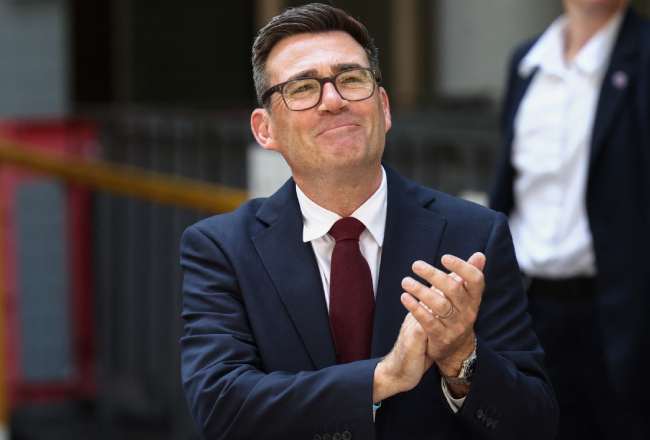
Andy Burnham has officially become the leader of the United Kingdom’s ruling Labour Party and is set to become the country’s next prime minister after pledging to restore “hope” and improve living standards across Britain.
Speaking at a special Labour Party conference on Friday, Burnham promised to deliver change for communities that had long felt neglected.
“People and places have been waiting too long for politics to let them hope again. We’re going to give them hope back,” he told party delegates.
The 56-year-old succeeds Keir Starmer, who resigned last month following months of political turmoil and declining public support. Burnham is expected to be formally appointed prime minister on Monday after meeting King Charles III.
A former Mayor of Greater Manchester, Burnham earned the nickname “King of the North” for championing regional development during his nine years in office.
He has pledged to decentralise power away from Westminster by creating a “Number 10 North” office and giving greater authority to cities and regions across the UK.
Burnham also outlined plans to expand public housing, strengthen social care, and pursue greater public control of essential services while promoting economic growth beyond London.
Labour retains its commanding parliamentary majority following the 2024 general election, allowing Burnham to become prime minister without calling a fresh election. He secured the party leadership unopposed after receiving the backing of 379 Labour MPs.
The incoming prime minister will inherit significant challenges, including sluggish economic growth, rising government borrowing costs, pressure on public services, irregular migration, and the growing popularity of Nigel Farage’s Reform UK ahead of the next general election.