

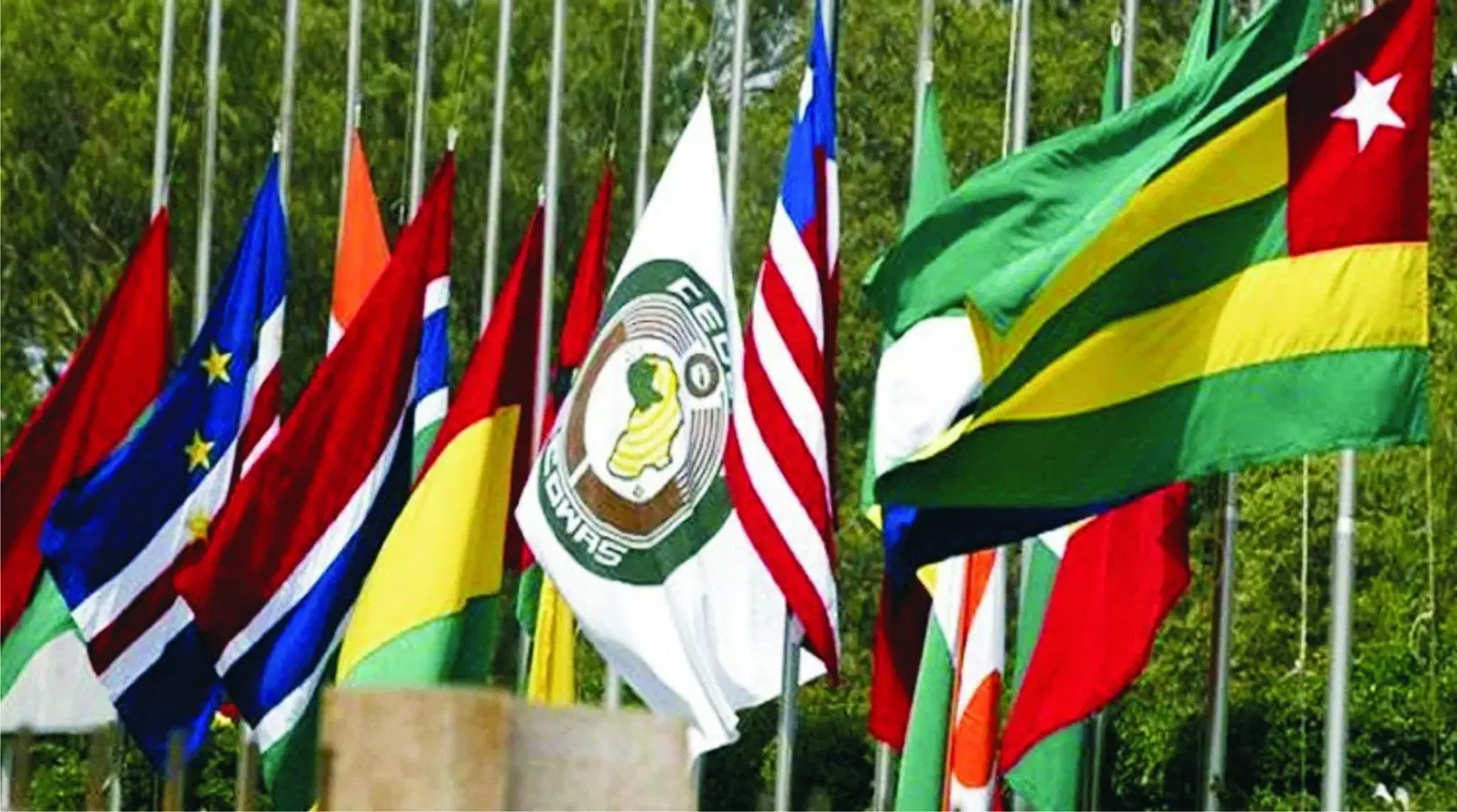
The Regional Observatory of Onion in West and Central Africa (ORO/WCA) has confirmed the release of the five Nigerian onion trucks that were detained earlier this week at Kotoku Market in Ghana, following the intervention of the Economic Community of West African States (ECOWAS).
The development has eased tensions that threatened to escalate into a diplomatic dispute between Nigeria and Ghana, while renewing calls for a permanent regional framework to safeguard cross-border agricultural trade.
In a statement made available to Vanguard on Saturday, ORO/WCA President, Aliyu Maitasamu, disclosed that the trucks were released on Friday and permitted to offload their onion consignments.
According to Maitasamu, the swift intervention helped prevent significant financial losses for exporters and underscored ECOWAS’ commitment to strengthening trade, dialogue and cooperation among member states.
The trucks had been detained on Tuesday after a traders’ group at Ghana’s Kotoku Market reportedly blocked their operations despite existing regional trade agreements that guarantee the free movement of goods.
Prior to the resolution, ORO/WCA had appealed to the Ghanaian government to intervene, warning that the detention disrupted onion supplies and undermined established trade protocols within the West African sub-region.
Maitasamu explained that the onion trade between both countries remains substantial, noting that Ghanaian traders regularly purchase more than 50 truckloads of onions from Nigeria without discrimination.
He added that Nigeria exports approximately 16 truckloads of onions to Ghana every week, while the Republic of Niger supplies an additional 10 truckloads under existing regional trade arrangements.
The association also expressed appreciation to the Federal Ministry of Industry, Trade and Investment of Nigeria, Ghana’s Ministry of Trade, Agribusiness and Industry, the Nigerian and Ghanaian High Commissions, the ECOWAS Trade Directorate, and other stakeholders for their collective efforts in resolving the dispute.
Despite welcoming the immediate resolution, ORO/WCA cautioned that the release of the trucks only addressed the current crisis and not the recurring issues affecting the regional onion trade.
The association urged the ECOWAS Commission to convene a comprehensive dialogue involving the governments of Nigeria, Ghana and the Republic of Niger, as well as onion producers, traders and other stakeholders, to establish a lasting framework for the transportation and marketing of onions across West and Central Africa.
“We are pleased to confirm that the affected trucks have now been allowed to offload their consignments. This intervention prevented further losses to exporters and demonstrated ECOWAS’ commitment to promoting regional trade, dialogue, and cooperation among Member States,” Maitasamu said.
He added that although the immediate dispute had been resolved, the root causes of repeated disruptions in the regional onion trade still require a long-term solution.
ORO/WCA proposed that the framework should be built around existing regional trade initiatives, including the ECOWAS Trade Liberalisation Scheme (ETLS), the African Continental Free Trade Area (AfCFTA), and the Pan-African Payment and Settlement System (PAPSS).
According to the association, the proposed arrangement should establish clear market access guidelines, harmonised quality and phytosanitary standards, transparent trading procedures, efficient dispute resolution mechanisms and seamless cross-border payment systems.
Maitasamu maintained that a transparent, rules-based regional system would help prevent future disputes, deepen regional integration, improve food security, boost intra-African trade and strengthen the competitiveness of the onion value chain across West and Central Africa.
He reaffirmed ORO/WCA’s commitment to collaborating with ECOWAS, member states and relevant stakeholders to develop practical and sustainable solutions that will promote agricultural trade and regional economic cooperation.