By Arabinrin Aderonke
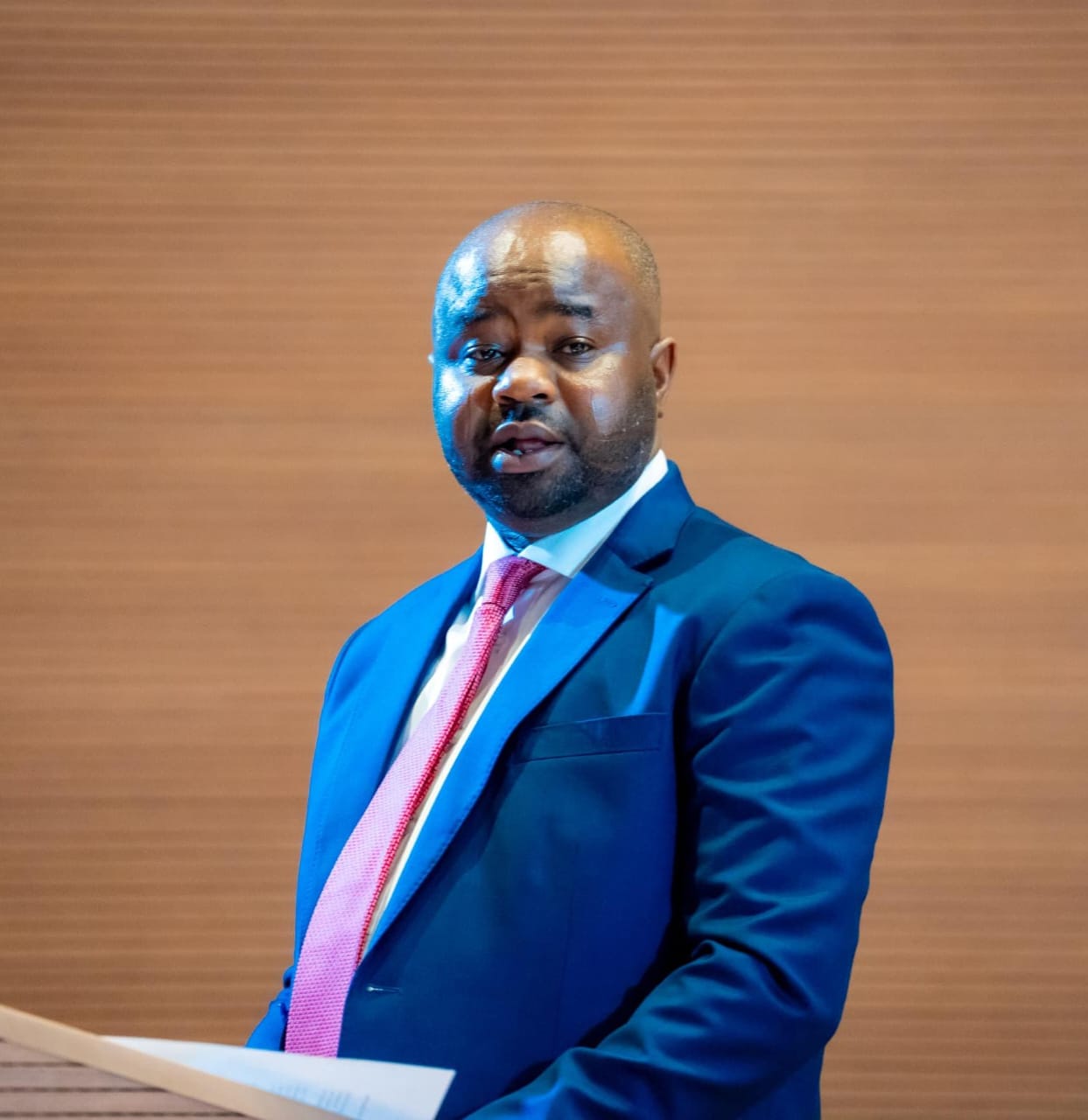
Every generation produces public servants whose influence reaches beyond the offices they occupy. They redefine institutions, challenge entrenched assumptions and leave behind systems that continue to deliver long after they have gone. In less than three years, Zacch Adedeji has shown every sign that he belongs to that category.
When President Bola Ahmed Tinubu appointed him first as Special Adviser on Revenue and subsequently as Executive Chairman of the Federal Inland Revenue Service, now the Nigeria Revenue Service, the assignment was neither glamorous nor easy. Nigeria faced declining fiscal space, rising debt obligations, low tax compliance, multiple taxation, an outdated legal framework and an overdependence on oil revenue. The challenge was not simply to collect more taxes. It was to redesign the country’s revenue architecture.
That assignment demanded more than technical knowledge. It required vision, courage, political dexterity and the ability to build consensus around difficult reforms. Those qualities have become the defining features of Adedeji’s leadership. Perhaps his greatest contribution is that he has shifted the conversation from ordinary tax collection to a more robust tax administration. The difference is significant. Tax collection focuses on today’s revenue. Tax administration builds the systems that guarantee tomorrow’s revenue. Sustainable economic development depends on the latter.
Working closely with President Tinubu and the Presidential Committee on Fiscal Policy and Tax Reforms, Adedeji played a central role in delivering the most extensive overhaul of Nigeria’s tax system in decades. The signing into law of the Nigeria Tax Act, the Nigeria Tax Administration Act, the Nigeria Revenue Service (Establishment) Act and the Joint Revenue Board (Establishment) Act constituted a turning point in Nigeria’s fiscal history.
For decades, Nigeria’s tax laws evolved in fragments. Different statutes often overlapped, created uncertainty for investors and imposed multiple compliance obligations on businesses. The new legal framework seeks to harmonise tax administration, simplify compliance, eliminate duplication and strengthen coordination among federal, state and local revenue authorities. More importantly, it provides a predictable tax environment that improves investor assurance while reducing the cost of doing business.
One of the defining philosophies behind the reforms is fairness. Rather than pursuing aggressive taxation, the objective is to broaden the tax base, improve voluntary compliance as well as protect small businesses while making sure that those who should pay taxes actually do so. This approach illustrates global best practice. Countries with the strongest tax systems count less on coercion and more on trust, honesty and efficient administration.
Technology has equally become the engine of the reforms. Adedeji understands that a modern economy cannot be supported by analogue institutions. Under his leadership, the Service has accelerated digital transformation through initiatives such as REV360 and expanded electronic tax administration systems that minimise human contact, minimise leakages, improve transparency and make compliance easier for taxpayers. His private sector experience has clearly shaped his belief that public institutions must embrace innovation if they are to remain efficient.
The results are beginning to validate the reforms. In the first half of the year alone, the Service recorded a historic ₦28.3 trillion in revenue collection in 2025, representing roughly a 30 percent increase over the previous year. The momentum has continued in 2026, with revenue collections exceeding ₦21.6 trillion in the first half of the year alone. Value Added Tax collections have also continued to grow, demonstrating that stronger administration and better compliance can produce better outcomes than simply increasing tax rates.
Yet, numbers alone do not tell the full story. Revenue growth matters because it creates fiscal space for government to invest in roads, schools, hospitals, security, social services and critical infrastructure. Strong domestic revenue also reduces dependence on borrowing and strengthens Nigeria’s economic durability at a time of global uncertainty. In that sense, tax reform is not purely an economic policy. It is a nation-building strategy.
Beyond just policy and performance, Adedeji has earned a reputation for thoughtful leadership. Those who have worked with him frequently describe a leader who combines intellectual depth with emotional intelligence. He is known for listening carefully, encouraging professional debate, remaining steady under pressure and empowering competent people to deliver results. In public administration, where reforms regularly fail because people resist change, these qualities are invaluable.
It is therefore not surprising that President Tinubu continues to repose enormous confidence in him. Revenue reform sits at the heart of the administration’s Renewed Hope economic agenda. Without stronger domestic revenue mobilisation, fiscal stability, infrastructure improvement and long-term economic growth would remain difficult to achieve. The President needed a reformer capable of translating ambitious policy into measurable outcomes, and Adedeji has demonstrated the discipline and competence required for that responsibility.
No serious institutional reform is completed within three years. Building enduring institutions necessitates patience, consistency and continuous improvement. Even though challenges remain, the foundations have undoubtedly been laid. Nigeria now has a more coherent legal framework, stronger digital capacity, improved taxpayer engagement and a revenue administration that is increasingly aligned with international top practice.
History will ultimately judge Dr. Zacch Adelabu Adedeji not simply by the trillions of naira collected during his tenure but by whether the institutions he is building continue to serve Nigeria long after his time in office. On the evidence so far, he has moved beyond managing a revenue agency to leading one of the most significant fiscal transformations in the country’s democratic history.
Three years is a short time in the life of any nation. Yet, it has been long enough to demonstrate that with clear vision, sound policy and disciplined execution, meaningful reform is possible. For Dr. Zacch Adedeji, the achievements recorded so far appear to be only the beginning. The real legacy may well lie in the stronger, smarter and more resilient tax system he is building for generations to come.
Arabinrin Aderonke is an award-winning investigative journalist, 2016 finalist, CNN African Journalist Award, she currently serves as a Deputy Director, Corporate Communications Department and Technical Advisor to the Executive Chairman, Nigeria Revenue Service.