
The United Kingdom has temporarily withdrawn its remaining diplomatic staff from Iran as hostilities between the United States and Iran continue to escalate, following another round of American airstrikes targeting Iranian positions.
The UK Foreign, Commonwealth and Development Office (FCDO) confirmed the development in an update published on its official website, stating that the decision was taken because of the deteriorating security situation in Iran.
According to the FCDO, the British Embassy in Tehran will continue operating remotely until conditions improve.
“Due to the security situation, UK staff have been temporarily withdrawn from Iran.
“Our embassy continues to operate remotely,” the statement said.
The British government also reiterated its travel advisory, warning citizens against travelling to Iran and cautioning that British nationals, including dual British-Iranian citizens, remain at significant risk of arrest, interrogation or detention.
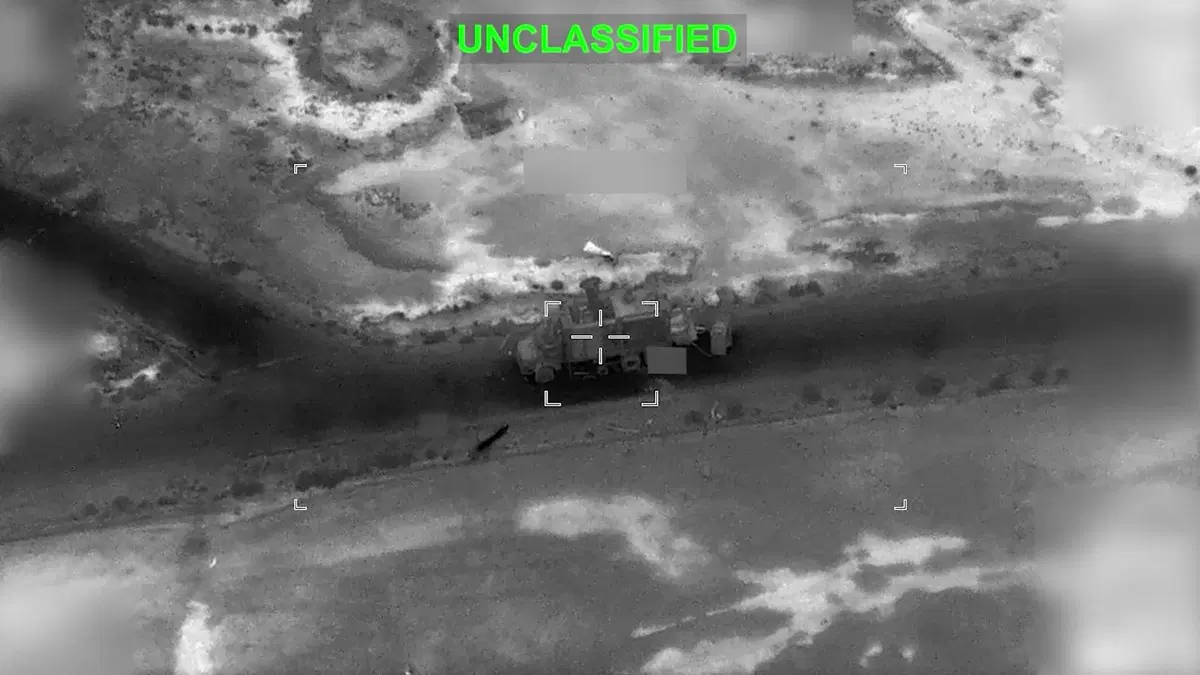
Meanwhile, the United States Central Command (CENTCOM) said its latest military operation was intended to weaken Iran’s ability to threaten civilian shipping and commercial vessels navigating strategic waterways in the region.
According to the US military, the operation was aimed at “further degrading Iran’s ability to threaten civilian mariners and commercial vessels transiting regional waters.”
Iranian state media reported that missiles struck areas near the western cities of Ahvaz, Ramshir and Andimeshk during the latest wave of attacks.
The conflict has also spread across neighbouring Gulf states.
Kuwait’s military announced on X that its air defence systems were actively intercepting hostile drones following what it described as Iranian aggression.
“Confronting attacks by hostile drones, following the sinful Iranian aggression,” the Kuwaiti army said.
Earlier, United States President Donald Trump warned that Iran would face further consequences if attacks on commercial shipping in the Strait of Hormuz continued.
He declared that American forces would destroy one bridge or power station for every vessel targeted by Iran in the strategic waterway.
Responding to the warning, Iran’s Foreign Minister, Seyed Abbas Araghchi, vowed that Tehran would retaliate proportionately against any further attacks on its territory.
“Any aggression against Iran, including our infrastructure, will compel a powerful and decisive response,” Araghchi wrote on X.
The latest escalation follows sustained exchanges of fire between both countries, with air defence systems reportedly activated over Tehran during previous attacks.
Iran has also expanded its military response beyond its borders.
The country launched a missile attack targeting a city in Jordan, while security alerts were activated in Bahrain and Saudi Arabia as regional tensions intensified.
Iran has additionally targeted energy facilities and desalination plants in neighbouring Gulf countries, infrastructure that supplies electricity and drinking water to millions of residents.
The attacks have raised concerns among international observers because international humanitarian law generally prohibits strikes on civilian infrastructure unless such facilities are being used for military purposes.
The continued exchange of attacks has further heightened fears of a broader regional conflict, with diplomatic efforts to restore negotiations between Washington and Tehran yet to produce a breakthrough.