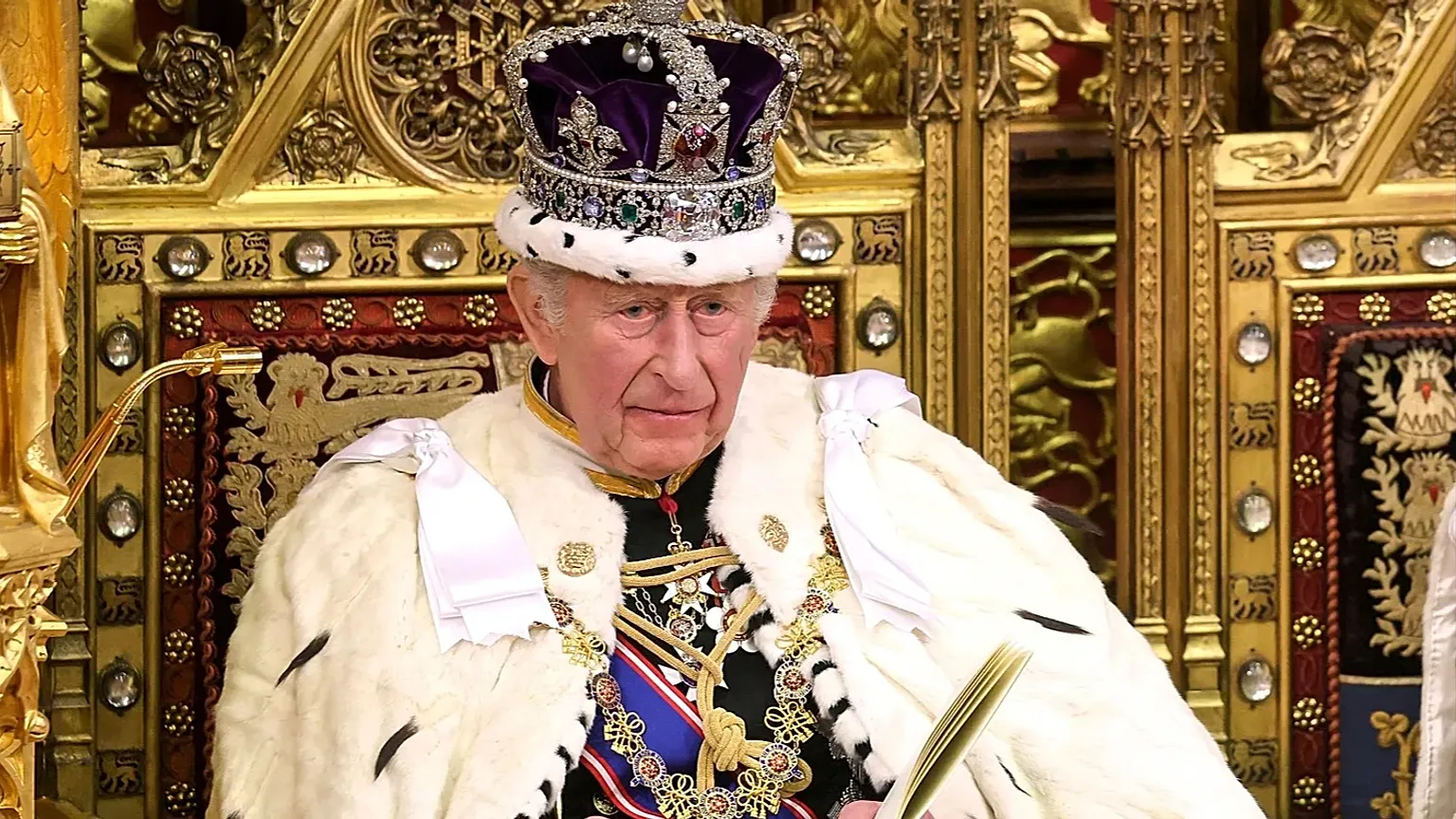
King Charles III has become the first British monarch to publicly disclose the amount of tax he has paid since ascending the throne in 2022, with Buckingham Palace revealing that he has voluntarily paid approximately £30 million (about $39.6 million).
The financial details were released by Buckingham Palace on Thursday as part of what it described as a commitment to greater transparency amid growing public interest in the finances of the British royal family.
The disclosure offers fresh insight into how the monarchy is funded, combining taxpayer support through the Sovereign Grant with significant private income from historic royal estates.
Sovereign Grant Funds Official Duties
The Sovereign Grant is the annual payment provided by the UK Treasury to finance the monarch’s official responsibilities and the operation of the royal household.
The funding covers the maintenance of official royal residences, salaries for palace staff, official travel, state functions, garden parties and investiture ceremonies.
For the 2025–2026 financial year, the grant increased to £132.1 million, compared with £86.3 million received annually during the previous four financial years.
Buckingham Palace explained that £67.5 million of the allocation was earmarked for the preservation and restoration of occupied royal palaces, many of which are regarded as nationally significant heritage sites.
Staffing costs for the King’s household amounted to £33.7 million during the period, while a state visit by King Charles and Queen Camilla to Rome in 2025 cost £126,946.
The Sovereign Grant does not include all expenses associated with the monarchy, as security costs are funded separately by the government.
How the Sovereign Grant Is Calculated
The Sovereign Grant system was introduced in 2012 to replace the centuries-old Civil List arrangement, which had been criticised for its complexity.
The grant is funded through profits generated by the Crown Estate, a commercial property portfolio whose revenues are transferred directly to the UK Treasury.
Originally calculated at 12 per cent of Crown Estate profits from two years earlier, the grant has risen significantly in recent years following substantial income generated from leasing seabed rights to offshore wind energy developers.
For the 2026–2027 financial year, the grant is expected to increase further to £137.9 million, reflecting the final major allocation for the decade-long renovation of Buckingham Palace.
However, Buckingham Palace confirmed that from 2027 to 2032, annual funding under the Sovereign Grant will be reset to £99.9 million.
Because the grant consists of public funds allocated for official duties, it is exempt from taxation.
Crown Estate Remains Public Asset
The Crown Estate manages an extensive portfolio valued at approximately £16.7 billion.
Its holdings include prestigious properties in central London, rural estates, coastal assets, the Windsor Estate and seabed rights surrounding England, Wales and Northern Ireland.
Although closely associated with the monarchy, the estate is managed independently as a commercial enterprise and is not considered the personal property of the King.
The assets cannot be sold by the monarch.
For the financial year ending March 2025, the Crown Estate generated net profits of £1.1 billion.
However, profits declined to £487 million in the following financial year, largely due to lower revenues from offshore wind leasing activities.
Private Income from Historic Duchies
Beyond public funding, King Charles receives substantial private income through the Duchy of Lancaster, which generated £25.2 million during the 2025–2026 financial year.
Meanwhile, the Prince of Wales, Prince William, earned £21.6 million from the Duchy of Cornwall.
The two Duchies serve as the principal private income sources for the reigning monarch and the heir to the throne.
They comprise extensive landholdings, agricultural estates, commercial and residential properties as well as investment portfolios managed as modern businesses.
Revenue is generated through farmland leases, property management and financial investments.
Both estates are held in trust for future generations and cannot be sold.
Income from these estates is used to fund personal expenses and certain official activities, separate from taxpayer-funded support received through the Sovereign Grant.
Although neither King Charles nor Prince William is legally required to pay tax on income earned from the Duchies, both voluntarily do so, following the precedent established by the late Queen Elizabeth II.
Personal Wealth and Royal Estates
In addition to institutional funding, members of the royal family possess private wealth accumulated through investments and inherited assets.
King Charles personally owns Balmoral Castle and the Sandringham Estate, both inherited from Queen Elizabeth II.
Under a long-standing agreement between the British government and the monarchy, assets transferred directly from one monarch to the next are exempt from inheritance tax, ensuring continuity of ownership across successive reigns.
The latest disclosure of King Charles’ tax payments marks a significant departure from previous royal practice and reflects increasing efforts by Buckingham Palace to demonstrate financial openness while maintaining the distinction between public funding and the royal family’s private wealth.