

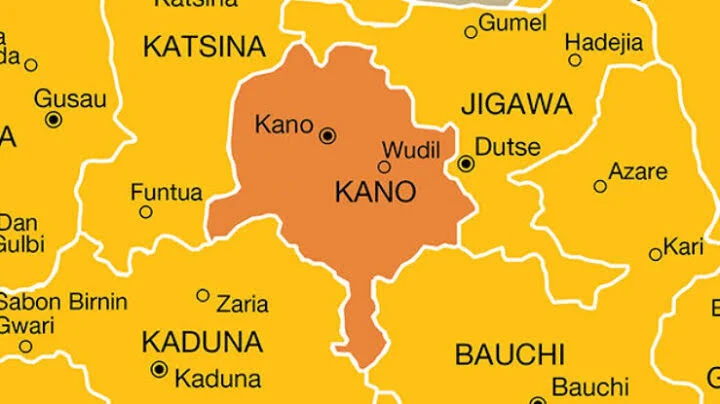
Kano State has emerged as the leading state in Nigeria for newly registered voters under the ongoing Continuous Voter Registration (CVR) exercise, recording a total of 441,845 new registrations as of June 15, 2026.
The figures were contained in a report presented by the Sub-Committee on ICT and Data Collection, chaired by the Kano State Commissioner for Livestock Development, Dr Aliyu Isa Aliyu.
The report, released on Thursday, showed that Kano recorded the highest number of new voter registrations among the 36 states of the federation and the Federal Capital Territory (FCT), highlighting increasing civic participation and political awareness among residents of the state.
According to the committee, the achievement was largely driven by sustained voter mobilisation campaigns and public awareness initiatives introduced by the Kano State Government under the administration of Governor Abba Kabir Yusuf.
The report noted that the government established a Voter Registration Task Force Committee in 2025 with the objective of encouraging eligible citizens, particularly young people, to register and actively participate in the democratic process.
Data contained in the report revealed notable variations in registration figures across the state’s 44 local government areas.
Bichi Local Government Area recorded the highest number of new voter registrations with 30,806 voters.
It was followed by Kumbotso with 18,701 registrations, Nasarawa with 18,184, Dawaki Tofa with 17,748, Bagwai with 15,808 and Ungogo with 15,584.
At the lower end of the registration chart, Kunchi Local Government Area recorded 5,030 registrations, while Warawa registered 5,462 voters.
Tsanyawa recorded 5,597 registrations, Garun Malam posted 5,679, while Bunkure recorded 5,699 new voters.
The report observed that registration activities were particularly strong in urban and semi-urban communities, especially within the Kano metropolitan area, where awareness campaigns and mobilisation efforts recorded significant success.
In contrast, some rural local government areas experienced comparatively lower turnout.
The committee also highlighted the critical role played by youths in the registration exercise, describing their participation as a major factor behind Kano’s outstanding performance.
According to the report, the large number of young registrants demonstrates growing interest among youths in governance and democratic participation.
Bichi Local Government Area received special recognition for its performance, with the committee describing its contribution as exceptional.
The area alone accounted for approximately seven per cent of the total number of registrations recorded across the state, reflecting the effectiveness of local voter mobilisation strategies.
To sustain the momentum, the committee recommended intensified voter education and awareness campaigns in local government areas with lower registration figures.
It also called for increased engagement of young people and community volunteers in voter mobilisation activities.
The report further urged local authorities to strengthen collaboration with the Independent National Electoral Commission (INEC) to facilitate the smooth completion of biometric registration processes and ensure wider access to registration centres.
According to the committee, the registration of more than 441,000 new voters demonstrates the commitment of Kano residents to democratic participation and strengthens the foundation for future electoral planning.
The report added that the data generated through the registration exercise would also be useful for demographic assessments, policy formulation and evidence-based governance.
It concluded that Kano’s performance reflects a growing culture of civic responsibility and political engagement among its population as preparations continue for future elections in the country.