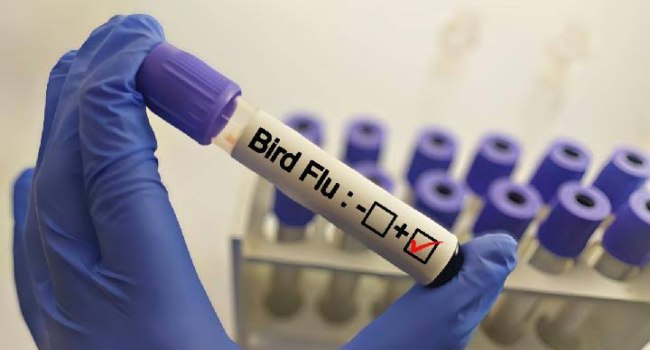
Australia has confirmed its first case of the H5 strain of avian influenza, becoming the last continent to report the highly contagious virus, according to the country’s agriculture authorities.
Agriculture Minister Julie Collins announced on Saturday that the virus was detected in a migratory seabird, identified as a brown skua, in a remote region of Western Australia. The diagnosis was verified by Australia’s national science agency.
Authorities also revealed that samples collected from a giant petrel found sick in the same area returned a suspected positive result and are undergoing further analysis.
The confirmation marks a significant development in the global spread of the H5 strain, which has severely affected poultry farms, wild bird populations and several mammal species across multiple continents.
“While this development is disappointing, it is not unexpected considering the worldwide expansion of the H5 bird flu virus,” Collins said during a press briefing in Canberra.
She stressed that there is currently no indication of widespread bird deaths in Australia and no evidence that the virus has reached commercial poultry operations.
According to Collins, an emergency meeting involving animal health and agricultural officials has already been convened to coordinate the country’s response and containment measures.
“We always understood that Australia would eventually face this challenge,” she said. “We simply could not remain free of bird flu indefinitely.”
The H5 strain has caused extensive losses globally due to its ability to spread rapidly among birds while also infecting certain mammals. The disease has been linked to significant mortality rates in poultry and wildlife populations in numerous countries.
Australian Prime Minister Anthony Albanese described the development as concerning but said the government had anticipated the possibility and had been preparing for such an event.
“This virus has moved across the world through migratory bird populations,” Albanese said. “We have been planning for this scenario and will continue taking necessary steps to manage the risk.”
The H5 virus has particularly affected species such as waterfowl, shorebirds, seabirds and birds of prey. Beyond birds, infections have also been reported in marine mammals and a variety of other animals, including cats, goats, alpacas and pigs.
Environmental experts have expressed concern about the potential impact on Australia’s unique biodiversity. The country is home to some of the world’s most distinctive wildlife species, many of which exist nowhere else.
Nearly half of Australia’s bird species and more than 80 percent of its mammals are endemic to the continent, making the arrival of the virus especially troubling for conservation efforts.
Australia’s Threatened Species Commissioner, Fiona Fraser, warned that certain vulnerable species could face serious consequences if the disease spreads further.
“There is a possibility of significant impacts at the population level for some of our native species,” Fraser said.
She disclosed that authorities are implementing protective measures for 35 species through expanded captive-breeding programs and other conservation initiatives.
Species considered particularly vulnerable include the Tasmanian devil, Australian sea lion, little penguin and black swan.
The confirmed case was discovered in a wilderness area approximately 630 kilometres southeast of Perth along Australia’s western coastline.
Officials are investigating whether migratory birds arriving from sub-Antarctic regions introduced the virus into the country.
The announcement comes shortly after Australian researchers reported that the H5 strain had killed more than 13,000 elephant seal pups on the remote Heard and McDonald Islands, an Australian territory located in the sub-Antarctic region.
Scientists continue to monitor the situation closely as Australia works to prevent the virus from spreading to domestic poultry and vulnerable wildlife populations.