Iran’s Supreme Leader, Mojtaba Khamenei, has formally endorsed the agreement signed by Iranian President Masoud Pezeshkian and US President Donald Trump to end the recent Middle East conflict, despite admitting he held reservations about the deal.
The approval comes as the United States began lifting restrictions on Iranian ports, marking a major step toward restoring trade and maritime activity after months of tensions and warfare in the region.
The agreement, signed this week, opens a 60-day window for negotiations on broader issues between Washington and Tehran, including Iran’s nuclear programme and regional security concerns.
However, uncertainty remains over the next phase of the process, with no confirmation yet on whether a planned signing ceremony and technical talks in Switzerland will proceed as initially announced.
Global oil markets reacted positively to the development, with crude prices falling sharply following news of the agreement. Despite the easing tensions, maritime traffic through the Strait of Hormuz remains below normal levels.
The strategic waterway, which Iran restricted during the conflict, is expected to reopen fully under the terms of the deal.
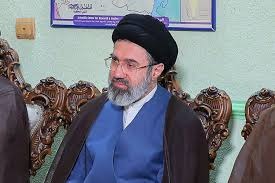
In a written statement, Mojtaba Khamenei explained that although he did not entirely agree with the arrangement, he authorised it because of assurances from senior Iranian officials that national interests would be protected.
He stated that future direct negotiations with the United States would take place but stressed that such engagement should not be interpreted as acceptance of Washington’s positions.
Observers noted similarities between his stance and that of his late father, Ali Khamenei, who often permitted diplomatic engagement while publicly maintaining a cautious position toward the United States.
The younger Khamenei, who reportedly sustained injuries during the conflict, has yet to make a public appearance since assuming leadership. Attention is expected to focus on upcoming funeral ceremonies for his father, scheduled for early July, as analysts seek clues about the direction of Iran’s new leadership.
Meanwhile, the US military confirmed that it had ended the naval blockade preventing ships from entering or leaving Iranian ports. Although restrictions have been lifted, American naval forces will remain in the region.
Maritime tracking data showed early signs of renewed activity, including the passage of oil tankers and a liquefied natural gas vessel through the Strait of Hormuz.
Iranian authorities also announced the establishment of a new body to oversee navigation through the waterway. According to state media, vessels seeking passage must apply through the new mechanism, though no fees will be charged during the first 60 days.
US Vice President JD Vance indicated that American officials are expected to travel to Switzerland for technical discussions with Iranian representatives later this weekend, though scheduling details remain subject to change.
Despite the diplomatic breakthrough, reactions in both countries have been mixed.
Some Iranians expressed doubts that the agreement would lead to lasting peace, fearing that hostilities could resume after the negotiation period ends.
French President Emmanuel Macron, who hosted the signing ceremony at the Palace of Versailles, also cautioned that the conflict may not be fully resolved and stressed the importance of successful follow-up negotiations.
Under the terms of the memorandum, the United States will immediately begin waiving oil-related sanctions on Iran. The agreement also outlines plans for a $300 billion reconstruction fund to support Iran once a final settlement on the nuclear issue is reached.
The deal has generated criticism among some American lawmakers. Several opponents argue that the agreement does not adequately address Iran’s nuclear ambitions and may encourage future attempts to disrupt global shipping routes.
Trump, however, strongly defended the accord, describing it as a major victory and dismissing critics as misguided.
Within Iran, reactions have also been divided. While some hardliners questioned the agreement, senior officials including Parliament Speaker Mohammad Bagher Ghalibaf praised it as evidence that the United States failed to achieve its objectives through military pressure.
President Pezeshkian described the agreement as a historic opportunity to stabilise the region and improve Iran’s economic prospects.
Analysts say the coming weeks will be critical in determining whether the ceasefire evolves into a broader and more durable settlement between the two longtime adversaries.