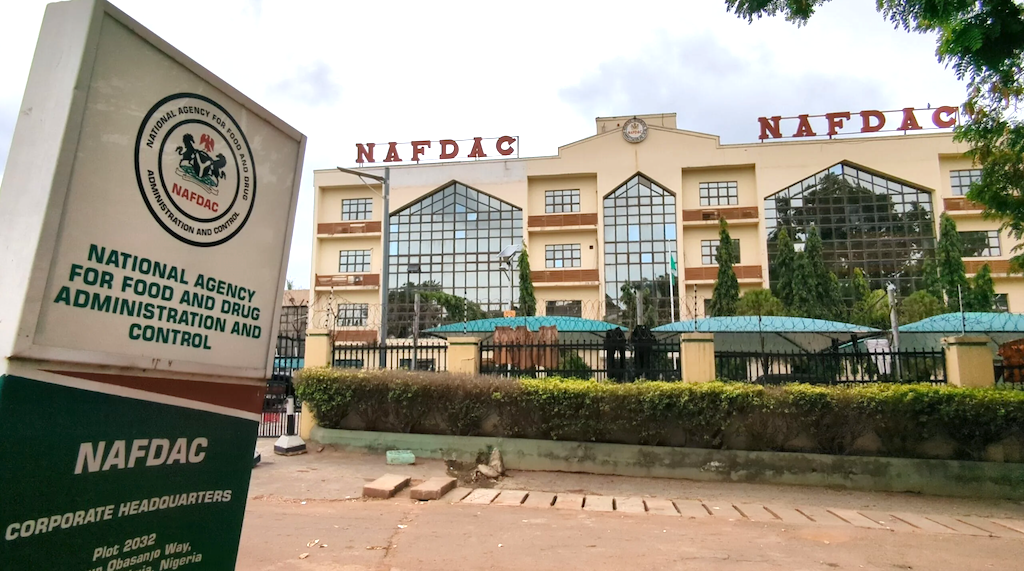
The National Agency for Food and Drug Administration and Control (NAFDAC) has emphasised the importance of the rational use of medicines as a critical measure for safeguarding patient safety and improving public health outcomes across Nigeria.
The call was made during a sensitisation programme held in Mushin, Lagos, where healthcare professionals, community leaders, and other stakeholders gathered to discuss safe medication practices and strengthen awareness of pharmacovigilance.
Speaking on behalf of the Director-General of NAFDAC, Prof. Mojisola Adeyeye, the agency’s Director of Pharmacovigilance, Mr Uchenna Elemuwa, noted that medicines play a vital role in saving lives, preventing complications, reducing suffering, and improving the quality of life for patients.
However, he cautioned that medicines can become harmful when misused, overused, underused, or improperly prescribed.
“Medicines save lives, reduce suffering, prevent complications, and improve quality of life. However, when medicines are misused, overused, underused, or improperly prescribed, they can become dangerous and even life-threatening,” he said.
Elemuwa identified irrational medicine use as a major global public health concern, pointing to practices such as self-medication, abuse of antibiotics, incorrect dosing, and the circulation and use of counterfeit medicines.
According to him, these practices contribute to treatment failure, adverse drug reactions, prolonged illness, increased healthcare expenses, disability, and preventable deaths.
He further warned that antimicrobial resistance remains one of the most serious consequences of inappropriate medicine use.
“The misuse and overuse of antibiotics have accelerated the emergence of resistant microorganisms. This means infections that were once easily treatable are becoming increasingly difficult and expensive to manage,” he explained.
The NAFDAC official also highlighted the role of pharmacovigilance, which involves monitoring, assessing, and preventing adverse effects associated with medicines.
“No medicine is completely free from side effects. However, through effective pharmacovigilance systems, harmful reactions can be identified early and necessary actions taken to protect the public,” he stated.
He encouraged healthcare workers and members of the public to actively report adverse drug reactions, stressing that such reports can help prevent harm and improve medication safety nationwide.
“A single adverse drug reaction report can save thousands of lives,” he said.
Elemuwa called for stronger collaboration among doctors, pharmacists, nurses, patients, and other stakeholders to ensure medicines are used responsibly and safely.
“Patient safety begins with the rational use of medicines. Medicines are meant to heal, not harm,” he added.
Also speaking at the event, the Executive Chairman of Mushin Local Government, Tunbosun Aruwe, said the sensitisation programme was designed to promote medication safety and increase public awareness of healthcare issues at the grassroots level.
He noted that while medicines provide enormous health benefits, they can also cause harm when not properly used or monitored.
“As medicines provide immense benefits, they may also cause harmful effects if not properly used or monitored. This is why pharmacovigilance is critical,” he said.
Aruwe commended NAFDAC for its continued efforts to protect public health and pledged the local government’s support for initiatives that promote safer healthcare practices.
He reaffirmed his administration’s commitment to healthcare development through free medical outreach programmes, the construction of modern primary healthcare centres, and support for public health awareness campaigns.
“Our administration remains committed to providing free medical outreach, building modern primary healthcare centres, and supporting programmes that enhance patient safety and community participation in healthcare,” he stated.
The chairman urged participants to take the lessons learned from the programme back to their communities and help spread awareness on the importance of responsible medicine use.
“Let us all become ambassadors of safe medicine use. Together, we can build a healthier Mushin, a safer Lagos State, and a stronger Nigeria,” he said.
The programme formed part of ongoing efforts by NAFDAC and its partners to strengthen pharmacovigilance systems, reduce medicine-related risks, and improve overall healthcare outcomes across the country.