United States President Donald Trump has announced that ships are once again moving through the Strait of Hormuz, expressing confidence that the strategic waterway will be fully reopened by Friday following a peace agreement between Washington and Tehran aimed at ending months of conflict in the Middle East.
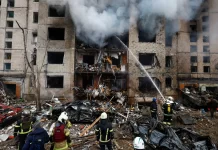
The development marks a significant step toward easing tensions after a prolonged war that began in late February following US-Israeli military strikes on Iran. The conflict disrupted global energy supplies, triggered sharp increases in oil prices and heightened concerns about global economic stability.
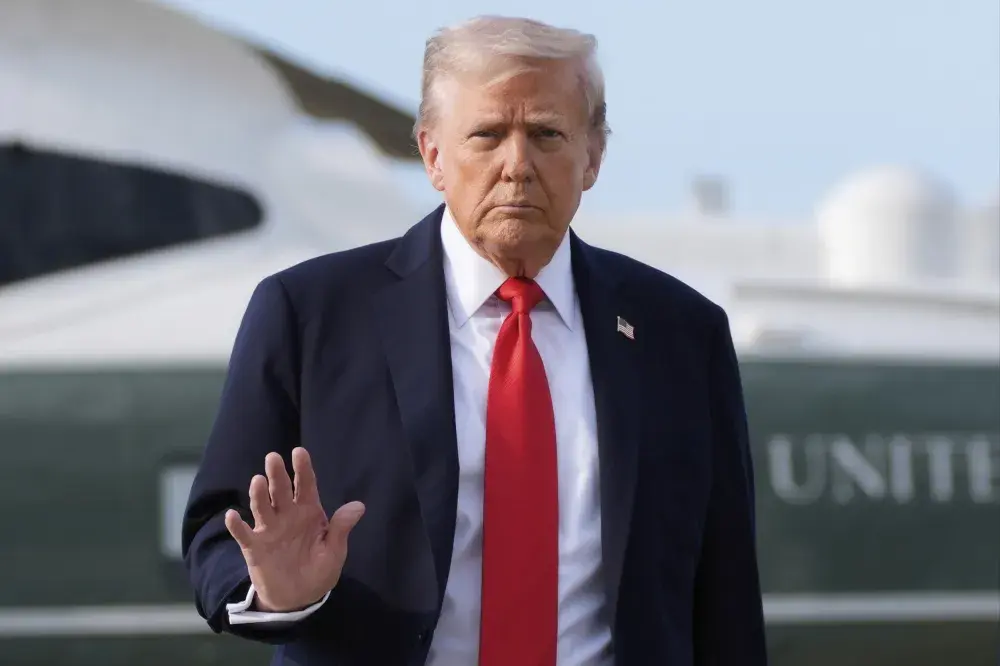
Speaking on Monday, Trump said oil tankers had already begun transiting the strait.
“Ships are starting to move, many loaded up with Oil, out of the Strait of Hormuz,” Trump stated, adding that he did not expect major challenges in maintaining freedom of navigation in the waterway.
The Strait of Hormuz is one of the world’s most critical energy corridors, handling roughly 20 percent of global crude oil shipments. Its closure during the conflict contributed to a surge in energy prices and fears of prolonged inflationary pressures worldwide.
According to officials from the United States, Iran and Pakistan, which mediated the talks, a formal signing ceremony for the agreement is expected to take place in Switzerland on Friday.
However, a senior US administration official disclosed that Trump, Vice President JD Vance and Iranian Parliament Speaker Mohammad Bagher Ghalibaf had already signed the agreement electronically.
“The president wanted to sign it personally because he wanted to show his dedication to bringing this process to a successful conclusion,” the official said.
Trump described the agreement as a significant diplomatic achievement and indicated that the full text of the deal could be released soon.
Iranian Deputy Foreign Minister Kazem Gharibabadi described the accord as bringing an immediate end to military hostilities and revealed that negotiations on a comprehensive final agreement would continue over the next two months.
Iranian President Masoud Pezeshkian welcomed the development, calling it “a great achievement” for the region, while the country’s military described the outcome as a victory over its adversaries.
Nevertheless, Iranian Foreign Minister Abbas Araghchi urged caution, noting Tehran’s concerns about the durability of international agreements.
“We have a history of broken commitments and agreements being abandoned. These experiences remain in our minds,” Araghchi said.
The situation in Lebanon remains one of the unresolved issues surrounding the broader agreement. Iran has insisted that any lasting settlement must address ongoing hostilities involving Hezbollah and Israel.
Iran’s Foreign Ministry spokesman, Esmaeil Baqaei, said Washington must ensure that Israel adheres to commitments relating to Lebanon as part of the peace arrangement.
Israeli Prime Minister Benjamin Netanyahu, however, maintained that Israeli forces would continue operations in Lebanon, Syria and Gaza whenever deemed necessary to protect national security interests.
Despite these differences, Lebanese President Joseph Aoun welcomed the agreement and expressed hope that it would contribute to reducing tensions across the region.
Several countries and international organisations also welcomed the breakthrough. The United Nations, Saudi Arabia, Egypt and Pakistan described the accord as a positive step toward regional stability, while several European countries signalled readiness to ease sanctions on Iran if the peace process progresses.
Financial markets responded positively to the announcement. Oil prices fell sharply, retreating from earlier highs above $110 per barrel reached during the conflict. Global stock markets also rallied as investors anticipated improved energy supplies and reduced geopolitical risk.
Analysts noted that the reopening of the Strait of Hormuz could help stabilise global energy markets and reduce inflationary pressures that have weighed heavily on economies worldwide since the conflict began.
While significant questions remain regarding Iran’s nuclear programme and the implementation of various provisions within the agreement, the announcement represents the strongest indication yet that a prolonged and costly regional conflict may be nearing its conclusion.