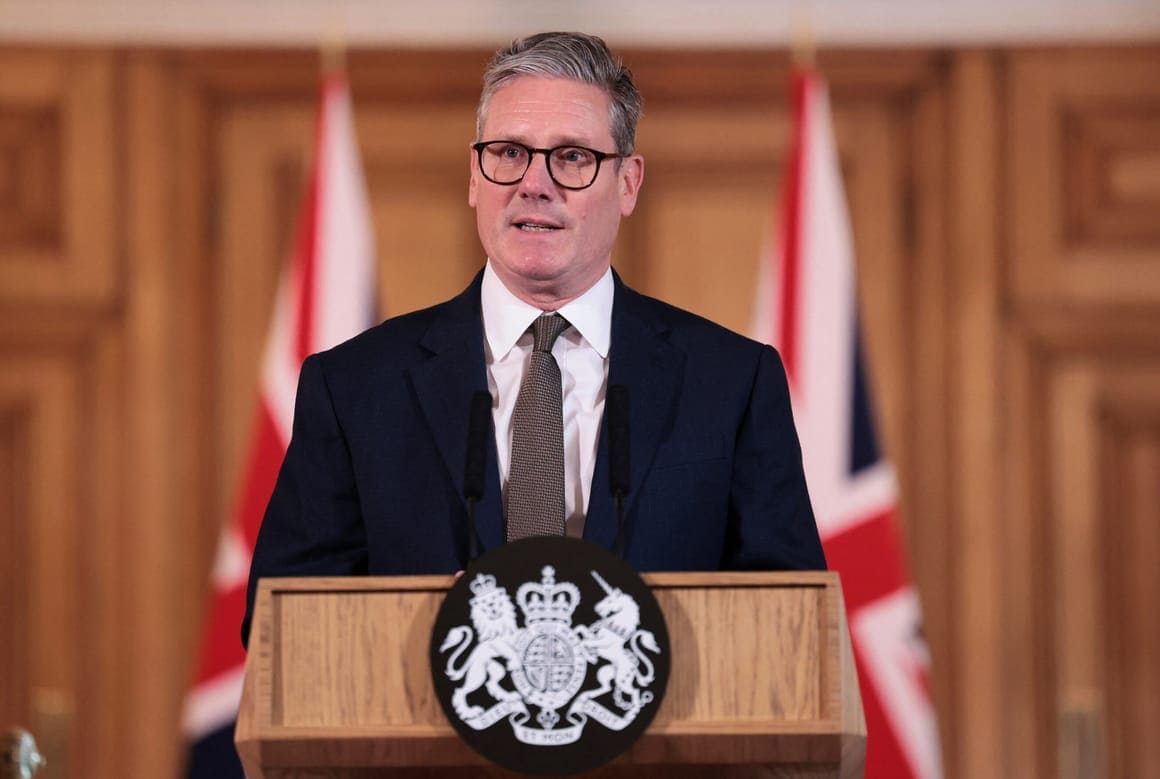
The United Kingdom is set to introduce a sweeping ban preventing children under the age of 16 from using major social media platforms, Prime Minister Keir Starmer announced on Monday, describing the move as a necessary step to protect young people from harmful online content.
According to Starmer, social media platforms are increasingly exposing children to material that is dangerous, addictive and detrimental to their mental wellbeing. He argued that stronger safeguards are needed to shield minors from online risks and reduce the influence of algorithms designed to maximise engagement.
The proposed restrictions will apply to major social media platforms, including Snapchat, TikTok, YouTube, Instagram, Facebook and X. However, messaging applications such as WhatsApp are not expected to be affected by the ban.
Starmer said the government intends to pass the necessary regulations by the end of December, with implementation expected sometime next year.
The Prime Minister noted that the decision was influenced by developments in Australia, which became the first country to introduce a nationwide social media ban for users under 16 in December 2025.
Under the UK proposal, educational and child-focused digital services such as YouTube Kids, Lego Play and Google Classroom are expected to remain accessible to young users.
The government is also considering additional measures aimed at improving online safety for minors. These include potential overnight restrictions on social media access, limits on endless scrolling features and stronger protections against harmful online interactions.
In addition, authorities announced plans to restrict certain functions on gaming and live-streaming platforms that allow unknown adults to contact children.
Starmer stressed that children should not be placed in situations online that would be considered unacceptable in the physical world.
The proposal follows a government consultation that attracted approximately 116,000 responses, making it one of the largest public consultations conducted in the country. More than 80 per cent of participating parents reportedly said the risks of social media outweighed its benefits for children, while 91 per cent supported setting the minimum access age at 16.
The policy has generated mixed reactions among child welfare organisations and technology companies.
The National Society for the Prevention of Cruelty to Children (NSPCC) welcomed the initiative but called for robust age-verification systems and strong enforcement mechanisms to ensure compliance.
However, Save the Children UK expressed concern that a blanket ban could push young users toward less regulated online spaces where they may face greater risks and be less likely to seek support when problems arise.
Technology companies have also voiced reservations. A spokesperson for YouTube warned that broad restrictions could unintentionally drive children toward platforms with fewer safety protections.
The announcement comes shortly after the UK government instructed major technology companies, including Apple and Google, to introduce safeguards that prevent children from creating, sending or receiving nude images on their devices.
Officials have given technology firms three months to implement the required safety measures or face legislation mandating compliance.
Government data indicates that child-generated sexual content remains a growing concern. According to figures cited by authorities, 91 per cent of online child sexual abuse reports recorded in 2024 involved content created by children themselves.
If enacted, the legislation would place the United Kingdom among a growing number of countries seeking stricter regulation of children’s access to social media platforms in response to concerns over online safety, mental health and digital wellbeing.