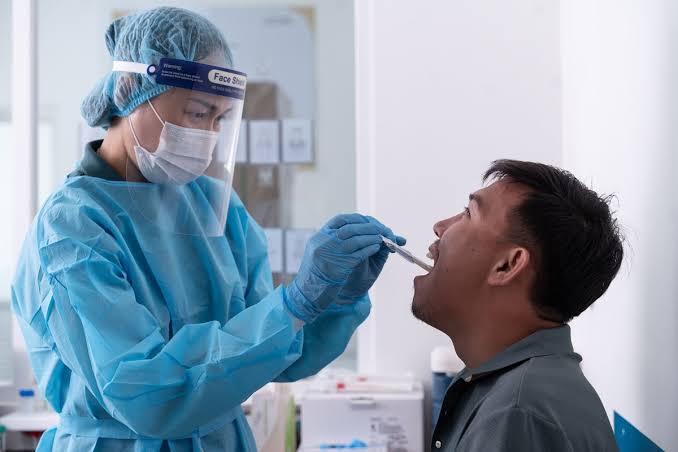
World Health Organisation, WHO, has called on countries to accelerate efforts to end Tuberculosis, TB, and expand access to lifesaving services using innovative diagnostics, including point-of-care tests and tongue swabs.
In a statement on Tuesday, WHO highlighted that those portable, low-cost tests bring TB diagnosis closer to patients, delivering results in under an hour and enabling quicker treatment initiation.
Its Director-General, Dr Tedros Ghebreyesus, said the new tools are transformative, allowing fast and accurate TB diagnosis, saving lives, curbing transmission, reducing costs, and potentially testing for other diseases like HIV, mpox and HPV.
“WHO recommends using tongue swabs for patients unable to produce sputum, expanding testing to high-risk adults and adolescents, and employing sputum pooling to reduce costs and increase efficiency in resource-limited settings.
“Each day, more than 3,300 people die from TB and more than 29,000 fall ill with this preventable and curable disease,” Ghebreyesus said, warning that cuts in global health funding threaten progress.
He said uptake of rapid diagnostics had been limited due to high costs and reliance on centralised laboratories, urging scale-up of near-point-of-care, low- or moderate-complexity tests for all populations.
On World TB Day 2026, with the theme; “Yes! We can end TB: Led by countries, powered by people,” WHO called for comprehensive action, including community-led care, resilient health systems and multisectoral strategies to tackle TB’s social and economic drivers.
The Director for HIV, TB, Hepatitis and STIs, WHO, Dr Tereza Kasaeva, said investing in TB generated up to $43 in returns per dollar spent and urged decisive leadership, strategic funding and rapid implementation of WHO`s innovations.
She stressed that sustained research investment is essential, noting a $5 billion annual funding gap for the development of new diagnostics, medicines and vaccines needed to effectively combat tuberculosis worldwide.
“Initiatives such as the TB Vaccine Accelerator Council aim to fast-track the development and equitable access to new TB vaccines by aligning governments, researchers, funders and industry around shared priorities and coordinated investment.”
WHO urged governments and partners to prioritise TB as a central pillar of health security and universal health coverage, calling for urgent action to save lives and strengthen global TB response. NAN