Federal government expects the Nigerian economy to grow by 4.68% in 2026, supported by easing inflation, improved foreign exchange stability and continued fiscal reforms, the federal government said recently..
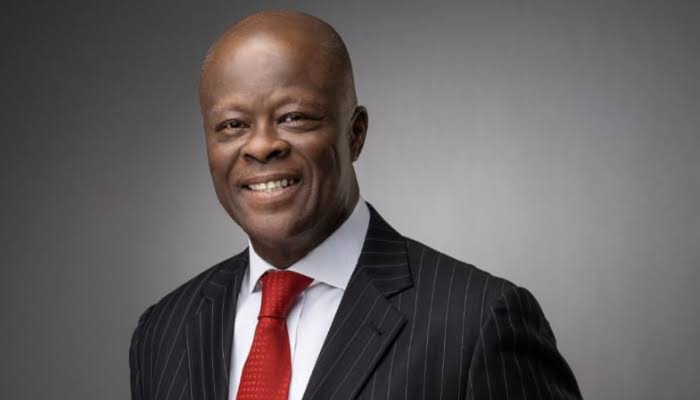
The projection was outlined by the Minister of Finance and Coordinating Minister of the Economy, Mr Wale Edun, during the launch of the Nigerian Economic Summit Group ,NESG, 2026 Macroeconomic Outlook Report in Lagos.
Mr Edun said Nigeria had moved beyond the crisis-management phase of recent years and was now entering a period of economic consolidation, where stability must translate into growth, jobs and improved living standards.
According to the minister, two years of difficult reforms have helped stabilise key macroeconomic indicators, creating a platform for sustained expansion.
Inflation, which peaked above 33% in 2024, declined to 15.15% by December 2025. Foreign exchange volatility has eased, with the Naira trading below N1,500 to the Dollar, while external reserves rose to $45.5 billion.
GDP growth averaged 3.78% by the third quarter of 2025, with 27 sectors recording expansion, Mr Edun said.
He warned, however, that Nigeria could not afford to reverse course.
Mr Edun said Nigeria cannot afford to pause or retreat from its reform agenda adding that the success of the consolidation phase would determine whether recent gains deliver productive jobs and shared prosperity.
The finance minister also addressed public concerns about Nigeria’s rising debt stock, which stood at about N152 trillion, insisting that the increase was largely the result of transparency and exchange rate adjustments rather than fresh borrowing.
He explained that about N30 trillion of the figure reflected previously unrecognised Ways and Means advances, now formally recorded, while nearly N49 trillion resulted from the revaluation of foreign debt following exchange rate reforms.
Despite the higher nominal figure, Nigeria’s debt-to-GDP ratio declined to 36.1% which the minister said remained among the lowest in Africa and well below the global average.
Reviewing fiscal outcomes in 2025, Mr Edun said the government maintained discipline despite revenue pressures, particularly from the oil and gas sector.
The fiscal deficit was kept at about 3.4% of GDP, while non-oil revenue performance improved and allocations to states increased, strengthening fiscal federalism.
He also said the government achieved 84% capital budget execution for 2024 projects during the transition period.
The minister noted that the 2026 Budget of Consolidation, Renewed Resilience and Shared Prosperity, currently under deliberation by the National Assembly, would prioritise growth-enhancing investments.
The budget proposes N58.18 trillion in total spending, including N26 trillion for capital expenditure, representing about 44% of the total budget, one of the largest capital spending plans in Nigeria’s history.
Inflation is projected to average 16.5 in 2026, while the exchange rate is expected to stabilise around N1,400/$1.