By Charles Ebi
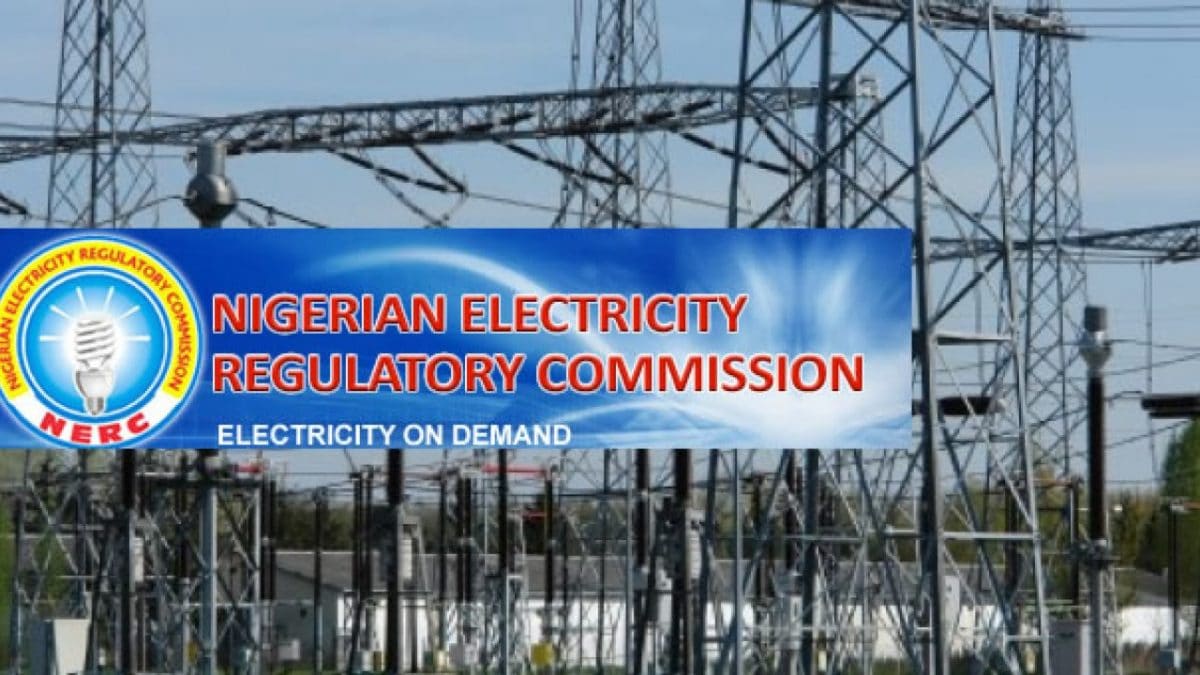
Nigerian Electricity Regulatory Commission ,NERC, has reaffirmed its resolve to enforce strict compliance with power sector regulations despite the persistent financial difficulties facing electricity distribution companies , DisCos.
This assurance came against the backdrop of widespread industry challenges, including electricity theft, meter bypassing, poor bill collection, and a mounting debt cycle that continues to hamper investment in the sector.
Speaking on Electricity Town Hall, a radio programme sponsored by NERC, Mr Folarin Ebiti, a Regulatory Officer in the Legal Licensing and Compliance Division, described the power sector’s woes as a “bleeding body”, crippled by low customer payments and high losses.
“The most fundamental impediment is the severe lack of cash flowing through the sector. Operators cannot meet their obligations because of low collections and high technical and commercial losses.
“This creates a cycle where DisCos struggle to pay Gencos, who in turn are unable to meet obligations to gas suppliers”, Ebiti explained.
He disclosed that DisCos could not be compelled to make billion-dollar investments in meters and infrastructure without adequate cash flow.
Ebiti declared that NERC’s mandate remains to enforce the rules and preserve the sanctity of the electricity market.
Also speaking on the programme, Mr Mutari Aliyu, Manager of Research and Data Analytics at NERC, noted that most cases of non-compliance by Discos are not deliberate but largely driven by financial strain.
“The operators are struggling with financial challenges that make it difficult to comply with some regulations. However, the Commission takes non-compliance seriously and has enforcement mechanisms in place”, Aliyu said.
He added that while metering remains a core obligation under distribution licences, financial constraints have slowed progress.
According to him, NERC is working to close the metering gap through initiatives such as the Mass Metering Programme, the Meter Asset Provider ,MAP, scheme, and the recently introduced Presidential Metering Initiative.
Aliyu further disclosed that the Commission prioritises data integrity to ensure that its regulatory actions are evidence-based.
“We have developed strict templates for data submission. Where errors are detected, our systems automatically reject such entries, and we follow up with the licensees to ensure corrections are made”, he said.
“The book presents a historical and analytical audit of Nigeria’s university system, exploring colonial legacies, the evolution of university funding, and gender inclusion in engineering education.
“Our universities are the engine rooms of national progress. If we reform our universities, we reform our nation,” he said.