… As NUPENG, PENGASSAN reject FG’s planned sale of JV oil assets
By Charles Ebi
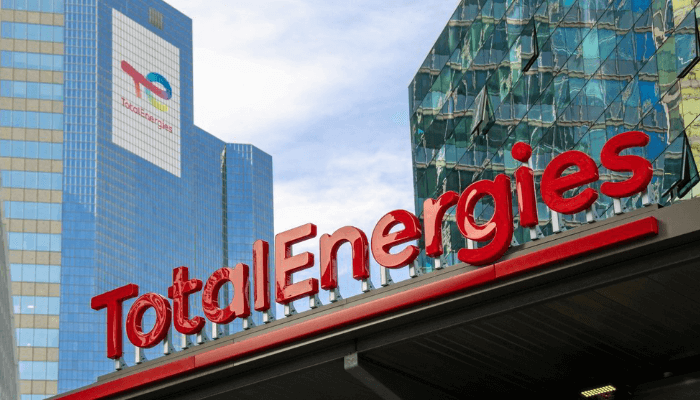
TotalEnergies’ planned sale of a minority stake in a Nigerian onshore oil producer has collapsed after regulators withdrew their earlier approval, in a setback to the French oil major’s strategy to sell mature, polluting assets and pay down debt.
The French oil major had agreed in July 2024 to sell 10% stake in Shell Petroleum Development Company of Nigeria Limited ,SPDC, to Mauritius-based Chappal Energies, one of a wave of divestments by oil majors in recent years of onshore Nigerian oil assets.
The move was part of a broader strategy by international oil companies to divest from mature, pollution-prone onshore assets in Nigeria and channel investment into newer, more profitable operations.
Approval for the sale, originally granted in October 2024, was rescinded because the parties failed to meet key financial obligations tied to the deal, according to Eniola Akinkuoto, spokesperson for Nigerian Upstream Petroleum Regulatory Commission ,NUPRC.
“The ministerial consent was accompanied by certain financial obligations to the Nigerian people with strict deadlines. However, both parties failed to meet their financial commitments after repeated extensions, forcing the commission to cancel the deal”, Akinkuoto said.
A source familiar with the negotiations said Chappal was unable to raise the $860 million needed for the acquisition. This, in turn, prevented TotalEnergies from meeting its own obligations, including regulatory fees and contributions to an environmental remediation fund to cover future liabilities.
The failed deal leaves Total saddled with its stake in a business which has struggled with hundreds of oil spills as a result of theft, sabotage and operational issues that led to costly repairs and .
In March, Shell sold its 30% stake in SPDC to a consortium of five mostly local companies for up to $2.4 billion.
U.S. major Exxon Mobil, Italy’s Eni and Norway’s Equinor have also sold Nigerian assets in recent years to focus on newer, more profitable operations elsewhere.
Chappal Energies, which specialises in producing oil and gas from mature and distressed upstream assets in the Niger Delta, last year successfully closed the purchase of Nigerian assets from Equinor for $1.2 billion, with financial backing from Mauritius Commercial Bank and commodities trader Trafigura.
Chappal has not disclosed its financial backers for the proposed purchase from TotalEnergies.
Other SPDC shareholders include the Nigerian National Petroleum Corporation ,55%, and Eni ,5%.
Total’s unsuccessful exit is a setback to its goal to offload more high cost, polluting assets and pay down some of its debt, which leapt 89% to $25.9 billion in the year to July.
CEO Patrick Pouyanne told investors in July the Nigerian sale was one of three deals that would bring in $3.5 billion before year-end and lower the company’s debt-to-equity ratio, which hit 28% including leases and hybrid debt at mid-year.
The failed sale also leaves Total with interests in 15 licences in mostly oil-producing fields that netted the company about 14,000 barrels of oil-equivalent per day in 2023, as well as three licences in gas fields that account for 40% of its Nigeria LNG gas supply.
Meanwhile, the Nigeria Union of Petroleum and Natural Gas Workers ,NUPENG, and the Petroleum and Natural Gas Senior Staff Association of Nigeria ,PENGASSAN, have opposed the Federal Government’s plan to sell its stakes in Joint Venture ,JV, oil assets.
The two oil unions also condemned in strong, the proposed amendments to the Petroleum Industry Act (PIA).
PENGASSAN President, Mr Festus Osifo, at a world joint news conference on Tuesday in Abuja, said that both policies would destabilise the Nigerian National Petroleum Company Ltd. ,NNPC Ltd, and put the economy at risk.
According to Osifo, the planned sale of government stakes in JV assets would mortgage Nigeria’s future and cripple its oil industry.
“The oil assets belong to the federation, not just the Federal Government, but to all Nigerians and any move to sell them amounts to mortgaging Nigeria’s future.
“Government currently holds between 55 and 60% stakes in JV assets managed in NNPC Ltd. on behalf of the federation.
“Selling these assets for quick cash will undermine our foreign exchange earnings, weaken the Naira and plunge the nation into budget deficits”, he said.
Osifo said that such sales would put the welfare of oil workers at risk, stressing that NUPENG and PENGASSAN constitute the largest workforce in NNPC Ltd.
He added that, if unchecked, it will weaken NNPC, bankrupt the country and endanger generations yet unborn and we say no, no, no to this plan.
On the PIA, Osifo faulted the move to remove the Ministry of Petroleum from NNPC Ltd.’s ownership structure and handover control solely to the Ministry of Finance.
“This is an aberration. Everywhere in the world, national oil companies operate under petroleum ministries. We will resist any attempt to alter this structure”, he said.
He urged the federal government to instead focus on boosting crude oil production, which could be increased from 1.7 million barrels per day to more than 3 million barrels with the right investment climate.
He added that all governments should be focused on how to attract investors and improve production, not quick wins that endanger tomorrow.
He, therefore, urged President Bola Tinubu to intervene and call relevant ministries and agencies to order, stressing that Nigeria could not afford to gamble with its main source of revenue.
“The government must leave our assets alone and focus on boosting crude production, not quick cash that endangers Nigeria’s future”, Osifo said.
On his part, NUPENG President, Mr Williams Akporeha, called on the government to rethink its approach to economic reforms and stop considering asset sales.
“They told us the subsidy was draining funds. We supported its removal in the hope of better infrastructure and security. Now, with more revenue, why sell our remaining assets?” he said.
He said the subsidy removal had already increased revenues flowing into the federation account but lamented that little had been done to address infrastructure and security challenges.
“Now the little assets that the country still has, they also want to sell them. This is not in the interest of Nigerians, nor the oil and gas industry”, he said.
On the proposed amendment to the PIA, Akporeha described it as premature and damaging to investor confidence in Nigeria’s oil sector.
“It is too early to amend the PIA. Investors need stability, not sudden changes. Government must allow the law to work before making adjustments”, he said.
According to him, the amendments being considered are targeted at weakening NNPC Ltd., Nigeria’s only national oil company.
“Every oil-producing country today has a national oil company that plays a huge role in protecting national interests. Why should Nigeria strip its own NNPC of that role”, he asked.