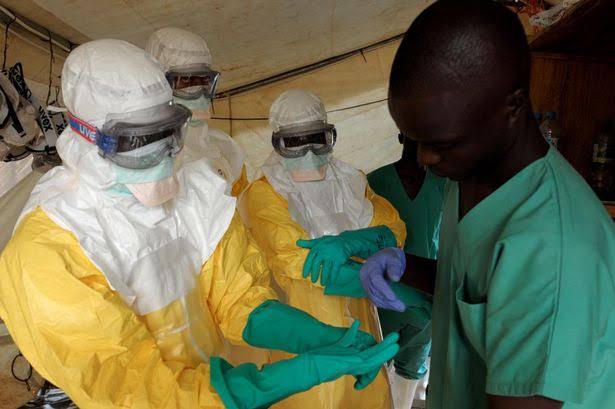
•Avoiding physical contact with anyone showing symptoms such as fever, vomiting, or unexplained bleeding, which were common signs of Ebola infection, says NCDC
By Mariyah Adamu, Abuja
One month after Nigeria Centre for Disease Control and Prevention, NCDC, issued warning of Chikungunya virus following outbreak in China the centre has urged members of the public to “avoid physical contact with anyone showing symptoms such as fever, vomiting, or unexplained bleeding, which were common signs of Ebola infection”.
Besides, the NCDC also assured that at the moment there are no confirmed cases of Ebola Virus Disease, EVD, in Nigeria.
The centre in a statement issued in Abuja, at the weekend amid reports of a new Ebola outbreak in the Democratic Republic of Congo, DRC, quoted its Director-General, Dr. Jide Idris, as saying that the country was on high alert, enhancing surveillance at entry points, healthcare facilities, and communities.
According to Idris, preparedness has been intensified with infection control, border checks, and community risk communication to prevent importation and transmission.
He noted the DRC activated its Public Health Emergency Operations Centre and deployed a rapid response team, receiving support from the World Health Organisation, WHO, to contain the outbreak effectively.
The director-general said the Ebola Zaire strain identified had an approved vaccine, Ervebo, which had been proven effective in controlling outbreaks and protecting vulnerable populations in affected regions.
The DRC Ministry of Health confirmed 28 suspected Ebola cases and 15 deaths on Sept. 4 in Kasai Province, including four health workers, identifying the Ebola Zaire strain as the outbreak’s cause.
The outbreak has spread across Bulape and Mweka health zones and recorded a mortality rate of 57%, raising concerns over the disease’s high fatality and potential for further spread.
He urged frequent handwashing with soap and water as regular hygiene, a key preventive measure to reduce transmission risk from contact with infected surfaces or individuals.
Idris, warned against consuming raw or undercooked bushmeat and cautioned against contact with fruit bats, monkeys, and apes, which were known reservoirs for the Ebola virus in wildlife.
He encouraged Nigerians to report suspected Ebola cases or unusual illnesses, especially among those with recent travel to affected areas, by calling the NCDC toll-free line 6232 for prompt response.
Healthcare workers were advised to maintain a high index of suspicion, strictly follow infection prevention protocols, and report any suspected cases immediately to aid rapid containment and treatment efforts.
Idris, further issued travel advice, urging Nigerians to avoid all but essential trips to countries currently experiencing Ebola outbreaks to minimise the risk of exposure and disease importation.
He assured the public that NCDC would provide timely updates while collaborating with international partners to monitor the evolving situation in the DRC and other affected African regions.
Idris, explained that the outbreak has affected the Bulape and Mweka health zones, with investigations showing symptoms such as fever, vomiting, diarrhoea, and haemorrhage or bleeding
“Samples tested at the National Institute of Biomedical Research in Kinshasa confirmed the Ebola Zaire virus as the causative strain.
“The mortality rate is estimated at 57%, although investigations and laboratory analyses are ongoing to refine the situation”, Idris stated.
He noted that the DRC has activated its Public Health Emergency Operations Centre and deployed a National Rapid Response Team with support from the World Health Organisation WHO, to strengthen surveillance, infection prevention and control, laboratory diagnostics, and case management.
Commenting on Nigeria’s preparedness,
“The NCDC, in collaboration with relevant Ministries, Departments, Agencies, and Partners, continue to monitor disease occurrence and initiate measures to strengthen our preparedness in the country.
“Ongoing effort includes heightened surveillance, especially at our borders and points of entry. There are also ongoing efforts to strengthen infection prevention and control measures in healthcare facilities across the country.
“Our risk communication and community engagement structures have also been alerted to ensure timely and accurate information is provided to Nigerians as well as track and address perceptions, rumours and misinformation”, he said.
“We will continue to monitor the regional and global situations. There are no cases of Ebola virus disease in Nigeria, as of now”, he said.
Idris, urged Nigerians to practice good hand hygiene, avoid contact with persons showing symptoms of infection of unknown diagnosis, reduce risks of wildlife-to-human transmission by handling animals with protective gear, and avoid direct contact with the blood and body fluids of suspected or confirmed Ebola patients.
He also cautioned travellers. “We advise citizens to avoid all but essential travel to countries with confirmed Ebola cases. Anyone in Nigeria with a recent travel history to such countries who experiences symptoms should immediately call 6232 or their State Ministry of Health hotline for guidance”, he warned.
While vaccines and therapeutics exist for some Ebola strains, “early recognition, isolation of patients, and initiation of supportive treatment remain critical in reducing deaths and limiting transmission”, Idris said.
AljazirahNigeria reports that Nigeria’s only Ebola outbreak occurred in 2014, when the virus was imported from Liberia by a traveler, Mr Patrick Sawyer, resulting in 20 cases and eight deaths before successful containment.
Ebola virus disease, formerly known as Ebola haemorrhagic fever, is a severe and often deadly disease with a fatality rate between 25% and 90%.
The incubation period ranges from 2–21 days.
Early symptoms include sudden onset of fever, intense weakness, muscle pain, headache, and sore throat, followed by vomiting, diarrhoea, and in severe cases, uncontrolled bleeding, organ failure, and death.
However, the NCDC has assured that it will continue to strengthen border surveillance, enhance laboratory capacity for rapid testing, and coordinate with the WHO and African regional health authorities to monitor developments.