•Policy will worsen cost of living, stakeholders say
•Transport, energy running costs expected to escalate
•Why impose more taxes on already struggling citizens, Obi queries
Well mobilise Nigerians against it – JAF
•As masses gear up for more anguish
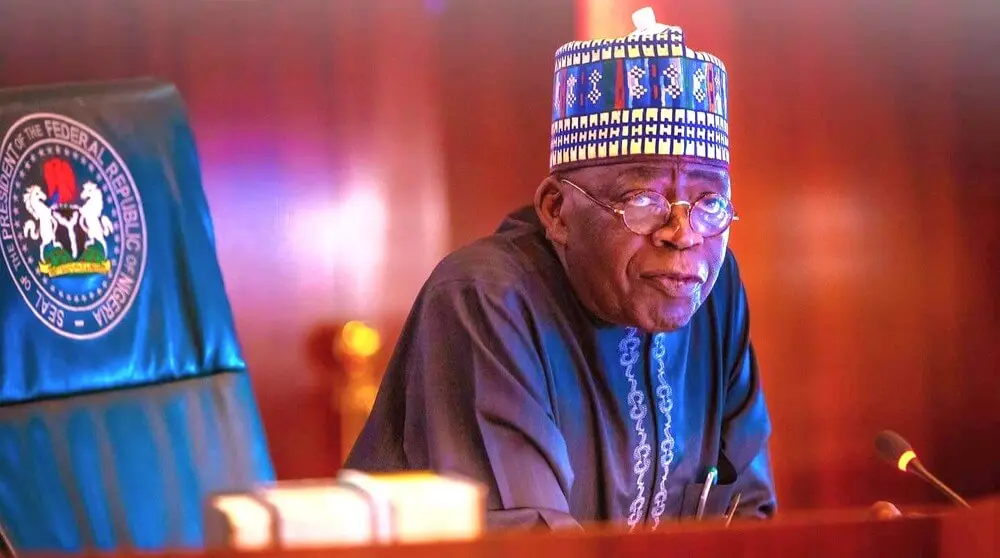
As Nigerians continue to groan under the economic woes occasioned by President Tinubu’s removal of petroleum subsidy on May 28, 2023, the stakeholders have raised the alarm over the planned implementation of 5 % surcharge on refined petroleum products purportedly starting January 1, 2026, saying it will only compound the suffering of the masses, JIBRIN NDANUSA writes.
While Nigerians continue to groan under the weight of fuel subsidy removal and its associated economic hardships, with no respite in sight, the nation was jolted by the announcement of an impending additional ₦45 per litre of fuel from 2026, should the current price remain at ₦900.
This increase stems from a five per cent surcharge on refined petroleum products, as provided in the 2025 Nigeria Tax Administration Act, introduced to encourage the transition to clean energy.
The surcharge, contained within one of four tax reform bills signed into law by President Bola Tinubu on 26 June 2025, is slated for implementation in January 2026. However, the Act stipulates that the precise date remains subject to the approval of the Minister of Finance and Coordinating Minister of the Economy, Wale Edun. The Minister may, by Order published in the Official Gazette, indicate the effective date for the commencement of this surcharge on fossil fuel products, the Act states.
Although the Federal Government has presented the Act as a means to boost non-oil revenue and ensure fiscal sustainability, it has been widely criticised as yet another policy bound to exacerbate the hardship of ordinary Nigerians.
Mr Peter Obi, the 2023 Labour Party presidential candidate, urged the suspension of the tax until citizens begin to see tangible benefits from the administrations economic reforms. In a statement on his verified X handle titled When will Nigerians truly breathe?, Obi argued that leadership should focus on alleviating suffering, not compounding it. He described the timing of the levyon all refined fossil fuels including petrol and dieselas grossly insensitive, given the prevailing high cost of living. Nigerians will pay a five per cent tax at a time when millions can scarcely afford transportation, he said, pointing out that, despite government claims of meeting revenue targets, citizens had yet to witness improvements in education, healthcare or poverty reduction.
He further lamented the rising price of Compressed Natural Gas, CNG, which had doubled from about ₦230 to ₦450 per unit, despite earlier subsidy promises. “If revenues are truly ‘excessive’, should they not first be used to fund education, healthcare and lift Nigerians out of poverty? Why impose more taxes on people already struggling?” he asked.
Echoing his concerns, Mrs Juliet Alohan-Ukanwosu, Executive Director of Extractive360, condemned the surcharge as ill-timed. At a period when Nigerians are already severely weighed down by the cost of living, taxing an essential commodity like petrol is poorly thought through. It portrays government as insensitive to the plight of the people. The resulting multiplier effect will drive more Nigerians into dire straits. Worse still, this comes as government contemplates pay rises for political office holders, while the masses receive nothing but further policies capable of deepening their poverty, she said.
Mr Tijan Bolton, Executive Director of Policy Alert, stressed that the immediate effect of the surcharge would be higher pump prices, disproportionately impacting the poor and middle class. Nigerians are still reeling from the subsidy removal, a flagship policy imposed without adequate alternatives or safeguards for the poorest. Many households now spend over half of their income on fuel. In communities where we work, most households have reverted to firewood for cooking, with grave consequences for health and the environment. This policy will escalate transport and energy costs, depress productivity in agriculture and manufacturing, and drive inflation further.
From a climate perspective, he added, the policy risks being counterproductive. The assumption that the surcharge will discourage fossil fuel use ignores the underdeveloped state of Nigeria’s renewable energy sector. Consumers cannot transition without affordable, accessible alternatives. Even the gas infrastructure touted.
Consumers can only make the transition when alternatives are both accessible and affordable. The government still has considerable work to do in this regard. Even the infrastructure and market for gas, touted as a transitional fuel, are clearly unprepared for such a shift.
Also commenting, Olatide Jeremiah, Chief Executive of Petroleumprice.ng, described the measure as an insensitive tax policy by the Federal Government. He noted that the downstream sector is already overburdened with multiple levies from the Nigerian Midstream and Downstream Petroleum Regulatory Authority, NMDPRA. This proposed tax will only add to the landing cost of petroleum products at the pump. Current prices have already had indirect but severe impacts on the economy, further driving up the cost of goods in the market. I call on the Federal Government to review this policy, as Nigerians cannot afford to pay more at the pump, he said.
n the same vein, Mazi Colman Obasi, National President of the Oil and Gas Service Providers Association of Nigeria, OGSPAN, remarked: This government has already inflicted enough suffering on Nigerians. This tax policy demonstrates its determination to impose yet more hardship on the masses. Many Nigerians can no longer feed themselves. Government must explain how this tax will improve peoples liveswe simply do not see how. Other oil-producing nations use their resources to improve the lot of their citizens, but in Nigeria the reverse is the case. This is a bad tax policy and it must be reviewed.
Responding, the Joint Action Front, JAF, a coalition of pro-labour civil society organisations, rejected the surcharge outright and pledged to mobilise against it. Its Secretary, Abiodun Aremu, stated: JAF rejects this imposition and will do everything possible to organise, mobilise, and struggle alongside the people to resist and defeat such hardship. Why must we endure a government, or a clique of leaders, whose only agenda is to keep workers, the poor and the majority in perpetual suffering, servitude, agony and despair?
What crime have Nigerians committed that every policy, action or inaction of government is directed towards inflicting greater pain? We call on Nigerians to prepare to fight and resist this cruel and unjust plan to impose a five per cent petroleum consumption tax on already impoverished citizens.
For many ordinary Nigerians, the prevailing sentiment is one of resignation. Speaking to AljazirahNigeria, Mama Chinelo, a trader at Kpakungu Market in Minna, Niger State, said: Do we, the ordinary people, have any choice but to bear whatever hardship the government imposes on us? If we protest to press home our demands, they will fire live bullets at us, killing or maiming, or hire thugs to attack us.
If we turn to the courts, which are supposed to be the peoples last hope, even if judgments are in our favour, they will simply be ignored. So we are left with no option but to brace ourselves for more difficult times. Transport fares, which we already struggle to pay, will rise again, and this will inevitably increase the cost of every other commodity and service. Truly, we are at the mercy of God.