

By Yahaya Umar, Abuja
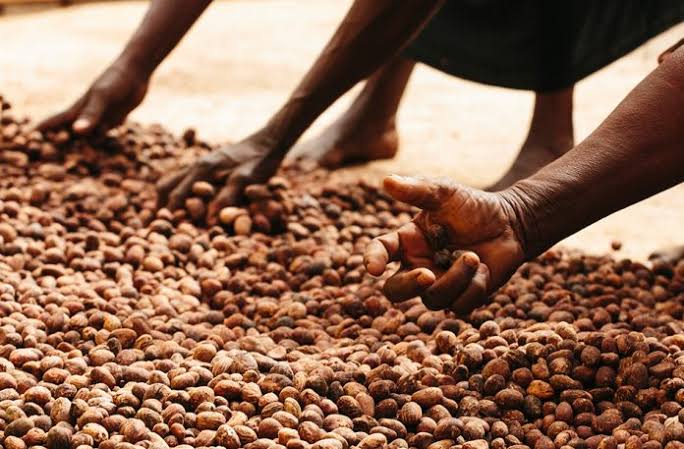
Stakeholders have commended President Bola Tinubu’s approval of a six-month temporary ban on the export of raw shea nuts ,Vitellaria paradoxa.
It would be recalled that the approval which takes immediate effect, was conveyed through the Office of Vice President, Kashim Shettima.
Shettima stated that, “We are not closing doors, we are opening better ones. Today, we plant the seeds of an industry that will yield fruit for decades to come; for our women, economy and for Nigeria’s place in global trade”.
The decision followed a rapid assessment by the Presidential Food Systems Coordinating Unit, PFSCU.
The assessment revealed that despite producing nearly 40% of the world’s shea nuts; an estimated 350,000 metric tonnes annually, Nigeria captures less than 1% of the global shea market, valued at $6.5 billion. This strategic policy is designed to protect and grow Nigeria’s domestic shea industry by halting the annual loss of over 90,000 metric tonnes of raw shea to informal cross-border trade.
The ban will secure raw materials for local processors who currently operate at only 35-50% capacity—boost jobs and incomes in rural communities and protect a value chain where 95% of pickers and processors are women.The decision positions Nigeria alongside regional leaders in shea production, including Ghana, Togo, Mali, and Burkina Faso, that have already implemented similar restrictions to develop their local processing industries and retain value within their economies.
Speaking to stakeholders, the PFSCU Data and Impact Assessment Manager, Eniola Akindele underscored the untapped potentials in the shea value chain. “Shea has the potential to become Nigeria’s untapped goldmine. Beyond its well-known use in cosmetics, it is increasingly in demand as a substitute for cocoa in global chocolate and confectionery industries. With the right processing capacity and investment platforms, Nigeria can transform its currently underutilised shea value chain into a billion-dollar industry, one that creates jobs, empowers women and significantly boosts our foreign exchange earnings.
”Key agricultural stakeholders have hailed the presidential directive as a transformative game-changer for the Nigerian economy.
National President, Nigeria Agribusiness Group, NABG, and All-Farmers Association of Nigeria AFAN, Kabir Ibrahim, stated that: “This is a pivotal moment for Nigeria’s agricultural industrialisation. For decades, we have exported raw shea nuts only to import the finished products at a much higher cost. This policy corrects that imbalance. It is a strategic imperative that will stimulate investment in local processing facilities, create thousands of jobs for our youths and women in rural communities and significantly increase our national export earnings from a commodity we are blessed with in abundance.
“We commend President Tinubu, for this bold and visionary action, and we hope that this initiative is extended to other value chains as well.
”Across the West African corridor, value addition for shea nut has been a big topic. Regional neighbours such as Ghana, Burkina Faso, Mali, and Togo have already imposed restrictions to protect their industries, leaving Nigeria as the outlier and a hotspot for opportunistic and unregulated buying” the Minister for Agriculture and Food Security, Senator Abubakar Kyari, noted.
Stakeholders emphasised that the synchronised action across West Africa is a powerful signal to the global market. Nigeria should not just be a supplier of raw materials; it should be a manufacturer and exporter of finished goods. This collective stance by shea-producing nations will give Africa the much needed negotiating power and ensure that the wealth generated from its natural resources benefits its people, communities and economies.
Many stakeholders who expressed enthusiasm over the ban are hopeful that this is the beginning of a new trend where value addition is domesticated in Africa, thereby reversing the historic trend of exporting raw materials and importing processed goods.
Furthermore, stakeholders urged the federal government to give more clarity as to the implementation and enforcement of the new policy, to prevent smuggling and other risks.
On the other hand, government has announced that within the next three months, Nigerian shea butter and oil will have prioritised access into the Brazilian market; an opportunity, if well leveraged, can bring huge gains to the industry.