By Anthony Ochela, Abuja
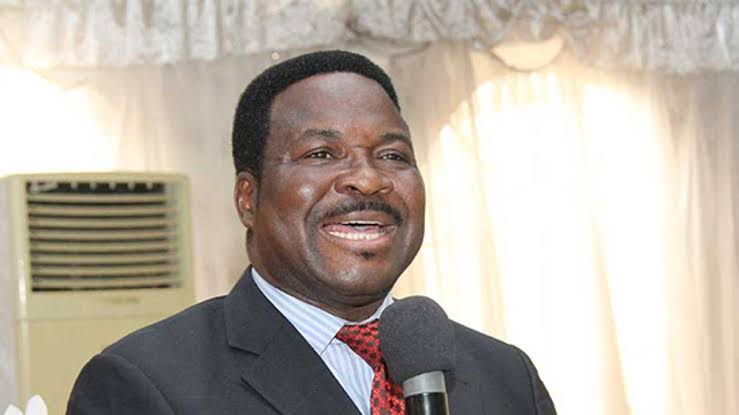
Constitutional and human rights lawyer, Prof Mike Ozekhome, SAN, has maintained that most of the states that make up the Federal Republic of Nigeria, today are not viable and as such saw no reason why more states should be created in the country.
Ozekhome, in an interview, blamed the conditions of the states on the “skewed federal template” being operated in form of a unitary system of government and called for a complete overhaul of the 1999 Constitution.
According to him, the present Constitution is not only cumbersome with the center vested with too much powers and responsibilities but was a product of the military class which has ruled Nigeria for quite some times.
He spoke at a “Walk for Wellness” campaign embarked upon by the Mike Ozekhome Chambers (MOC) in Abuja.
“Some of us are now saying rather than create more states we should collapse the present structure into about six geopolitical zones, which should serve as regional government.
“A parliamentary system of government operating on regional bases will be more beneficial to the people because it will catalyze development and competitiveness among the regions. Right now, no state is competing, all of them just go to Abuja at the end of the month to take from the federation account to share”, he said.
The senior lawyer lamented that Nigeria has become a sharing country which is not baking anything because they don’t care or even know how to bake anything.
According to him, while Nasarawa has the highest mineral deposits of over 36 items, followed by Plateau with 28 items with Sokoto and Kaduna States in that order, the entire country still rely on crude oil “which is fast losing its value across the world.
“I will suggest that if we are to retain the state structure, we should retain the states as a federating units, thus having two tiers of government” he said, leaving local government to the states.
Adding: “the only state I will have said should be created right now should be in the South East, to bring them to equity with other geopolitical zones in the country.”