From CHARLES ONYEKWERE
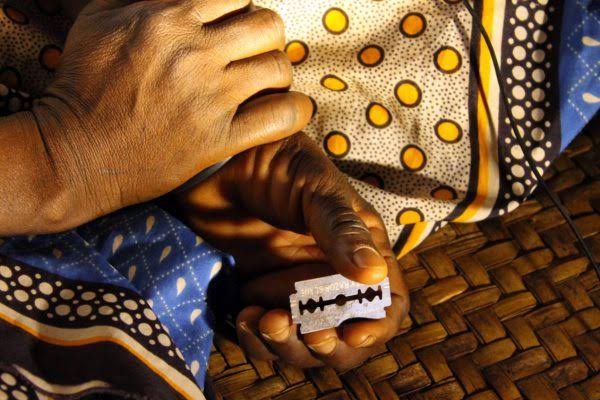
Prevalence of Female Genital Mutilation, FGM, in Abakaliki Local Government Area of Ebonyi State significantly dropped by 90 percent, according to a cultural analyst, Professor Anthony Ugwu.
Speaking to AljazirahNigeria yesterday, Professor Ugwu, a retired Deputy Director of the National Orientation Agency, NOA, credited the remarkable reduction to sustained government intervention and policy implementation.
Despite the progress, Ugwu noted that poor network system and inadequate awareness in rural communities remain significant barriers to the complete eradication of the practice.
He explained that FGM had been deeply rooted in tradition for centuries, making it difficult to eliminate entirely.
He commended the critical role played by USAID, UNICEF, state and federal governments, which helped in tackling FGM in Abakaliki.
He, however, urged the authorities to intensify awareness campaigns and deploy more qualified personnel to remote areas to achieve total eradication.
“Before now, circumcision was seen as a cultural norm, widely accepted and practiced. However, over the last 20 to 25 years, cases have been on the decline. As a cultural analyst, I can confidently say that we are witnessing a significant drop,” Ugwu stated.
Dismissing claims that FGM is on the rise in Abakaliki, he insisted that the real challenge lies in secrecy within rural communities.
Emphasising that female genital mutilation remains a serious public health issue, Ugwu called for enhanced orientation programme to fully eliminate the practice.
The United Nations Children’s Fund recently ranked lmo and Ebonyi States as highest in FGM prevalence in the South East region.