BY ANTHONY OCHELA, ABUJA
The National Human Rights Commission has reiterated the importance of the development and implementation of comprehensive language policies that recognise and protect the rights of all language communities in Nigeria.
The Commission’s charge is contained in a statement to Nigerians as the country joins the rest of the global community to commemorate the International Mother Language Day being marked today.
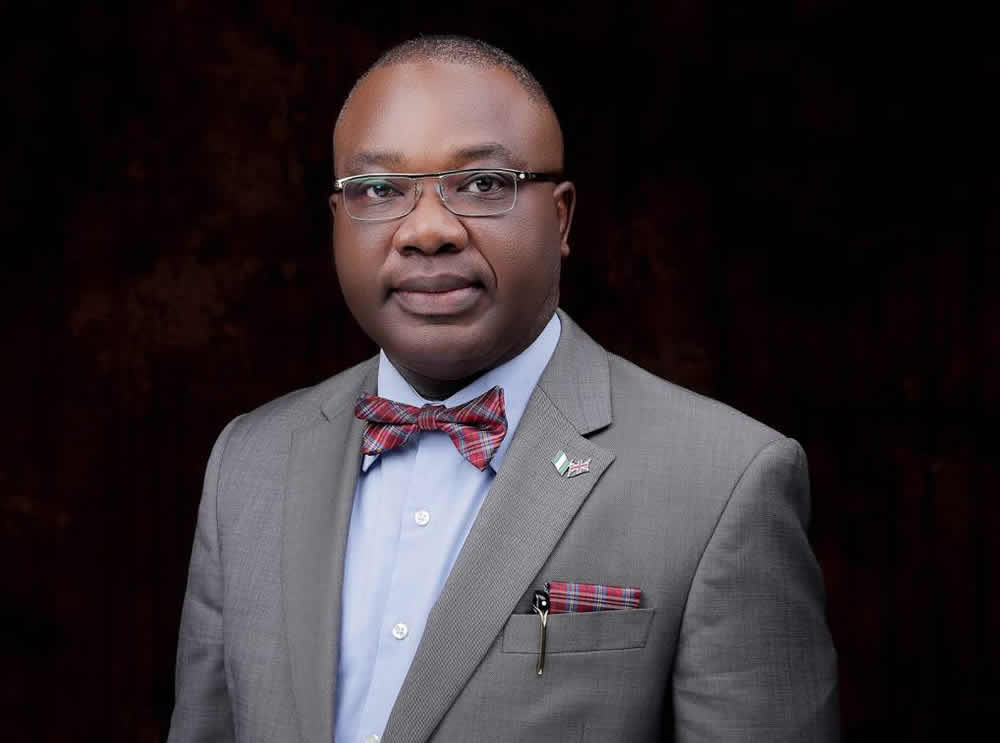
The Executive Secretary, NHRC, Dr Tony Ojukwu, SAN, said such efforts will ensure that language is not a barrier to accessing public services, such as healthcare, education, justice and human rights protection.
Dr. Ojukwu called on Nigerians to protect the mother languages and further push for the right to freedom of expression towards realising the benefits of linguistics diversity.
While highlighting the significance of the day, Dr. Ojukwu stated that Nigeria is a country whose citizens speak over 500 languages, therefore human rights education and advocacy will be seamless when people hear about human rights in their local languages.
He noted that “linguistic diversity is a source of national pride and strength in Nigeria. However, many of these languages are facing the threat of extinction due to various factors, including the dominance of English as the official language and the lack of resources and support for the promotion and preservation of indigenous languages.”
According to him, “the protection of mother languages is not only a matter of cultural preservation but also a human rights issue.
“The right to use one’s mother language is enshrined in various international human rights instruments, including the Universal Declaration of Human Rights and the International Covenant on Civil and Political Rights and in the 1999 Constitution of the Federal Republic of Nigeria (as amended).
“Therefore, the marginalization and neglect of indigenous languages can have profound impact on the enjoyment of other human rights, such as the right to freedom of expression, and participation in cultural life.
“When people are denied the opportunity to use their mother language, they are often excluded from decision-making processes which may directly affect them,” Ojukwu noted.
The ES further noted that “we have witnessed how the lack of language access has contributed to the marginalization of certain ethnic groups and the perpetuation of social inequalities”.
He said the NHRC, as a National Institution that promote and protect human rights, they call on the government and all relevant stakeholders to take concrete steps to protect and promote the linguistic diversity of the nation.