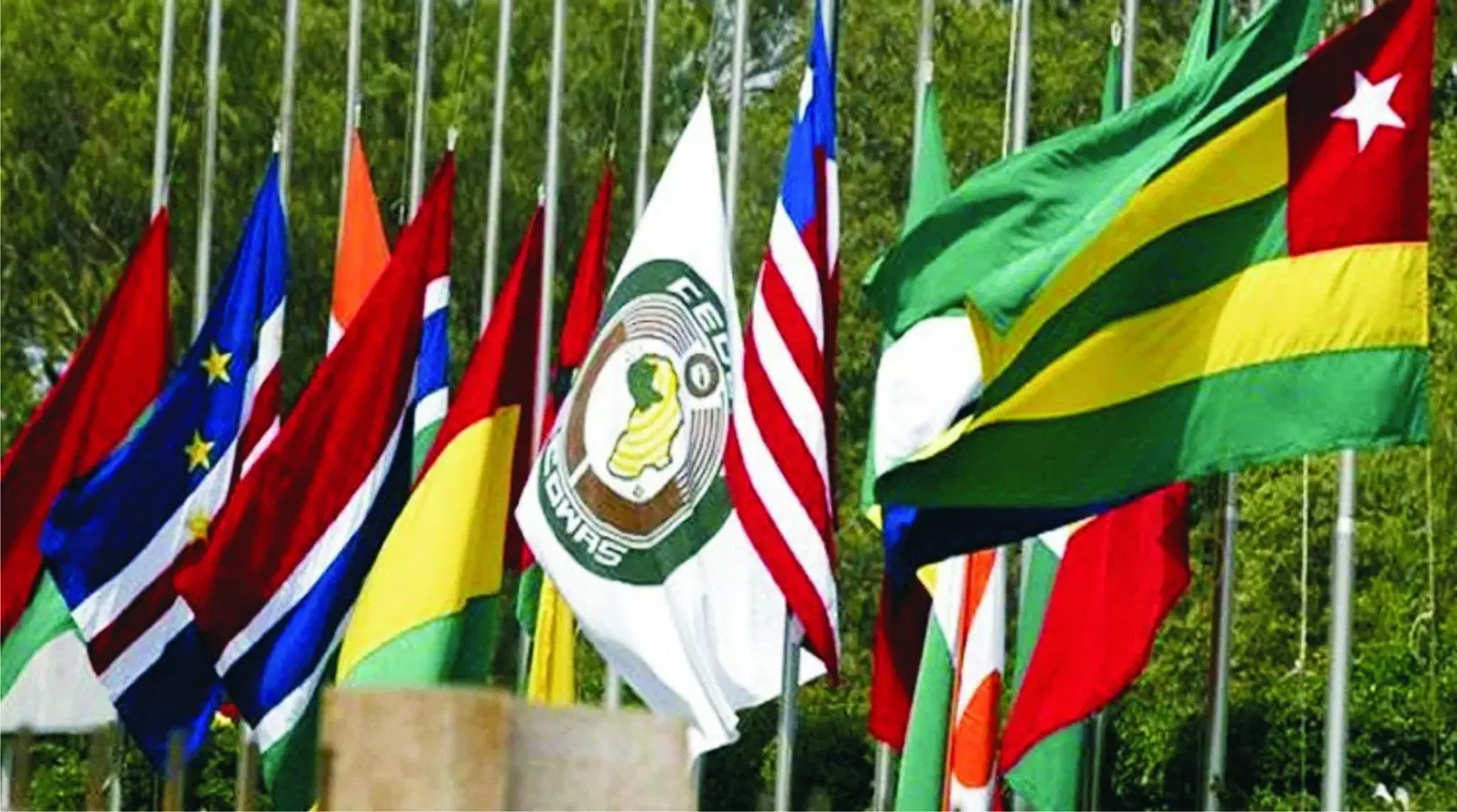
Leaders of the Economic Community of West African States (ECOWAS) have signed an agreement approving the construction of the Nigeria-Morocco Gas Pipeline (NMGP), a major regional energy project expected to connect Nigerian gas supplies to Morocco and eventually Europe.
The agreement was endorsed on Sunday during the ECOWAS Heads of State and Government Summit held in Freetown, the capital of Sierra Leone.
The proposed pipeline, which will stretch approximately 6,000 kilometres (3,700 miles), is expected to pass through 13 countries along Africa’s Atlantic coastline before linking with the Maghreb-Europe gas pipeline in Morocco.
Announcing the development, ECOWAS Chairman and President of Sierra Leone, Julius Maada Bio, confirmed that member states had formally endorsed the project.
“We have already signed the West Africa-Morocco gas pipeline,” Bio said.
“Don’t be surprised when the gas comes your way.”
In a joint statement, Morocco’s National Office of Hydrocarbons and Mines (ONHYM) and the Nigerian National Petroleum Company (NNPC) Limited said the project is designed to transport Nigeria’s abundant natural gas resources to regional markets while strengthening energy cooperation across West Africa.
According to both organisations, the pipeline is expected to deepen the integration of Africa’s energy markets and establish a strategic development corridor connecting West Africa, the Sahel region, Morocco and Europe.
They disclosed that the next phase of the project will involve the establishment of a dedicated project company headquartered in Casablanca, Morocco, alongside a governing authority that will be based in Abuja, Nigeria.
The two organisations added that investors would subsequently be invited to participate before a final investment decision is reached.
An official from ONHYM said construction of the pipeline is expected to commence in 2028, while the first gas deliveries are projected for 2031.
The Nigeria-Morocco Gas Pipeline is estimated to cost approximately 27 billion US dollars.
The ambitious energy project was first proposed in 2016 during an official visit by Morocco’s King Mohammed VI to Abuja.
Analysts believe renewed interest in the project has also been influenced by Algeria’s decision in 2022 to suspend gas exports to Spain through Morocco following the deterioration of diplomatic relations between both North African countries.
Once completed, the pipeline is expected to enhance regional energy security, stimulate economic development, expand access to natural gas across participating countries and strengthen Africa’s position in the global energy market.