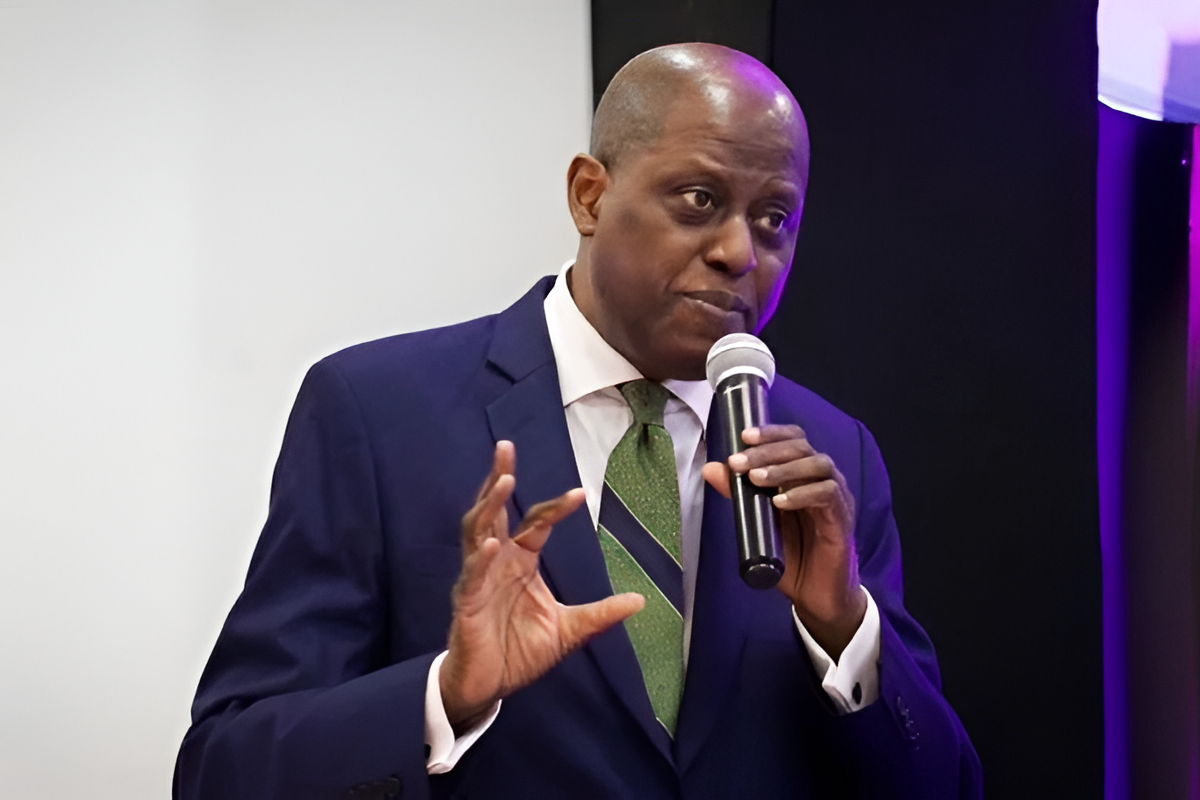
Governor of the Central Bank of Nigeria (CBN), Olayemi Cardoso, has disclosed that the country’s net foreign exchange reserves have increased significantly from approximately $3 billion at the beginning of the current economic reform programme to about $40 billion.
According to him, the sharp increase reflects improved external liquidity, stronger investor confidence and the positive impact of ongoing reforms in Nigeria’s foreign exchange market.
Cardoso made the disclosure on Thursday while speaking at the BusinessDay CEO Forum held in Lagos.
He also revealed that Nigeria’s gross external reserves had risen to approximately $52 billion as of Wednesday.
The CBN governor explained that the improvement in net reserves represents one of the major achievements recorded since the implementation of economic reforms aimed at stabilising the country’s macroeconomic environment.
“When we started, the net exchange reserves figure was in the region of about $3 billion-plus. And if you remember, that was a figure that was published at the time by J.P. Morgan and created a lot of panic in the system,” Cardoso said.
He noted that rebuilding the country’s reserve position has been a critical component of efforts to restore confidence in Nigeria’s economy and create a more transparent and stable foreign exchange market.
According to Cardoso, the improvement demonstrates that the policies introduced by the apex bank are gradually yielding the desired results.
He explained that a stronger reserve position enhances Nigeria’s ability to withstand external shocks while boosting confidence among local and international investors.
The CBN governor urged business leaders and corporate executives to take advantage of the improved macroeconomic environment by positioning their businesses for the next phase of economic expansion.
He stressed that economic stability should not be viewed as an end in itself but rather as the foundation upon which sustainable investment and long-term prosperity can be built.
Cardoso maintained that the reforms were deliberately designed to strengthen investor confidence, improve liquidity and create conditions capable of attracting both domestic and foreign investments.
He said businesses operating in Nigeria now have greater opportunities to expand as confidence gradually returns to the economy.
According to him, increased investment would stimulate productivity, create employment opportunities and contribute to overall economic growth.
The governor noted that the reforms currently being implemented are intended to correct longstanding structural distortions in the foreign exchange market that had previously undermined confidence in the Nigerian economy.
He expressed optimism that the progress recorded in rebuilding reserves and stabilising the foreign exchange market would encourage more investors to commit long-term capital to Nigeria.
Cardoso reiterated that the country has now reached a stage where stability can support broader economic transformation if businesses take advantage of the opportunities being created.
“So, in a nutshell, I do believe that where we are now, we’ve achieved that hard-earned stability, and with stability comes potential for investment, and with investment comes growth, and all our local CEOs should be part and parcel of that train that is moving,” Cardoso said.
The CBN governor’s comments come as Nigeria continues implementing economic reforms aimed at rebuilding external reserves, improving liquidity in the foreign exchange market and strengthening confidence in the country’s financial system.
The reforms have also focused on addressing long-standing inefficiencies and distortions in the foreign exchange market while positioning the economy for sustainable growth.