By Joel Ajayi
In Nigerian sports, genuine transformation is often driven not only by government policies but also by visionary individuals who invest their time, resources, and passion in creating lasting change.
One such figure is Kingsley James Awodi, a businessman, philanthropist, sports enthusiast, and the newly elected President of the Nigeria Para Powerlifting Federation.
To many within the sporting community, Awodi’s emergence as federation president on July 1, 2026, was not merely the outcome of an election. It was the culmination of years of quiet service, strategic investment, and unwavering support for athletes, particularly those in para sports.
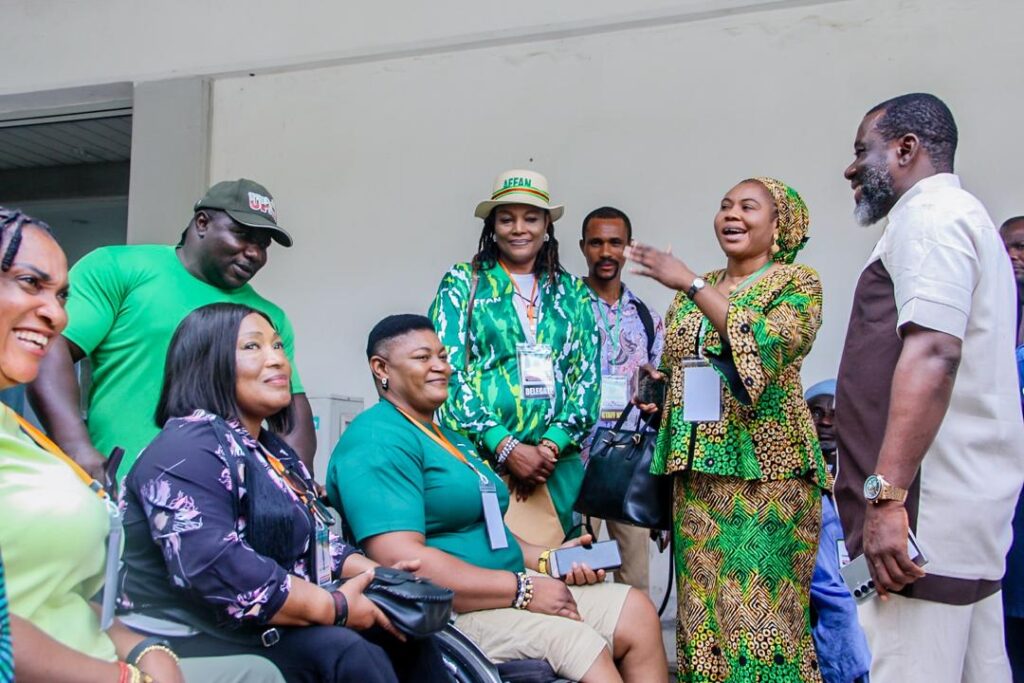
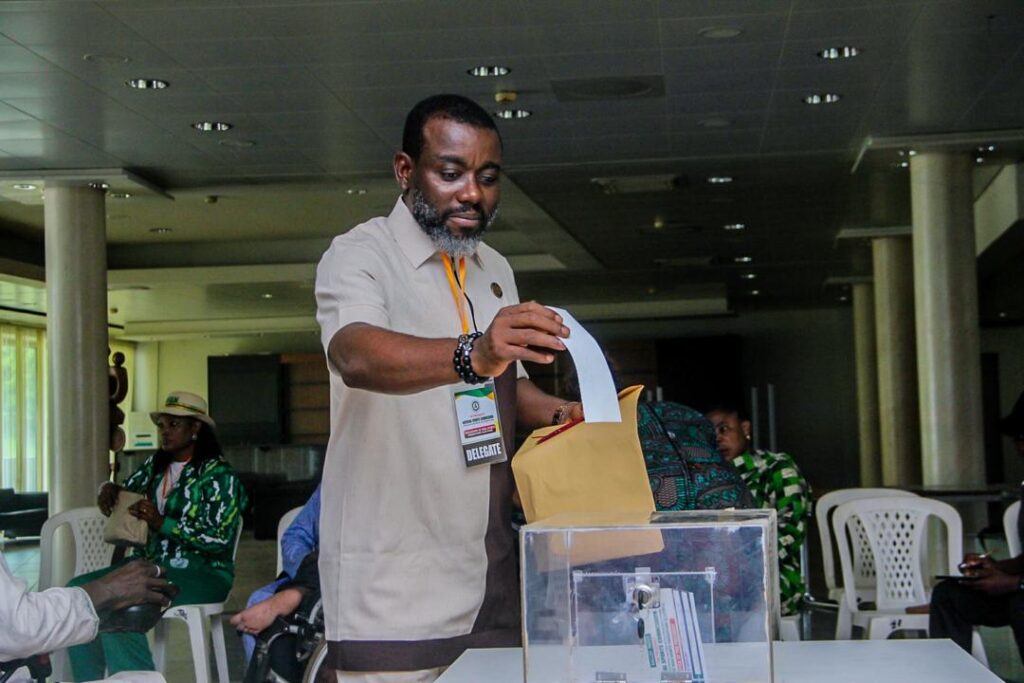
His unanimous election by delegates was widely viewed as a reward for consistency rather than a political victory.
Kingsley Awodi, a native of Benue State who was born in Kaduna State, is the Chairman of Afrikings Homes Limited, one of Nigeria’s growing real estate and infrastructure development companies.
Known for his calm disposition, humility, and soft-spoken personality, Awodi has built a reputation as a developer who believes that infrastructure is central to national growth. While his business interests span housing and construction, his passion for sports development has increasingly become one of the defining aspects of his public life.
Unlike many corporate leaders who limit their involvement to sponsorship announcements, Awodi has consistently chosen hands-on engagement, believing that meaningful investment should produce measurable impact.
His commitment to sports development became evident in 2023 when Afrikings Homes Limited embraced the Federal Government’s Adopt-A-Pitch Initiative, introduced by then Minister of Youth and Sports Development, Sunday Dare.
The company adopted Practice Pitch One at the Moshood Abiola National Stadium, Abuja, committing not only to rehabilitate the facility but also to maintain it for two years after completion up till today the training pitch still stand tall.
The initiative represented far more than corporate social responsibility.
At a time when many sporting facilities across Nigeria were deteriorating due to inadequate maintenance, Awodi saw an opportunity to contribute to rebuilding the country’s sporting infrastructure.
True to his word, work on the practice pitch progressed rapidly.
What was initially projected as an eight-week rehabilitation project advanced ahead of schedule, demonstrating Afrikings Homes’ efficiency and commitment to quality delivery.
The successful re-grassing project reinforced his belief that private sector participation remains essential for the growth of Nigerian sports.
While infrastructure development earned him national recognition, it was his unwavering support for para-athletes that endeared him to the Nigerian sporting community.
Long before assuming office as federation president, Awodi had become a familiar face at national camps, open trials, international competitions, and training sessions.
Unlike many sponsors whose involvement ends after presenting cheques, Awodi remained physically present with athletes, offering encouragement and sharing in both their challenges and successes.
His commitment extended beyond financial donations.
He became a mentor, supporter, and advocate for athletes whose achievements often received less public attention despite bringing immense glory to Nigeria.
His belief was simple: para-athletes deserve the same opportunities, respect, and support as every other elite athlete representing the nation.
One of Awodi’s most significant contributions came through the establishment of the Kingsley Awodi Para Powerlifting Open Championship, a competition designed to strengthen Nigeria’s talent pipeline.
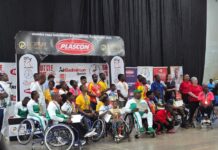
Held in Abuja from May 1 to May 3, 2026, the championship attracted more than 100 athletes from across the country.
The event offered over ₦5.4 million in prize money while also providing valuable ranking opportunities and competitive exposure for emerging lifters.
For many participants, it was more than a competition—it was a chance to earn recognition, improve financially, and compete under international-standard conditions.
The championship also served as an important selection and preparation platform ahead of the African Open Para Powerlifting Championship in Algeria.
Awodi’s investment reflected a broader philosophy that athletes perform better when consistent competitions and incentives are available throughout the year.
Rather than waiting for international events, he believed Nigeria must create sustainable domestic competitions capable of producing future champions.
His commitment to athlete welfare did not stop there.
As Team Nigeria intensified preparations for the 2026 Commonwealth Games, Awodi once again demonstrated his generosity by providing financial grants to Commonwealth-bound para powerlifters.
The gesture boosted morale within the camp and reinforced his long-standing commitment to ensuring athletes remain focused on performance rather than financial uncertainty.
For many athletes, the support arrived at a crucial period of final preparations.
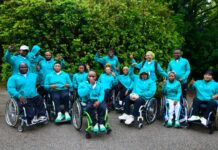
Perhaps one of Awodi’s most emotional public appearances came on May 28, 2026, when Nigeria’s victorious para-powerlifting team returned from the African Open Para Powerlifting Championship in Oran, Algeria.
The team arrived home with an outstanding 49 medals—comprising 32 gold, 12 silver, and five bronze—to finish second overall behind Egypt.
Awaiting them at the Nnamdi Azikiwe International Airport, Abuja, was Kingsley Awodi.
Rather than allowing the athletes to return quietly, he joined officials and supporters in giving them a heroes’ welcome befitting continental champions.
Congratulating the athletes, Awodi praised their courage, resilience, discipline, and patriotism.
His presence further strengthened the bond he had built with the athletes over the years.
Given his years of commitment, Awodi’s election as President of the Nigeria Para Powerlifting Federation came as little surprise.
At the federation’s elective congress held at the VIP Lounge of the Moshood Abiola National Stadium, delegates from across the country elected him unopposed, securing all 12 available votes.
The unanimous mandate reflected the confidence stakeholders had in his ability to lead the federation into a new era.
Alongside Vice President Patrick Akukeke, M.O.N, Awodi now assumes responsibility for steering one of Nigeria’s most successful sports federations over the next four years.
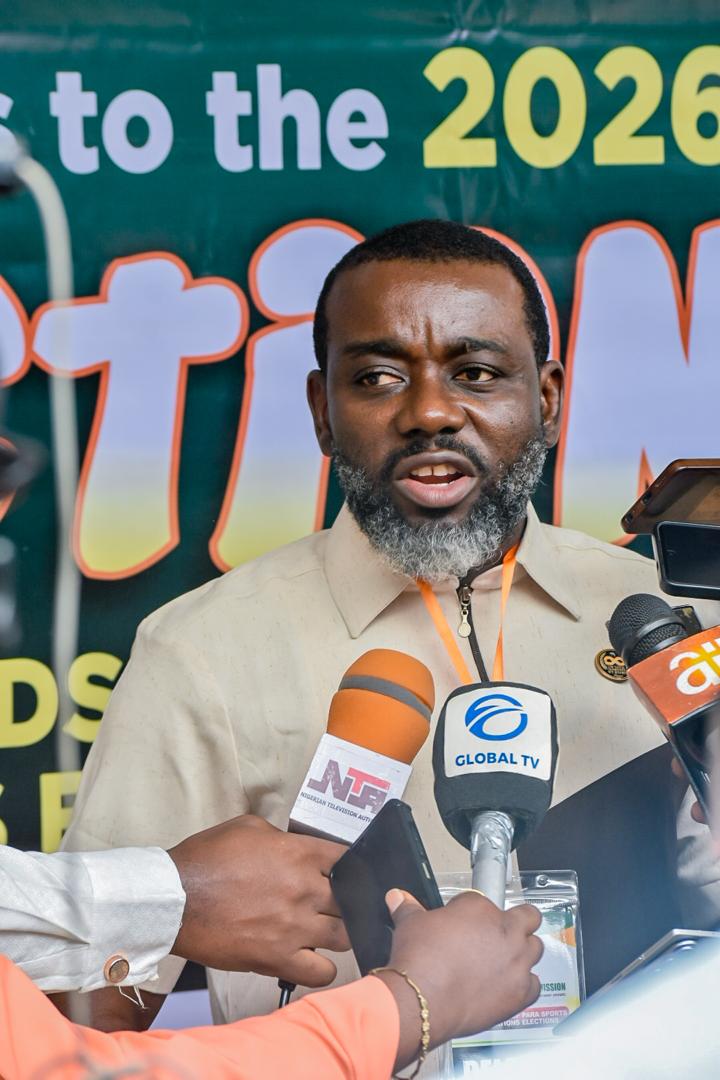
Following his election, Awodi outlined an ambitious roadmap centred on inclusion, accountability, innovation, athlete welfare, and grassroots development.
He expressed appreciation to the leadership of the National Sports Commission, particularly Chairman Mallam Shehu Dikko and Director General Hon. Bukola Olopade, for creating an enabling environment for sports administration.
“Para powerlifting has given Nigeria so much glory on the world stage, and it is time we build a system that sustains that success. We will bring innovation to the federation and move beyond the old ways of doing things.”
One of his immediate priorities is addressing the gradual aging of Nigeria’s current generation of medal-winning para powerlifters.
Recognising the need for succession planning, Awodi has pledged to establish more grassroots competitions, regional training centres, and structured athlete development pathways capable of producing future Paralympic champions.
“We are going to encourage young and upcoming athletes so we can gradually replace the aging athletes with fresh talent,” he explained.
“We will create more grassroots programmes, training centres, and competitions that will give young lifters a clear pathway to the national team.”
Beyond athlete development, Awodi’s background in business presents significant opportunities for the federation.
His experience in attracting investment, executing large-scale projects, and building strategic partnerships could help diversify funding beyond government allocations.
Many stakeholders believe this private-sector mindset could transform the federation’s financial sustainability while improving athlete welfare, coaching standards, sports science, equipment, and international exposure.
With Nigeria already regarded as one of Africa’s leading para-powerlifting nations, Awodi inherits a federation rich in success but equally challenged by the need to maintain global competitiveness.
His greatest task may not simply be winning more medals but building structures that ensure excellence continues long after the current generation retires.
For Kingsley James Awodi, leadership is clearly more than occupying an office. It is about building people, creating opportunities, and leaving institutions stronger than he found them.
As Nigeria prepares for another Paralympic cycle and future international competitions, many within the sporting community believe the federation has entered a new chapter—one driven by vision, compassion, innovation, and an unwavering commitment to empowering athletes.
If his journey so far is any indication, Kingsley Awodi is not merely leading Nigerian para powerlifting; he is helping redefine what purposeful sports leadership can achieve.