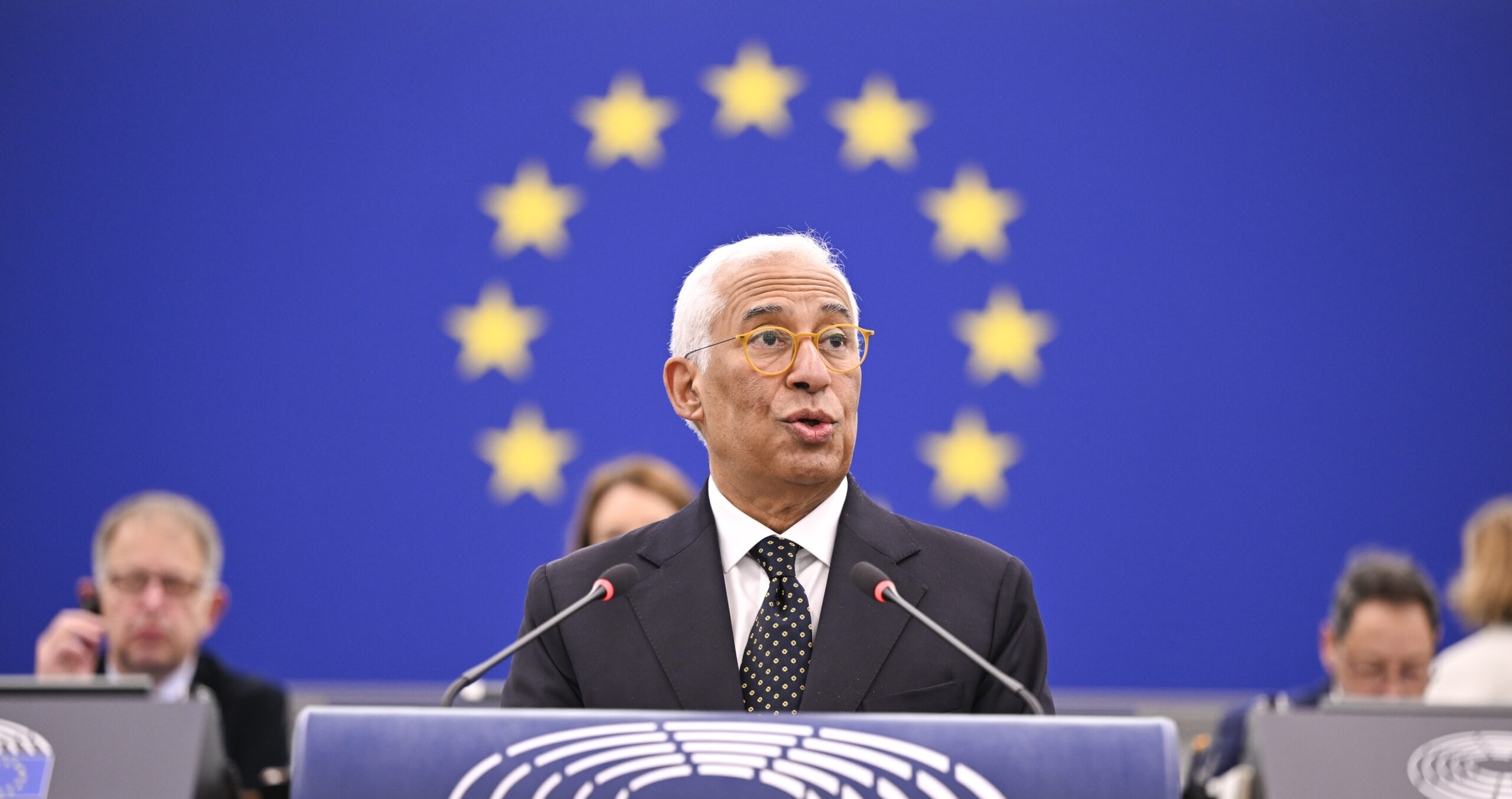
European Council President Antonio Costa has welcomed the reported agreement between the United States and Iran aimed at ending months of conflict across the Middle East, describing it as a positive step toward restoring regional stability and safeguarding global trade routes.
In a statement shared on X on Monday, Costa expressed hope that the agreement would bring an end to a conflict that has claimed thousands of lives and disrupted international energy markets.
“I look forward to an end to this costly war and to the full restoration of freedom of navigation in the Strait of Hormuz,” Costa wrote.
He also indicated that the European Union stands ready to support diplomatic efforts and contribute to initiatives designed to secure a sustainable and lasting peace in the region.
The development follows announcements from Washington and Islamabad that the United States and Iran had reached an agreement to halt military operations across multiple fronts, including Lebanon, and move toward reopening the strategic Strait of Hormuz.
The waterway remains one of the world’s most important energy corridors, serving as a major transit route for global oil and natural gas exports. Any disruption to shipping activities in the strait has significant implications for international energy prices and global economic stability.
According to statements released by both governments, the agreement is expected to be formally signed in Switzerland on Friday.
US President Donald Trump confirmed the development in a post on his Truth Social platform on Sunday, declaring that the deal with Iran had been completed.
“The Deal with the Islamic Republic of Iran is now complete,” Trump wrote.
He further announced plans for the reopening of the Strait of Hormuz and the removal of the United States naval blockade imposed during the conflict.
“Congratulations to all! I hereby fully authorise the toll-free opening of the Strait of Hormuz, and, simultaneously herewith, authorise the immediate removal of the United States Naval blockade. Ships of the World, start your engines. Let the oil flow!” he stated.
Despite the optimism surrounding the announcement, several key aspects of the agreement remain unclear, particularly regarding Iran’s nuclear programme, which has long been one of the central issues in negotiations between Tehran and Western powers.
Neither side has publicly released detailed provisions of the proposed agreement, leaving questions about how longstanding disputes over uranium enrichment, inspections and nuclear development will be addressed.
The conflict, which escalated in recent months, triggered widespread concern among world leaders due to its impact on regional security, international shipping routes and global energy supplies.
Analysts say a successful implementation of the agreement could ease tensions across the Middle East, stabilise oil markets and reduce the risk of further military confrontation.
The European Union has consistently advocated dialogue and diplomacy as the preferred path to resolving disputes in the region and is expected to play a supporting role in any future peace and reconstruction efforts.
As attention turns to the planned signing ceremony in Switzerland, governments and financial markets around the world will be closely monitoring developments and awaiting further details of the agreement.