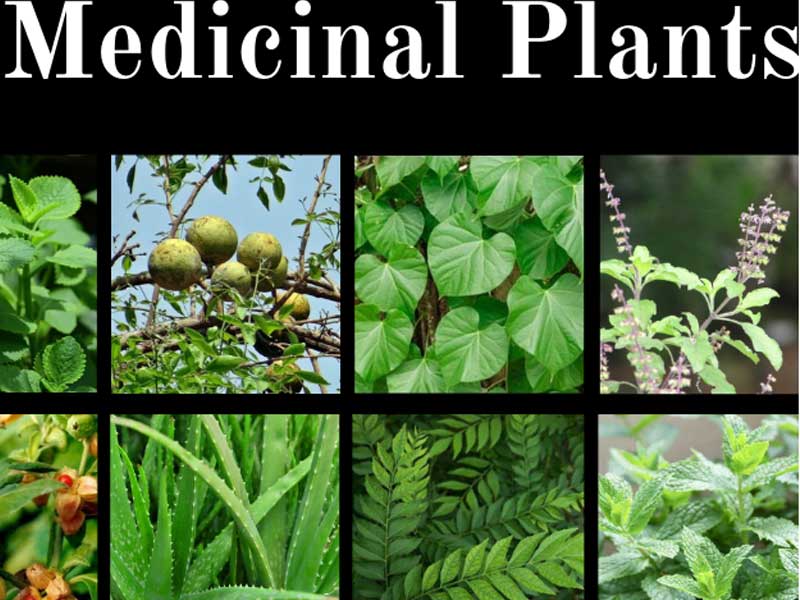
In a world grappling with rising chronic illness, Professor Benjamin Amodu is pioneering a botanical revolution from Abuja. By blending ancient African wisdom with rigorous scientific validation, his globally recognised herbal formulations are challenging conventional medicine and offering new hope for treating everything from malaria to terminal cancers, writes GEORGE EMINE, Editor (Weekend).
In the bustling heart of Abuja, within a laboratory lined with the botanical bounty of the African continent, Professor Benjamin Amodu is orchestrating a quiet revolution. As a foremost advocate for phytomedicine in Nigeria, Amodu, a Professor of Phytomedicine from Triune Biblical University, USA, and a 1980 industrial pharmacy graduate from the prestigious Ahmadu Bello University, Zaria, is no longer just a local healer – he is the face of a global shift toward Traditional, Complementary, and Alternative Medicine, TCAM.
Recent revelations from his clinic suggest that the world is finally catching up to what Amodu has championed for four decades: the earth holds the cure for humanitys most stubborn ailments.
A Global Reach
The reach of Amodus herbal formulations is staggering. Far from being confined to local markets, his products have found their way into medicine cabinets across six continents. Our medications are well accepted, both at home here in Nigeria and abroad, he explains. We regularly dispatch our treatments via DHL to Ghana, Egypt, and South Africa, but also further afield to Saudi Arabia, Iraq, the United Kingdom, the USA, France, Australia, and the Netherlands, and we have encountered no issues with international acceptance because the results speak for themselves. This global demand is underpinned by a rigorous academic foundation. With scores of peer-reviewed papers published in reputable health journals, Amodus work bridges the gap between ancient ethnomedicinal wisdom and modern scientific validation.
The Rising Tide of Chronic Disease
While the Professor celebrates global success, he issues a stark warning regarding a burgeoning health crisis within Nigeria. Liver cancer and Chronic Kidney Disease, CKD, are reaching what he describes as “alarming” levels.
“In the last week alone, I have seen over seven patients for liver cancer,” Amodu reveals. To put that in perspective, I previously might have treated only one case in an entire year, but it is becoming an everyday affair.
He urges the Federal Ministry of Health and the Nigeria Centre for Disease Control, NCDC, to investigate this spike, noting that most of his patients only seek alternative therapy after conventional hospital treatments have failed to yield results. He expresses a degree of frustration that, despite the Nigerian government recognising his cancer research over a decade ago, even sending him to Cuba to study their methods, official support has since cooled, even as his findings have “gone viral” internationally.
Surgery-Free Solutions for the Heart
Perhaps most provocative is Amodus stance on cardiovascular health. While modern medicine often dictates invasive open-heart surgery to correct an enlarged heart, Amodu says his herbal interventions can reverse the condition naturally.
“Synthetic medicines for High Blood Pressure often come with debilitating side effects, such as erectile dysfunction and generalised fatigue. At Halamin Herbals, our products aim to clear the impurities in the veins and capillaries that cause heart enlargement. We can reverse the condition without the need for a 70-year-old patient to go under the knife, which is a high-risk procedure, he notes.
The Science of Validation: SAABFAT6 and SAABMAL
The Professor’s claims are backed by more than just anecdotes. Two specific formulations, SAABFAT6 and SAABMAL, have undergone rigorous testing by international and local researchers. These drugs are composed of common natural elements: garlic, lemon grass, bitter leaf, sugarcane, aloe vera, and sesame.
1. The Cancer Breakthrough: Researchers at Texas Southern University in Houston investigated SAABFAT6 and found it significantly reduced the growth of colorectal and lung cancer cells. In a study presented to over 18,000 American scientists, the formulation was found to be 89% effective in regulating certain cancer growths. This led American researchers to refer to the food-based material as a chemotherapeutic agent – a rare accolade for a herbal supplement.
2. The Malaria Remedy: Back home, the National Institute for Pharmaceutical Research and Development, NIPRD, collaborated with Amodu to test SAABMAL. In a study published in the Indian Journal of Medical Research, the formulation showed a 95.8% reduction in parasitaemia in curative tests, outperforming or matching standard drugs like chloroquine in certain models.
Statistical Reality of the Crisis
The urgency of Amodus work is highlighted by the grim statistics of the developing world:
Malaria: Accounts for 12% of all deaths in Nigeria. In Africa, it remains a top killer, responsible for roughly 388 deaths per 100,000 people.
Respiratory Cancers: Globally, these account for 4 million deaths annually. Researchers project an 81% to 100% increase in these cancers in developing nations due to rising pollution.
Cardiovascular Disease: Responsible for an average of 17.9 million deaths annually worldwide.
A Legacy Beyond the Man
Professor Amodu is acutely aware that for his work to truly change the world, it must outlive him. Unlike traditional healers who often keep their “secret recipes” within the family, Amodu has institutionalised his findings.
“This is not something handed down by my parents; it is the result of documented research. I have a dedicated team working with me to ensure this knowledge is preserved and the project continues, he asserts.
As Nigeria looks to diversify its economy and reduce its reliance on medical tourism abroad, Amodus work offers a compelling alternative: Let us look inward for solutions so we can begin to attract medical tourism to Nigeria.
If the laboratory in Abuja is any indication, then the world is already knocking on Nigerias door for the cures of tomorrow.