…Rising Fatalities Despite Fewer Cases Spur National Alarm
…Four states account for bulk of confirmed cases in 2025
…Young adults aged 2130 remain most affected group
Fewer Lassa fever cases, but more deaths: rising fatality rates, fragile preparedness and late presentation signal a deepening national health emergency as Nigeria heads into its peak transmission season, DAVID MAXWELL writes.
Lassa fever, a viral haemorrhagic illness that has stalked Nigeria for more than half a century, continues to exact a heavy toll despite improved surveillance and better coordination of public health responses.
Recent figures from the Nigeria Centre for Disease Control and Prevention, NCDC, reveal a grim paradox: confirmed case numbers declined in 2025, yet more Nigerians are dying from the disease. It is a pattern that underscores a persistent national emergency, one that demands renewed urgency, sustained funding and decisive action.
As of epidemiological week 51 of 2025, Nigeria had recorded 206 deaths from Lassa fever. Although the total number of confirmed infections was lower than in 2024, the case fatality rate rose to 18.4 per cent, compared with 16.4 per cent during the same period a year earlier. In just one reporting week, between December 15 and 21, 2025, 21 new cases were confirmed, down from 28 the previous week, yet five deaths were recorded, translating to a weekly fatality rate of 23.8 per cent. The figures tell a stark story: fewer cases, but proportionately more lives lost.
Cumulatively, by week 51 of 2025, the country had registered 1,119 confirmed cases, nine probable cases and 9,270 suspected cases across 21 states and 105 local government areas. The burden of disease, however, remains strikingly concentrated. Some 88 per cent of all confirmed infections originated from four states; Ondo, Bauchi, Edo and Taraba. Ondo State alone accounted for 35 per cent of cases, followed by Bauchi with 25 per cent, Edo with 16 per cent and Taraba with 12 per cent. The remaining 17 states shared just 12 per cent of cases, illustrating the persistence of entrenched hotspots.
This concentration has endured despite multiple nationwide interventions and reflects deep-rooted environmental, behavioural and health-system challenges. According to the NCDC, the rising fatality rate is closely linked to late presentation at health facilities, poor health-seeking behaviour exacerbated by treatment costs, limited awareness of early symptoms and inadequate environmental sanitation. These factors combine to delay diagnosis and commencement of treatment, sharply reducing survival chances.
The demographic pattern is equally sobering. The most affected age group remains Nigerias core working-age population – 21 to 30 years. Cases have been reported in individuals ranging from infants to nonagenarians, with a median age of 30. Men appear slightly more affected than women, with a male-to-female ratio of 1:0.8. While no healthcare worker infection was reported in week 51, dozens of health workers have been infected during the course of the year, highlighting occupational risk and the continuing need for rigorous infection prevention and control measures.
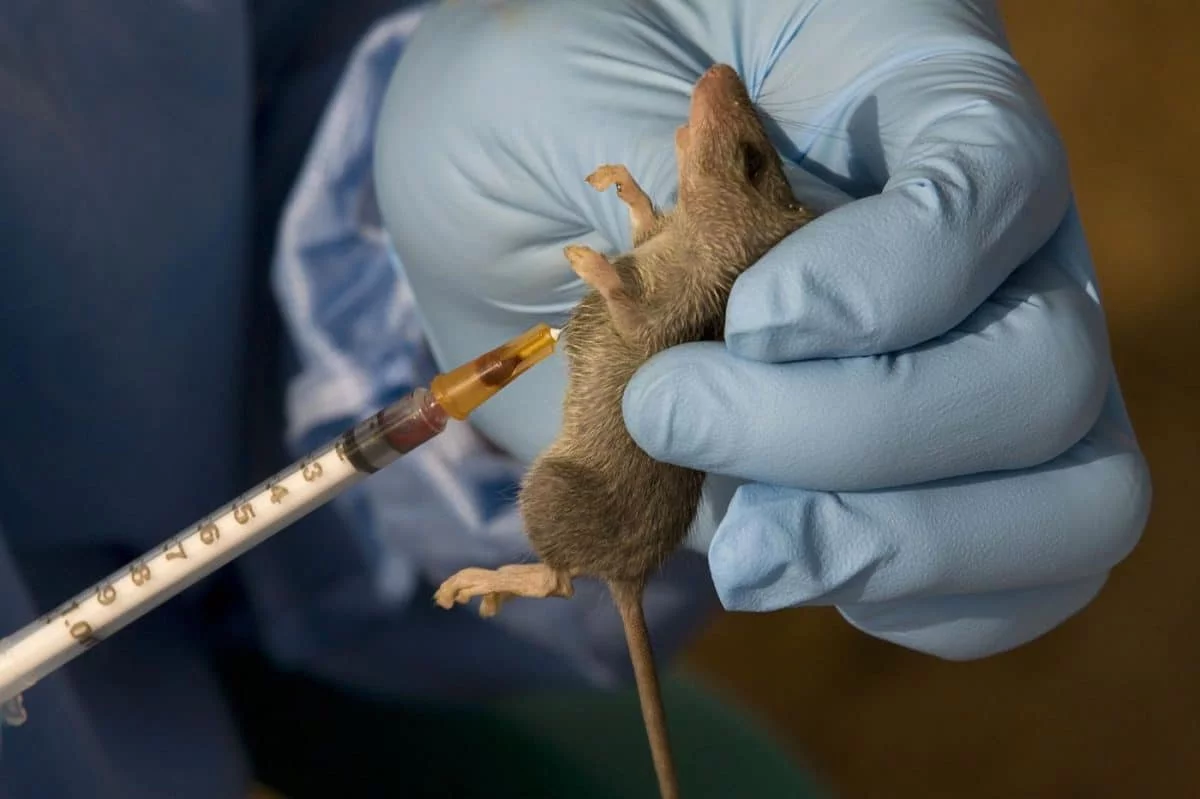
Seasonality plays a powerful role. Lassa fever is endemic in Nigeria and typically surges during the dry season, from November to March, when contact between rodents, the primary reservoirs of the virus, and human settlements increases. As food becomes scarce in the wild, the multimammate rats that harbour the virus forage closer to homes, contaminating food and surfaces with urine and faeces. Transmission occurs through direct contact with these excreta, through contaminated food or household materials, and in some cases through person-to-person spread, particularly in health facilities without adequate protective measures.
For frontline workers, the crisis is not abstract. In Ondo State, nurse Kike Adebayo carefully counts gloves, masks and disinfectants in her small isolation ward as the harmattan wind settles over rural communities. It is that time of the year again, when every fever could be Lassa, she reflects. The memory of the previous season is still raw: a pregnant woman who did not survive, a colleague who fell ill, and the dread that grips the ward each time a patients temperature refuses to fall.
Beyond its health impacts, Lassa fever imposes wider social and economic costs. Outbreak management stretches already fragile health systems through the need for isolation facilities, diagnostics, medication and personal protective equipment. Agriculture suffers disruptions to food chains, local trade slows where restrictions are imposed, and schools and workplaces in high-burden communities experience interruptions. These pressures are compounded by limited funding, infrastructure gaps and uneven political commitment across states.
Yet, there has been tangible progress. The NCDC continues to coordinate a national, multi-partner and multi-sectoral technical working group that oversees surveillance, laboratory support and clinical guidance. It has activated a Lassa Fever Emergency Operations Centre to improve coordination and deployed rapid response teams to affected states under a One Health framework that recognises the intersection of human, animal and environmental health. Training of healthcare workers, intensified risk communication, distribution of Ribavirin, personal protective equipment and thermometers, and environmental sanitation campaigns in high-burden communities are all under way. Clinical research, such as the INTEGRATE trial in Ondo State, is also contributing to improved case management.
Nevertheless, the persistence of avoidable deaths reveals the limits of response efforts that rely too heavily on messaging without addressing structural barriers. Many residents of rural communities mistake early symptoms – fever, weakness and headache – for malaria or typhoid and resort first to self-medication, losing precious treatment time. In the absence of a licensed vaccine, prevention, early detection and timely treatment remain the main lines of defence. Where health facilities are sparse or poorly equipped, these defences are dangerously thin.
Health experts warn that Nigerias preparedness remains fragile. Shortages of test kits in some states delay confirmation of cases, forcing clinicians to rely on presumptive treatment. The unveiling of a comprehensive National Lassa Fever Strategic Plan, originally scheduled for late 2024, has reportedly lagged, leaving some states working in the dark without updated guidance. These gaps reinforce a pattern of reactionary response every dry season, rather than the sustained readiness that endemic diseases require.
At community level, however, resilience and innovation are evident. In Ondo State, community health volunteer Ramat Babalola visits markets and schools in the evenings to share prevention tips. People know about Lassa fever, but many do not take it seriously until someone close falls sick, she says. Radio messages and local storytelling are used to encourage safer food storage, improved sanitation and prompt presentation to health facilities.
Experts agree that Lassa fever is not merely a health problem but a development challenge. Poor housing, inadequate sanitation, lack of rodent-proof food storage and climate change – which alters rodent habitats and food patterns – all combine to intensify risk. They argue that Nigerias ability to bend the curve will depend on consistent investment in diagnostics, strengthened laboratories in high-burden states, reliable logistics for medicines and supplies, and continuous grassroots education. Integrating Lassa fever preparedness into broader One Health strategies that cover agriculture, the environment and food security is increasingly seen as essential.
Ultimately, Lassa fever may be endemic, but high mortality is not inevitable. Nigeria’s recent experience demonstrates that early detection and treatment significantly improve outcomes. As the dry season, the historic peak transmission window advances, complacency would be costly. The rising fatality rate is not merely a statistic; it is a warning signal. Without decisive investment, practical community education and robust rapid-response capacity, a controllable disease will continue to claim lives it should not.
For health workers such as Adebayo in Ondo, every patient is a reminder that the clock is always ticking. If we had enough kits, enough gloves and enough awareness, many would never end up in this ward, she says quietly. Until preparedness becomes permanent rather than seasonal, each year will continue to test the resilience of Nigeria’s health system, and the resolve of its people.