
By Paul Effiong, Abuja
Federal government has once again restated its commitment to strengthen local production, even as it described creativity and enterprises as the foundation of the nation’s economic future.
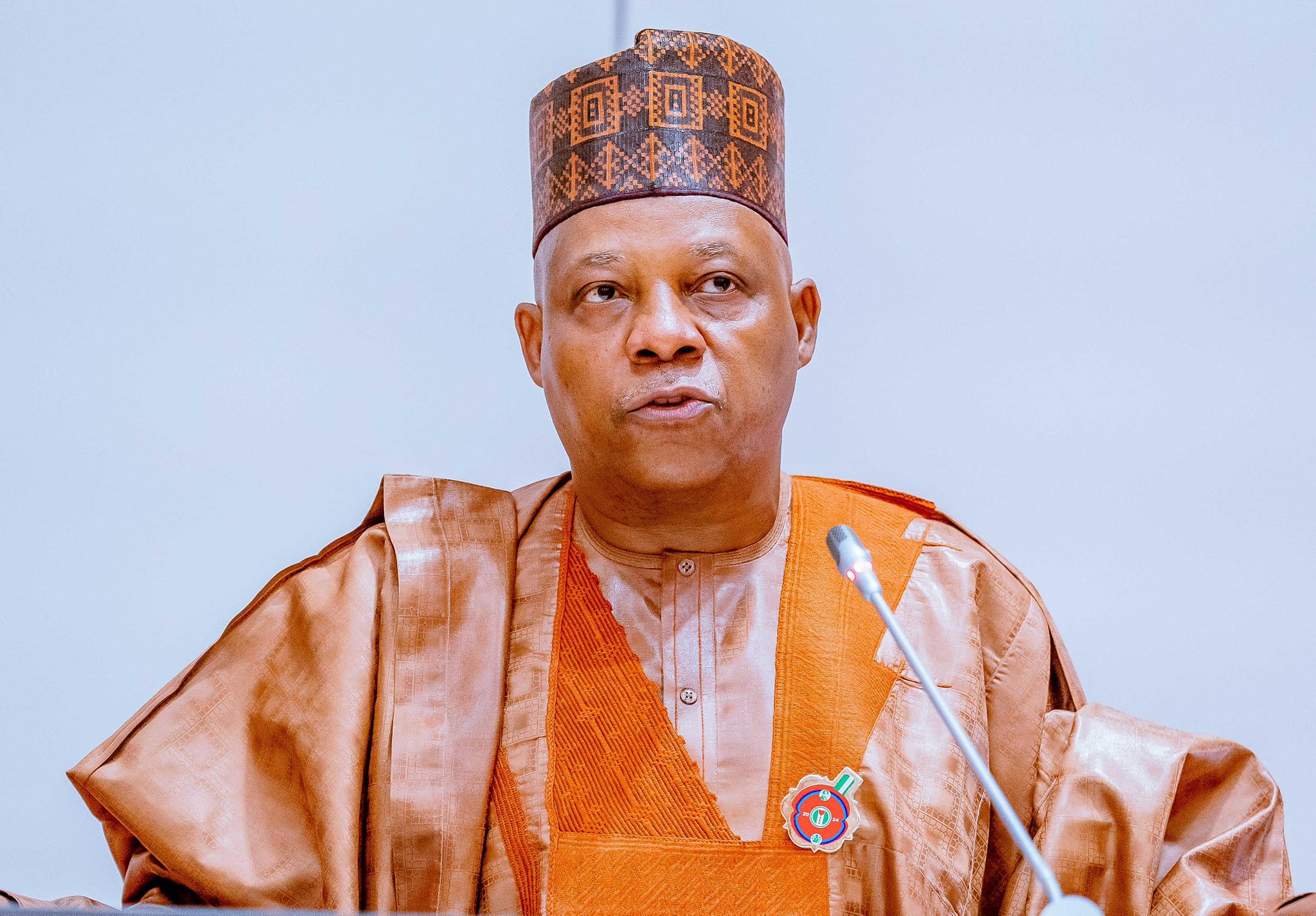
Vice President Kashim Shettima stated this yesterday while declearing open, the Made-in-Naija Trade Exhibition held at the National Assembly Complex, Abuja.
The vice president was represented by the Special Adviser on Special Duties, Dr Aliyu Modibbo Umar.
The event was organised by the House of Representatives Committee on Commerce for the purpose of reshaping the future of commerce in Nigeria.
Shettima emphasized that Nigerian excellence is already evident across sectors, technology, textiles, architecture, agro-processing and entertainment yet the nation will not progress unless citizens consciously patronise homegrown products.
He equally described every purchase of a Nigerian made item as “an investment in a factory worker, an entrepreneur and a young graduate building a future.”
The vice president also inforned the federal government is working to create an enabling environment where local industries can thrive.
According to him, ongoing interventions include the development of special economic zones, expanded financing opportunities for MSMEs, port reforms and standards certification that aligns with global benchmarks.
“Our administration is committed to providing the infrastructure, stable policies, and essential finance needed for our industries to scale up,”
In his address, the Speaker of the House of Representatives, Tajudeen Abbas also reaffirmed the National Assembly’s support for policies that promote local production and reduce dependence on imports.
He said Nigeria must reposition its goods to compete under the African Continental Free Trade Area, AfCFTA, describing the exhibition’s theme “Reshaping the Future of Commerce” as perfectly aligning with national priorities.
The speaker also highlighted the Nigeria First Policy, which mandates government agencies to prioritise locally made goods in public procurement.
He said strict adherence to the policy will drive industrial growth, create jobs and strengthen the national economy.
He emphasized: “Each time we choose Nigerian-made goods, we reinforce our identity and strengthen our economy,”
In his address, the Chairman of the House Committee on Commerce, Ahmed Munir informed that Nigeria is on the verge of an industrial rebirth driven by innovation and legislative backing.
He equally projected that an increased focus on local content could generate over five million jobs by 2030 and save the country up to $20 billion annually in foreign exchange through reduced importation.
He, however, stressed that domestic manufacturing must become the engine of national prosperity.
Munir maintained that the National Assembly is advancing legislative reforms to boost competitiveness, including work on the domestication of AfCFTA and the establishment of a National Weights and Measures Centre.
He said the House remains committed to building a strong economic foundation “brick by Nigerian-made brick,” with the goal of positioning local products for global success.