By Joel Ajayi
Presidential aspirant and current board member representing sponsors and philanthropists on the Nigeria Tennis Federation (NTF), Rt. Hon. Victor Ochei, has expressed strong optimism that Nigeria can compete in major international Grand Slam tournaments if the right structures, funding, and athlete development programs are properly implemented.
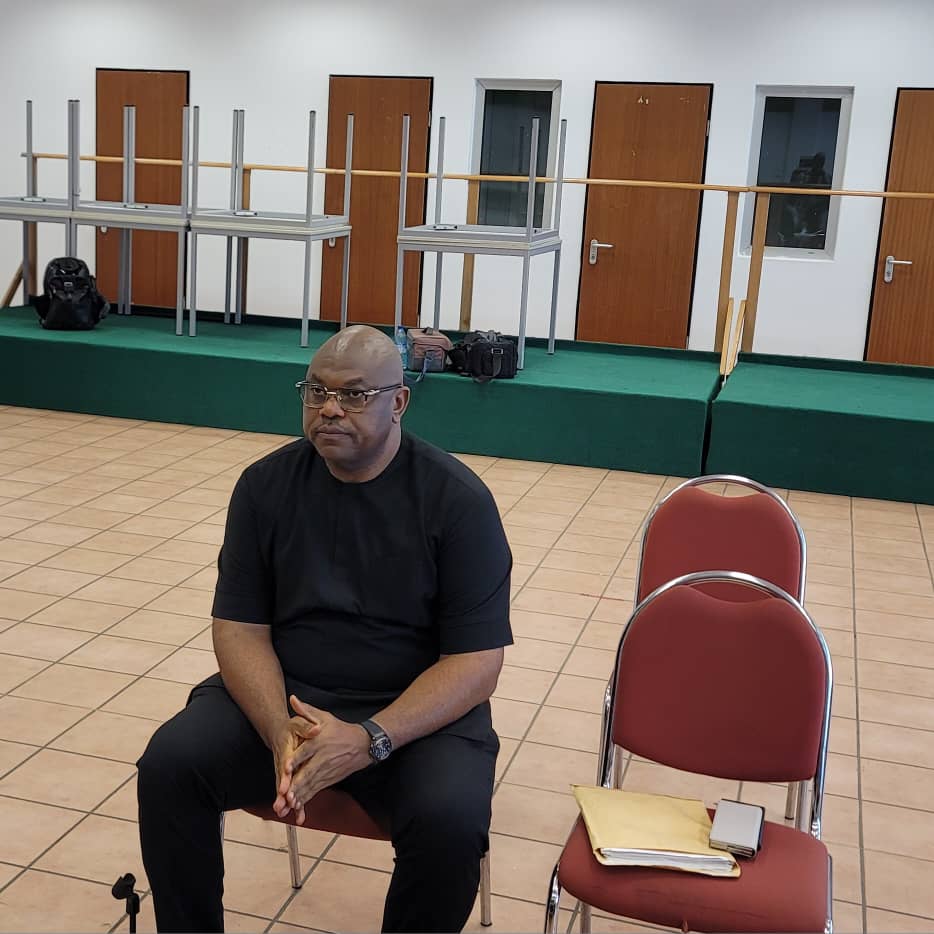
Ochei made this known on Thursday while presenting his manifesto before the Electoral Committee of the National Sports Commission (NSC) ahead of the forthcoming federation elections.
He noted that Nigeria has the raw talent and potential to excel globally but stressed the importance of consistent training, international exposure, and targeted investment in ranking tournaments to make Grand Slam participation achievable.
“Nigeria has what it takes to play at the Grand Slam level. All we need are strong structures, quality training, and a strategic development plan that gives our athletes the exposure they need to compete with the best,” Ochei said.
According to him, his passion for sports development stems from years of involvement in empowering athletes, particularly persons with disabilities, through initiatives such as wheelchair basketball — a program that has produced numerous success stories.
“Sports have always been a tool for transformation, inclusion, and national pride. My leadership will focus on rebuilding structures, creating pathways for young talents, and providing equal opportunities for every athlete,” he added.
Ochei pledged that if elected as president, he would revive grassroots tennis, upgrade facilities nationwide, and build a sustainable ecosystem that supports players, coaches, and officials at all levels.
“My vision is to bring tennis back into national focus — to make it as exciting and unifying as football. I bring experience, exposure, and global connections that will help reposition Nigerian tennis. Sports should not only be about competition but also about entertainment — we must make tennis entertaining again,” he stated.
Highlighting the struggles of athletes, Ochei emphasized the need to make tennis a viable and rewarding career for Nigerian players.
“Too often, our athletes give their best years to the sport and end up struggling after retirement. That must change. My goal is to build a structure that supports them both during and after their careers,” he said.
Reflecting on Nigeria’s golden era in tennis, Ochei recalled a time when the country was a vibrant force on the global stage, producing stars like Nduka Odizor, who once ranked World No. 84.
“In the 1980s, Lagos was a hub for international tournaments. Players from across the world came to compete here. I still remember watching David Imonitie and Sadiq Abdullahi play at the Ikoyi Club — the energy was electric. Sadly, that passion has faded over the years,” he lamented.
Ochei noted that while tennis is often viewed as an elite sport, it holds deeper opportunities for youth development, discipline, and national pride.
“When you look at the ATP and WTA rankings today, very few Africans — and hardly any Nigerians — are represented. That has to change. With the right leadership and sustained commitment, we can restore Nigeria’s place among the world’s best,” he affirmed.
Concluding, Ochei expressed confidence that with strategic development, inclusivity, and passion, Nigerian tennis can be revived to produce world-class players capable of competing on the biggest stages of the sport.
“The future of Nigerian tennis lies in structure, strategy, and commitment. My mission is to make Nigeria a formidable force in global tennis, empower our athletes, and use sports as a platform to change lives,” he declared.