

By Yahaya Umar
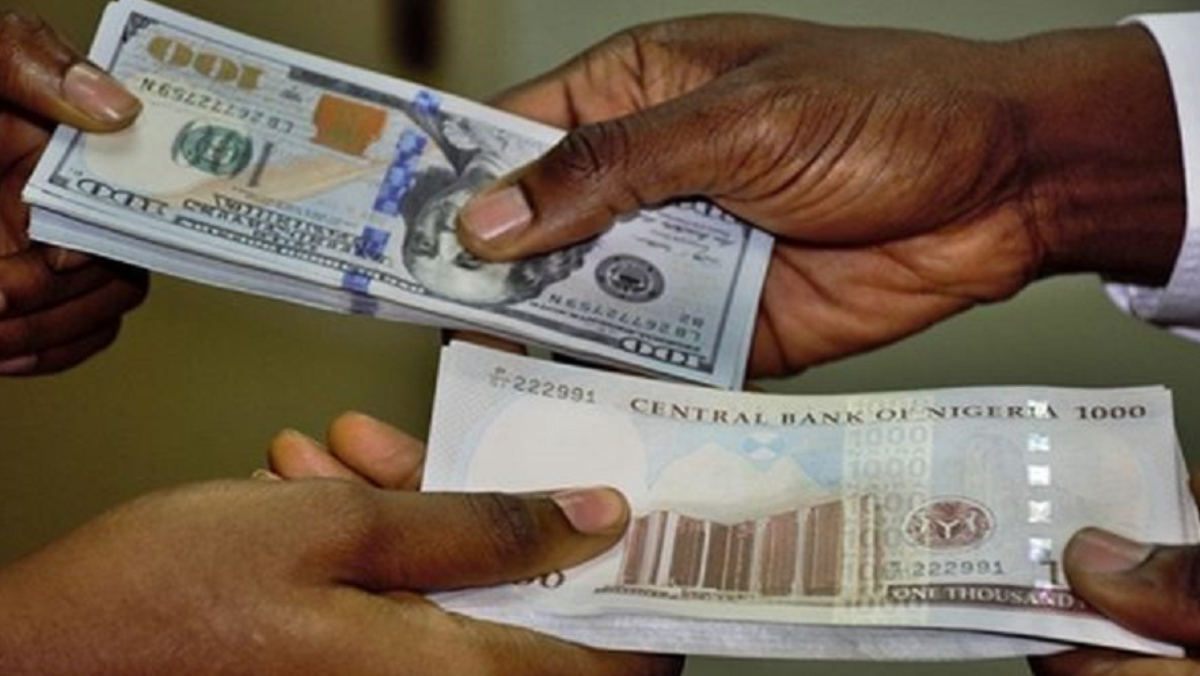
Licensed currency traders say International Money Transfer Operators ,IMTOs, are no longer diverting forex proceeds, especially diaspora remittances, outside the official system.
They attribute this to the elimination of profit margins that previously made such diversions attractive.
This shift, they argue, is one of the reasons behind the recent appreciation of the naira and relative stability in the foreign exchange market.
They also point to stronger oil inflows, rising diaspora remittances, renewed foreign investor confidence, and tighter CBN oversight as additional stabilizing factors.
IMTOs are companies approved by the Central Bank of Nigeria ,CBN, to facilitate transfers from Nigerians abroad to beneficiaries at home.
For years, Bureau de Change ,BDC, operators accused some IMTOs of diverting remittances through unofficial channels, often via fintechs and unlicensed online firms willing to pay higher rates.
Former acting CBN Governor Folashodun Shonubi also linked naira weakness to the diversion of remittances away from official markets.
At the time, it was estimated that only a fraction of inflows reached the CBN’s reserves. For instance, Taiwo Oyedele, chairman of the Presidential Committee on Fiscal Policy and Tax Reforms, disclosed that just 10% of the $20 billion remitted in 2023 entered Nigeria’s forex market.
The World Bank reported Nigeria received about $21 billion in diaspora remittances in 2023 through official channels nearly four times the country’s foreign direct investment for the year. World Bank data is thought to includes items other than cash.
However, comments from central bank officials indicate forex inflows international money transfer operators now average $600 million monthly. They have targeted $1 billion monthly from 2026.
According to traders, those arbitrage opportunities have largely disappeared. The spread between the official and parallel markets, once as wide as N50–N100, has narrowed sharply. In some cases, the parallel market has even traded below the official rate.
This shift has reduced speculative activity and hoarding, while also removing the incentive for IMTOs to divert remittances.
“Gone are the days when you see a margin of N50 or N100 between the official and unofficial market”, said Aminu Gwadebe, President of the Association of Bureau De Change Operators of Nigeria ,ABCON.
“Sometimes you even see the parallel market lower than the official market. So a lot of speculative and hoarding activities have really reduced because there is no profit to be made”.
Gwadebe said, that the willing-buyer, willing-seller model has made the market more transparent.
“They don’t divert anymore because there is no margin. The reason why they did before was that the other market paid more. Now that advantage is gone. It has really helped us a lot. People can even plan for their children’s school fees”.
Not all traders are convinced the problem is solved. Abu Ardo, another BDC operator, argued that some IMTOs still quietly divert part of their inflows.
“To be honest, some of these IMTOs still divert forex”, he said. “Instead of bringing all their dollars into the official market as expected, they find ways to channel part of it through parallel routes where the rates are higher”.
Still, Ardo acknowledged that broader supply dynamics have supported the naira in recent months.
“The naira has been performing well mainly because the CBN is more active, oil companies are selling more dollars, and government inflows have supported liquidity.
At the same time, speculators have been more cautious since the CBN started cracking down on hoarding. That combination has given the naira breathing space”. He cautioned, however, that stability is fragile.
“If oil revenue and diaspora inflows keep coming in, and if the government maintains discipline in supply management, the naira will remain stable.