Mariam Sanni
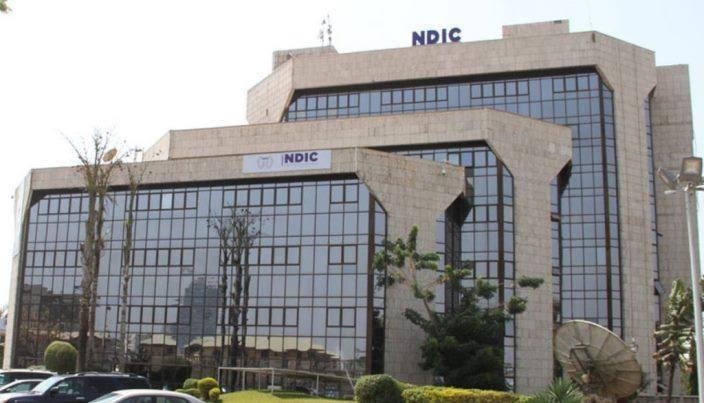
The Nigerian Deposit Insurance Commission, NDIC has assured commitment to policies and partnerships that leverage on technology to protect depositors, strengthen the confidence of the financial system for the good of the nation.
This was made known by the Head of communications, Public Affairs, NDIC Hawwau Gambo during her goodwill message at a Colloquium on AI Policy in Nigeria: “Navigating Opportunities and Challenges For National Development”, held in Abuja.
She explained that there is need to ensure that all those creative technological minds that are innovating products and services using AI are not stifled by the policy.
She stressed that whatever regulation or whatever policies are being brought out does not stifle the innovation that is happening.
“We have to find a way to make sure that whatever regulation or whatever policies are being brought out does not stifle the innovation that is happening. So as we reflect on how Nigeria can harness AI responsibly, we have to ensure that no one is left behind in its transformation. We have to ensure that all those creative technological minds that are innovating products and services using AI are not stifled by the policy.
“But on the other side of it, we have to bring up guidelines and regulations that also protect the end users of those technologies. So in that light, I think I’ve left some food for thought, but I also want to end by saying that NDIC commends the organizers of this colloquium for this very timely initiative.
“And NDIC ensures our commitment to policies and partnerships that leverage on technology to protect depositors, strengthen the confidence of our financial system for the good of the nation,” she said.
Special Adviser to the President on policy and coordination, Hadiza Usman during her goodwill message outlined the need for leadership, vision, investment, and partnerships to achieve Nigeria’s AI goals.
She called for collaboration with local and international partners, including public and academic sectors, for successful AI implementation.
Usman who was represented by the head of the Central results delivery and coordination unit, Dr Khalifa Nuhu emphasised the importance of contextualizing AI policies to address Nigeria’s specific problems and challenges.
According to her, open-mindedness and acknowledgment of concerns are crucial for effective AI policy development and implementation.
She highlighted Africa’s participation in the AI space with Nigeria making significant strides, as evidenced by its inclusion in Times Magazine’s list of top AI-ready countries.
She reiterated that Nigeria aims to be among the top 50 AI-ready countries globally, noting its commitment to becoming a global leader in AI.
The Chief Executive Officer, Saban Media Services, Leah Katung-Babatunde in her welcome remark explained that the colloquium on AI policy in Nigeria aims to bridge communication gaps and highlight the relevance of their mission.
Babatunde who also doubles as the host of the event, noted that the Artificial intelligence is presented as a transformative technology with immense potential in healthcare, agriculture, and public services.
She stressed the need to address both the opportunities and challenges posed by AI.
According to her, the discussion aims to establish ethical frameworks and ensure inclusive and equitable AI.
She said that the conversation aims to lay the groundwork for a robust and forward-thinking AI policy that fosters innovation while safeguarding values and people.
“Our colloquium today, ‘AI Policy in Nigeria: Navigating the Opportunities and Challenges for National Development’, is a testament to the relevance of our mission.
“Artificial intelligence is not a distant concept; it is here, and its potential to transform our society is immense. From revolutionising healthcare and agriculture to enhancing our economy and public services, AI offers a new frontier of possibilities.
“However, with great power comes great responsibility. As we embrace the opportunities of AI, we must also proactively address the challenges,” she said.