By Dickson Pat, Abuja
In a bid to fast-track economic growth and unlock private sector investment, the Federal Government has announced sweeping reforms to the implementation of the 2025 capital budget.
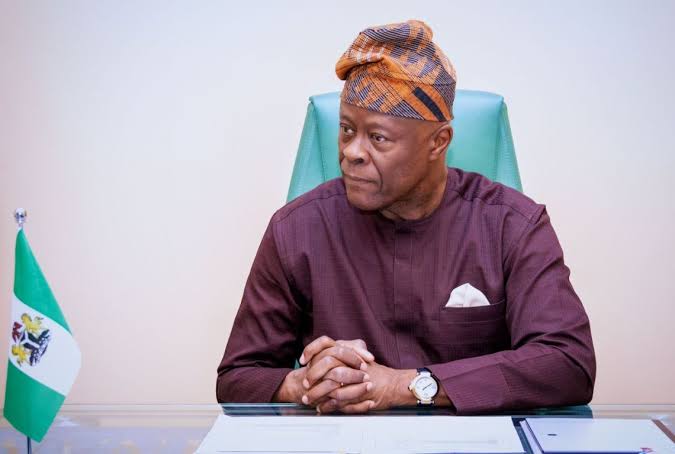
The Minister of Finance and Coordinating Minister of the Economy, Mr. Wale Edun, disclosed the new measures in Abuja during a high-level meeting with senior government officials.
The reforms include integrating unspent 2024 capital funds into the 2025 budget via the Government Integrated Financial Management Information System, GIFMIS, and enforcing stricter rules that require Ministries, Departments, and Agencies, MDAs, to obtain warrants before entering into contracts.
Under the new framework, capital spending will be aligned with available cash flow and subject to strict financial regulations, a move the government says will ensure every naira is deployed for productive investments.
Edun stressed that transparent and efficient budget execution is central to President Bola Ahmed Tinubu’s economic growth agenda, which targets a GDP expansion of at least 7% to lift millions of Nigerians out of poverty.
“Nigeria’s future growth depends on effective, honest, and targeted spending. We must ensure that public resources work harder for our people and our economy”, Edun said.
The Minister explained that the reforms are designed to strengthen fiscal discipline, improve payment cycles, and build stronger infrastructure pipelines, factors critical to attracting local and foreign investments.
He added that for the private sector, the changes signal “a more predictable fiscal environment, improved payment cycles, and stronger infrastructure pipelines, essential foundations for investment and job creation”.
By refining the capital budget process, the government aims to sustain investor confidence and deliver projects that directly impact economic productivity.
The changes will also curb the long-standing problem of abandoned projects and delayed contractor payments, thereby boosting economic activity in key sectors.
With these measures, Nigeria is “poised to unlock its economic potential and drive sustainable growth”, Edun declared, signalling the Tinubu administration’s commitment to fiscal transparency and targeted investment in development.